
Contents
- 🌊 Introduction to Oceanography
- 🌴 The Multidisciplinary Nature of Oceanography
- 🌊 Physical Oceanography: Understanding the Ocean's Dynamics
- 🧬 Biological Oceanography: Exploring Marine Life
- 🌿 Chemical Oceanography: The Ocean's Geochemical Cycles
- 🌎 Geological Oceanography: Studying the Ocean Floor
- 🚣♀️ Oceanographic Research Methods and Technologies
- 🌊 The Importance of Oceanography in Understanding Climate Change
- 🌴 Ocean Conservation and Management: A Global Challenge
- 🌊 The Future of Oceanography: Emerging Trends and Technologies
- 🌎 International Cooperation in Oceanography: Achieving Common Goals
- 📊 Oceanography's Impact on the Global Economy and Society
- Frequently Asked Questions
- Related Topics
Overview
Oceanography, the study of the Earth's oceans, is a complex and multidisciplinary field that encompasses the physical, chemical, and biological properties of the ocean. With a vibe score of 8, oceanography has been gaining significant attention in recent years due to its critical role in understanding climate change, marine ecosystems, and the impact of human activities on the ocean. The field has a rich history, dating back to the early 20th century, with pioneers like Matthew Fontaine Maury and Henry Moseley contributing to its development. Today, oceanography is a highly debated topic, with controversy surrounding issues like overfishing, pollution, and offshore drilling. As we move forward, it's essential to consider the perspectives of optimists, who see the ocean as a vast, untapped resource, and pessimists, who warn of the devastating consequences of neglecting ocean health. With a controversy spectrum of 6, oceanography is an area of ongoing research and discussion, with key entities like the National Oceanic and Atmospheric Administration (NOAA) and the Intergovernmental Oceanographic Commission (IOC) playing a crucial role in shaping our understanding of the ocean.
🌊 Introduction to Oceanography
Oceanography, also known as oceanology, is the scientific study of the ocean, including its physics, chemistry, biology, and geology. The field of oceanography is vast and multidisciplinary, encompassing various branches of science to understand the complex interactions within the ocean. According to the National Oceanic and Atmospheric Administration (NOAA), oceanography plays a crucial role in understanding the Earth's climate system, weather patterns, and the impact of human activities on the marine environment. For instance, the study of ocean currents and ocean waves helps us understand the ocean's dynamics and its effects on coastal ecosystems. Furthermore, the exploration of the ocean's twilight zone and hadal zone has led to the discovery of new species and ecosystems.
🌴 The Multidisciplinary Nature of Oceanography
The multidisciplinary nature of oceanography is reflected in its various branches, including physical oceanography, biological oceanography, chemical oceanography, and geological oceanography. Each branch focuses on a specific aspect of the ocean, from the physical properties of seawater to the complex interactions between marine organisms and their environment. The study of marine ecology, for example, helps us understand the relationships between different species and their habitats, while ocean chemistry explores the ocean's geochemical cycles and their impact on the environment. Additionally, the field of ocean engineering applies engineering principles to the design and development of ocean-related technologies, such as offshore wind farms and desalination plants.
🌊 Physical Oceanography: Understanding the Ocean's Dynamics
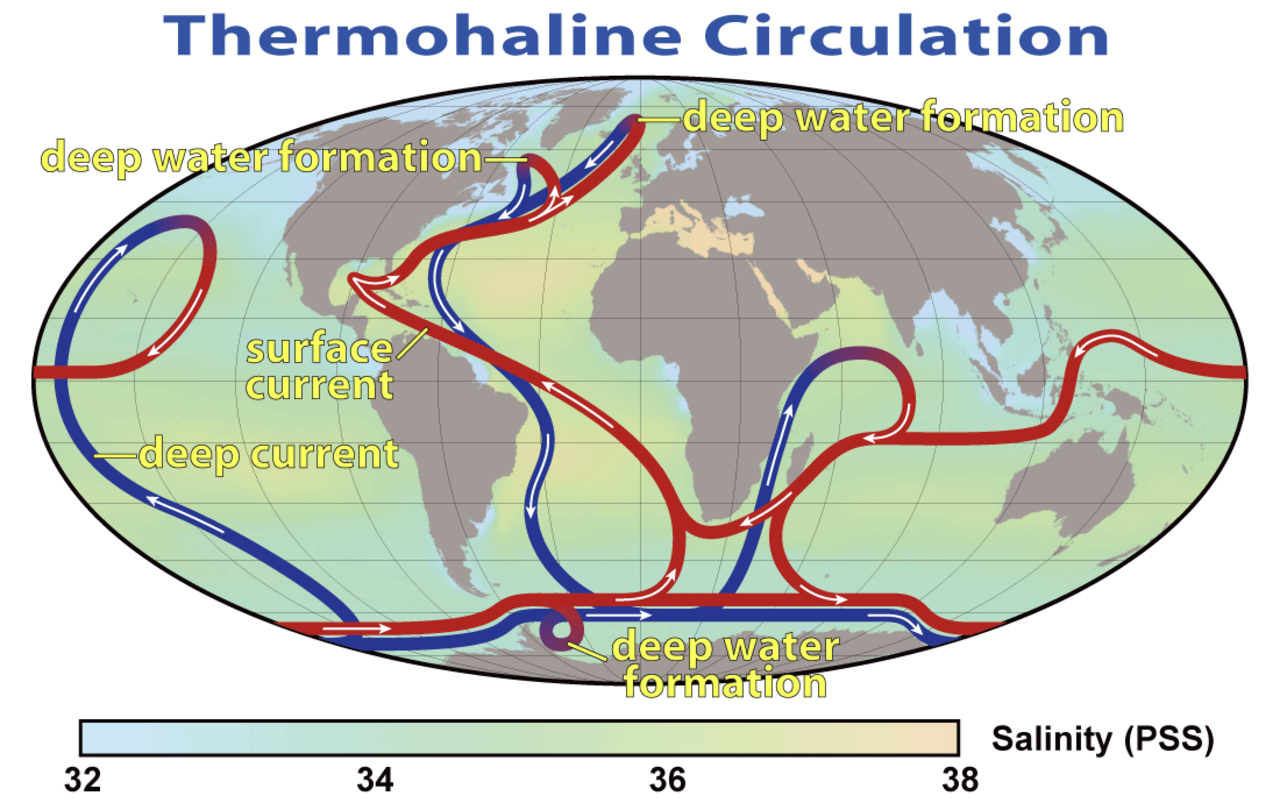
Physical oceanography is the study of the ocean's physical properties, including its temperature, salinity, and density. This branch of oceanography helps us understand the ocean's dynamics, including the movement of ocean currents and the formation of ocean waves. The study of ocean tides and ocean circulation patterns is also crucial in understanding the ocean's role in the Earth's climate system. For instance, the thermohaline circulation plays a significant role in regulating the Earth's climate, while the Coriolis force influences the formation of hurricanes and typhoons. Moreover, the exploration of the ocean's seafloor has led to the discovery of new hydrothermal vents and oceanic ridges.
🧬 Biological Oceanography: Exploring Marine Life
Biological oceanography is the study of the ocean's living organisms, from tiny phytoplankton to massive blue whales. This branch of oceanography helps us understand the complex interactions between marine organisms and their environment, including the impact of climate change on marine ecosystems. The study of marine food webs and ocean nutrient cycles is crucial in understanding the ocean's role in the Earth's ecosystem. For example, the upwelling of nutrient-rich waters supports the growth of phytoplankton, which in turn supports the entire marine food web. Additionally, the exploration of the ocean's deep sea has led to the discovery of new species and ecosystems, such as the giant tube worms that thrive in the harsh conditions surrounding hydrothermal vents.
🌿 Chemical Oceanography: The Ocean's Geochemical Cycles
Chemical oceanography is the study of the ocean's geochemical cycles, including the movement of nutrients, metals, and other chemicals through the ocean. This branch of oceanography helps us understand the ocean's role in the Earth's climate system, including the impact of ocean acidification on marine ecosystems. The study of ocean fertilization and ocean carbon sequestration is crucial in understanding the ocean's potential to mitigate the effects of climate change. For instance, the iron fertilization of the ocean can stimulate the growth of phytoplankton, which in turn absorbs carbon dioxide from the atmosphere. Furthermore, the exploration of the ocean's sediments has led to the discovery of new mineral resources and fossil fuels.
🌎 Geological Oceanography: Studying the Ocean Floor
Geological oceanography is the study of the ocean floor, including its composition, structure, and processes. This branch of oceanography helps us understand the ocean's role in the Earth's geological system, including the formation of oceanic crust and the movement of tectonic plates. The study of seafloor spreading and subduction zones is crucial in understanding the ocean's role in shaping the Earth's surface. For example, the mid-ocean ridge system is the largest mountain range on Earth, with a total length of over 65,000 kilometers. Additionally, the exploration of the ocean's hydrothermal vents has led to the discovery of new mineral deposits and geothermal energy sources.
🚣♀️ Oceanographic Research Methods and Technologies
Oceanographic research methods and technologies have evolved significantly over the years, from traditional research vessels to advanced remote operated vehicles (ROVs) and autonomous underwater vehicles (AUVs). These technologies have enabled scientists to explore the ocean in greater detail, including the deep sea and polar regions. The use of satellite imagery and ocean models has also improved our understanding of the ocean's dynamics and its role in the Earth's climate system. For instance, the Argo program has deployed over 3,000 floats to measure the ocean's temperature and salinity, providing valuable insights into the ocean's circulation patterns and ocean heat content.
🌊 The Importance of Oceanography in Understanding Climate Change
The importance of oceanography in understanding climate change cannot be overstated. The ocean plays a crucial role in regulating the Earth's climate, including the absorption of carbon dioxide and the formation of ocean currents. The study of ocean acidification and its impact on marine ecosystems is also crucial in understanding the potential consequences of climate change. For example, the coral reefs are particularly vulnerable to ocean acidification, with potentially devastating consequences for the entire marine food web. Furthermore, the exploration of the ocean's polar regions has led to the discovery of new sea ice and ice shelves, which play a critical role in regulating the Earth's climate.
🌴 Ocean Conservation and Management: A Global Challenge
Ocean conservation and management is a global challenge, requiring international cooperation and coordination. The United Nations has established several initiatives to promote ocean conservation, including the Sustainable Development Goals (SDGs) and the Ocean Conservation initiative. The study of marine protected areas and fisheries management is crucial in understanding the impact of human activities on marine ecosystems. For instance, the marine reserves have been shown to be effective in protecting biodiversity and promoting the recovery of overfished populations. Additionally, the exploration of the ocean's deep sea has led to the discovery of new mineral resources and fossil fuels, which must be managed sustainably to avoid environmental degradation.
🌊 The Future of Oceanography: Emerging Trends and Technologies
The future of oceanography is exciting and rapidly evolving, with emerging trends and technologies transforming our understanding of the ocean. The use of artificial intelligence and machine learning is improving our ability to analyze large datasets and predict ocean dynamics. The development of new ocean observation systems and ocean models is also enhancing our understanding of the ocean's role in the Earth's climate system. For example, the Integrated Ocean Observing System (IOOS) is a network of ocean observation systems that provides real-time data on ocean conditions, including ocean currents and sea level. Furthermore, the exploration of the ocean's twilight zone and hadal zone has led to the discovery of new species and ecosystems, which must be protected and conserved for future generations.
🌎 International Cooperation in Oceanography: Achieving Common Goals
International cooperation in oceanography is essential for achieving common goals and addressing global challenges. The International Oceanographic Commission (IOC) is a leading organization that promotes international cooperation in oceanography, including the development of ocean policy and the coordination of ocean research. The study of ocean governance and ocean management is crucial in understanding the complex relationships between different stakeholders and the ocean. For instance, the United Nations Convention on the Law of the Sea (UNCLOS) provides a framework for the management of the ocean's resources and the protection of the marine environment. Additionally, the exploration of the ocean's polar regions has led to the discovery of new sea ice and ice shelves, which must be managed sustainably to avoid environmental degradation.
📊 Oceanography's Impact on the Global Economy and Society
The impact of oceanography on the global economy and society is significant, with the ocean providing a wide range of ecosystem services and natural resources. The study of ocean economy and ocean policy is crucial in understanding the complex relationships between the ocean and human societies. For example, the fishing industry is a significant contributor to the global economy, with over 3 billion people relying on fish as a source of food security. Furthermore, the exploration of the ocean's deep sea has led to the discovery of new mineral resources and fossil fuels, which must be managed sustainably to avoid environmental degradation. The development of new ocean technologies and ocean infrastructure is also enhancing our ability to harness the ocean's resources and promote sustainable development.
Key Facts
- Year
- 2023
- Origin
- Ancient Greece, with contributions from philosophers like Aristotle and Eratosthenes
- Category
- Environmental Science
- Type
- Scientific Discipline
Frequently Asked Questions
What is oceanography?
Oceanography is the scientific study of the ocean, including its physics, chemistry, biology, and geology. It is a multidisciplinary field that encompasses various branches of science to understand the complex interactions within the ocean. Oceanography plays a crucial role in understanding the Earth's climate system, weather patterns, and the impact of human activities on the marine environment.
Why is oceanography important?
Oceanography is important because it helps us understand the ocean's role in the Earth's climate system, weather patterns, and the impact of human activities on the marine environment. It also provides valuable insights into the ocean's potential to mitigate the effects of climate change and promotes sustainable development. Additionally, oceanography has led to the discovery of new species, ecosystems, and natural resources, which must be managed sustainably to avoid environmental degradation.
What are the different branches of oceanography?
The different branches of oceanography include physical oceanography, biological oceanography, chemical oceanography, and geological oceanography. Each branch focuses on a specific aspect of the ocean, from the physical properties of seawater to the complex interactions between marine organisms and their environment.
How does oceanography contribute to climate change research?
Oceanography contributes to climate change research by providing valuable insights into the ocean's role in the Earth's climate system. The study of ocean acidification, ocean currents, and ocean heat content is crucial in understanding the potential consequences of climate change. Additionally, oceanography has led to the discovery of new species and ecosystems that are vulnerable to climate change, which must be protected and conserved for future generations.
What are some of the emerging trends and technologies in oceanography?
Some of the emerging trends and technologies in oceanography include the use of artificial intelligence and machine learning, the development of new ocean observation systems and ocean models, and the exploration of the ocean's deep sea and polar regions. These technologies are enhancing our understanding of the ocean's role in the Earth's climate system and promoting sustainable development.
How does oceanography impact the global economy and society?
Oceanography impacts the global economy and society by providing a wide range of ecosystem services and natural resources. The ocean provides food security, supports the fishing industry, and promotes sustainable development. Additionally, oceanography has led to the discovery of new mineral resources and fossil fuels, which must be managed sustainably to avoid environmental degradation.
What is the importance of international cooperation in oceanography?
International cooperation in oceanography is essential for achieving common goals and addressing global challenges. The International Oceanographic Commission (IOC) is a leading organization that promotes international cooperation in oceanography, including the development of ocean policy and the coordination of ocean research. International cooperation is crucial in understanding the complex relationships between different stakeholders and the ocean, and in promoting sustainable development.