
Contents
Overview
Arabica coffee, scientifically known as Coffea arabica, is a highly prized species in the coffee world. Originating from the verdant highlands of Ethiopia, this species is celebrated for its complex flavor profiles, nuanced acidity, and aromatic qualities, making it the preferred choice for specialty coffee enthusiasts and everyday drinkers alike. Its cultivation, primarily in the 'Bean Belt' regions between the Tropics of Cancer and Capricorn, involves meticulous farming practices to nurture its delicate nature. Ongoing research focuses on resilient varietals and sustainable cultivation methods. The story of Arabica is not just about a bean; it's a narrative woven through history, economics, and the daily rituals of billions worldwide.
🎵 Origins & History
The genesis of Arabica coffee is deeply rooted in the ancient coffee forests of the southwestern highlands of Ethiopia. From Ethiopia, coffee cultivation and consumption spread across the Arabian Peninsula, notably in Yemen. The port city of Mocha became a crucial hub for this burgeoning trade, giving its name to a famous coffee variety. European powers, particularly the Dutch and French, played pivotal roles in its global dissemination throughout the 17th and 18th centuries, establishing plantations in their colonies across Asia, the Americas, and the Caribbean, often through clandestine means, thereby seeding the global coffee industry we know today.
⚙️ Cultivation & Characteristics
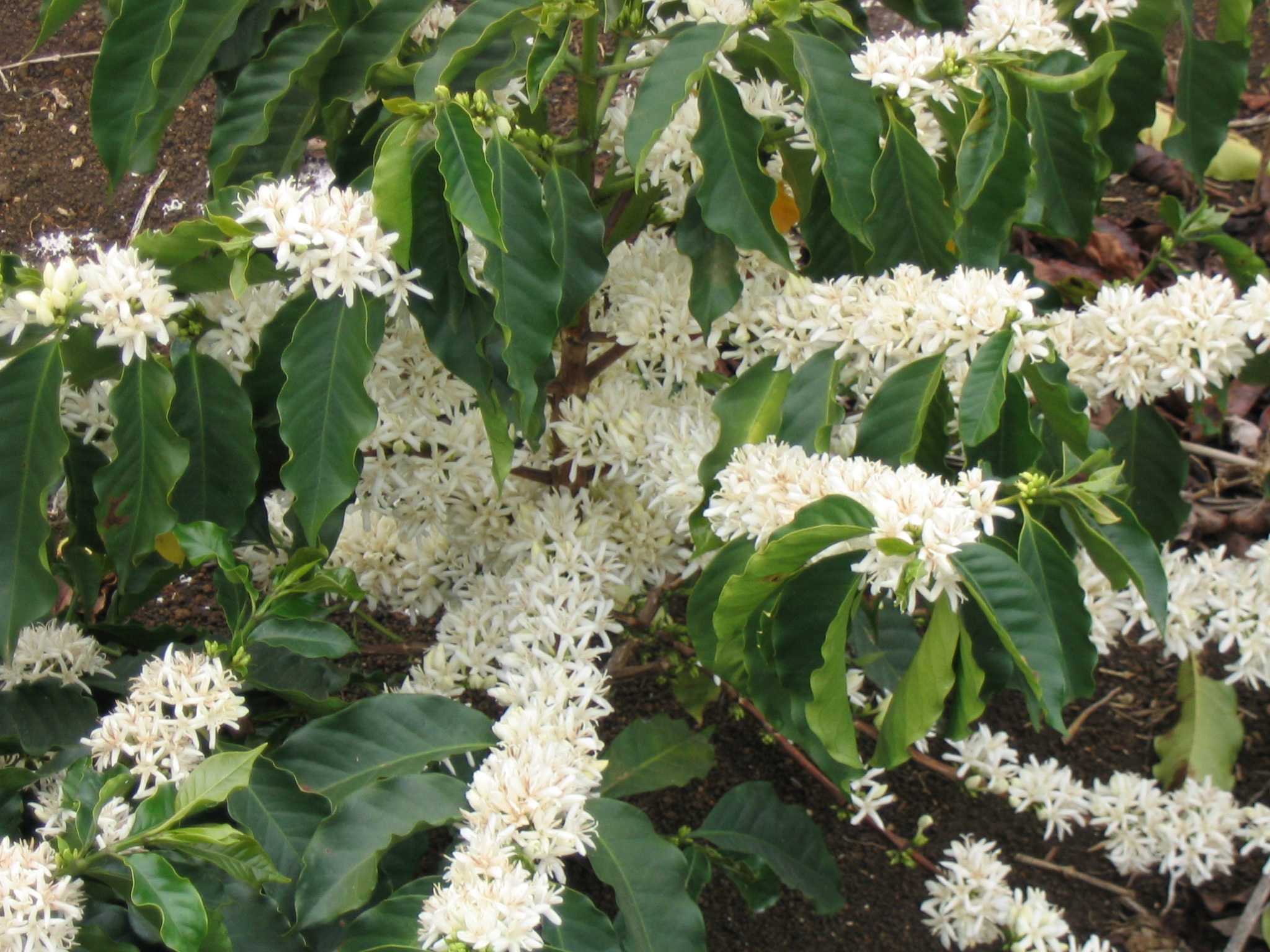
Arabica plants are typically characterized by their lush, evergreen foliage and their preference for high altitudes, typically between 600 and 2,000 meters (2,000 to 6,500 feet) above sea level. They thrive in regions with consistent rainfall, mild temperatures (ideally 15-24°C or 59-75°F), and rich, well-drained soil. The beans themselves are oval-shaped and possess a distinct groove. Compared to its hardier cousin, Coffea canephora (Robusta), Arabica is more susceptible to pests like the coffee berry borer and diseases such as coffee leaf rust. However, this delicate nature is precisely what contributes to its prized sensory attributes: a bright, complex acidity, a wide spectrum of aromatic notes ranging from floral and fruity to chocolatey and nutty, and a lower caffeine content.
📊 Key Facts & Numbers
Globally, Arabica beans represent a significant portion of the world's coffee production. Brazil remains the largest producer, followed by Vietnam (though primarily Robusta), Colombia, Indonesia, and Ethiopia. The demand for specialty-grade Arabica, scoring 80 points or higher on a 100-point scale, continues to grow, driving higher prices for exceptional lots.
👥 Key Varietals & Producers
Within the Coffea arabica species, numerous varietals have been developed and cultivated, each with unique characteristics. The Bourbon varietal is renowned for its sweetness and complex acidity, often found in high-altitude farms in Central and South America. Typica itself is one of the oldest and most important varietals, known for its clean cup profile. More recently, disease-resistant hybrids like the Catimor and Castillo varietals have gained prominence, particularly in regions battling coffee leaf rust. Major producing countries like Colombia, through organizations like the National Federation of Coffee Growers of Colombia (FNC), actively promote specific varietals and quality standards to maintain their market position. Ethiopia, the birthplace of Arabica, boasts an incredible genetic diversity, with heirloom varietals like Geisha (or Gesha) fetching exceptionally high prices for their distinctive floral and tea-like notes.
🌍 Cultural Impact & Influence
Arabica coffee is more than just a beverage; it's a cultural cornerstone that has shaped global social rituals and economies. Its journey from Ethiopian highlands to the bustling cafes of Paris and New York mirrors centuries of trade, exploration, and cultural exchange. The rise of specialty coffee culture, heavily reliant on the nuanced flavors of Arabica, has transformed coffee shops into community hubs and fostered a deeper appreciation for origin, processing, and brewing methods. The imagery of Arabica cultivation, from lush green slopes to the final roasted bean, has become iconic in global marketing and media.
⚡ Current State & Latest Developments
The current landscape for Arabica coffee is defined by both immense opportunity and significant threats. Climate change poses a challenge, with rising temperatures and unpredictable weather patterns impacting traditional growing regions. This has spurred intensive research into climate-resilient varietals, such as those developed by World Coffee Research, and a greater emphasis on sustainable farming practices, including shade-grown coffee and agroforestry systems. The specialty coffee market continues its upward trajectory, with consumers increasingly seeking ethically sourced, high-quality Arabica beans, driving innovation in processing techniques like anaerobic fermentation and carbonic maceration.
🤔 Controversies & Debates
The Arabica coffee industry is not without its controversies and debates. A significant ongoing discussion revolves around fair pricing for farmers. Despite the high prices commanded by specialty Arabica in consumer markets, many smallholder farmers struggle to earn a living wage, leading to debates about the efficacy of certifications like Fair Trade and Rainforest Alliance. The environmental impact of large-scale monoculture farming, including deforestation and water usage, is another point of contention. Furthermore, the genetic uniformity of some widely planted Arabica varietals, like Caturra and Catuaí, makes them highly vulnerable to diseases such as coffee leaf rust, a concern amplified by climate change. The debate continues on how to balance productivity, profitability, and ecological sustainability in Arabica production.
🔮 Future Outlook & Predictions
The future of Arabica coffee hinges on innovation and adaptation. Experts predict a continued shift towards higher altitudes and cooler regions as global temperatures rise, potentially leading to new coffee-growing frontiers in unexpected locations. The development and widespread adoption of climate-resilient and disease-resistant varietals will be crucial for ensuring long-term supply. We can expect to see further advancements in processing techniques aimed at enhancing flavor complexity and stability, alongside a growing demand for traceable and transparent supply chains. The role of technology, from AI-driven farm management to advanced genetic research, will likely increase, aiming to optimize yields and mitigate environmental risks. The challenge remains to ensure that these advancements benefit all stakeholders, particularly the farmers at the origin.
💡 Brewing & Enjoyment
For the consumer, understanding Arabica is key to unlocking a world of flavor. Its inherent qualities make it ideal for a wide range of brewing methods, from the delicate pour-over techniques that highlight its acidity and aromatics to the rich extraction of espresso. When purchasing Arabica beans, consumers are encouraged to look for information about the origin, varietal, processing method, and roast profile, as these factors significantly influence the final taste. Brewing at home often involves specific grind sizes, water temperatures (around 90-96°C or 195-205°F), and brew ratios, with resources like Barista Hustle offering detailed guidance. The pursuit of the perfect cup of Arabica is a journey of exploration, appreciating the journey from farm to cup.
Key Facts
- Category
- coffee-production
- Type
- topic