
Contents
- 🌊 Introduction to the Atlantic Ocean
- 🌴 Geography and Boundaries
- 🌊 Oceanic Divisions and Size
- 🌎 Earth's Surface Coverage
- 🚣♀️ Age of Discovery and Historical Significance
- 🌊 Water Surface Area and Depth
- 🐳 Marine Life and Ecosystems
- 🌊 Currents and Ocean Circulation
- 🚨 Environmental Concerns and Conservation
- 🌊 Economic Importance and Resource Management
- 🌎 Global Connections and Influence
- 🔍 Conclusion and Future Directions
- Frequently Asked Questions
- Related Topics
Overview
The Atlantic Ocean, covering approximately 20% of the Earth's surface, is a vital component of the global ecosystem, supporting a diverse range of marine life and playing a crucial role in regulating the planet's climate. With a history dating back over 150 million years, the Atlantic has been shaped by tectonic plate movement, sea level changes, and human activities such as shipping, fishing, and offshore oil drilling. The ocean's currents, including the Gulf Stream, have a significant impact on regional weather patterns and coastal erosion. As a major transportation route, the Atlantic has facilitated the exchange of goods, ideas, and cultures between nations, with key ports such as New York, Rotterdam, and Rio de Janeiro driving global trade. However, the ocean's health is under threat from pollution, overfishing, and climate change, highlighting the need for sustainable management and conservation practices. As scientists and policymakers work to address these challenges, the Atlantic Ocean remains a vital and dynamic system, with ongoing research and exploration continuing to reveal its secrets and complexities.
🌊 Introduction to the Atlantic Ocean
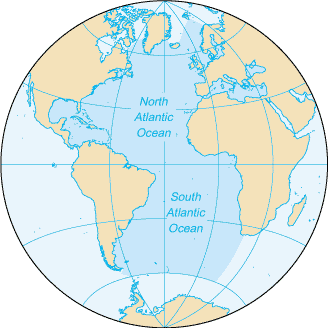
The Atlantic Ocean is a vital component of the Earth's system, covering approximately 17% of the planet's surface and about 24% of its water surface area. It is the second largest of the world's five oceanic divisions, with an area of about 85,133,000 square kilometers (32,870,000 sq mi). The Atlantic Ocean is connected to the Arctic Ocean to the north, the Pacific Ocean to the south, and the Indian Ocean to the southeast. The ocean's boundaries are defined by the coasts of the Americas, Europe, and Africa.
🌴 Geography and Boundaries
The Atlantic Ocean's geography is characterized by its extensive coastline, which stretches for over 111,000 kilometers (69,000 mi). The ocean's boundaries are marked by several notable features, including the Mid-Atlantic Ridge, the world's longest mountain range. The Atlantic Ocean is also home to several major islands, including Iceland, Greenland, and the British Isles. The ocean's floor is divided into several basins, including the North Atlantic Basin and the South Atlantic Basin.
🌊 Oceanic Divisions and Size
The Atlantic Ocean is the second largest of the world's five oceanic divisions, accounting for about 20% of the Earth's total ocean area. The ocean's size is significant, with an average depth of about 3,926 meters (12,881 ft). The Atlantic Ocean is also home to the Mariana Trench, the deepest point in the ocean. The ocean's size and depth have a significant impact on the Earth's climate, with the thermohaline circulation playing a crucial role in regulating global temperatures. The Atlantic Ocean is connected to the Southern Ocean and the Arctic Ocean through several straits and channels.
🌎 Earth's Surface Coverage
The Atlantic Ocean covers approximately 17% of the Earth's surface, making it a significant component of the planet's geography. The ocean's surface area is about 85,133,000 square kilometers (32,870,000 sq mi), which is roughly 4 times the size of the United States. The Atlantic Ocean's surface area is also home to several major ocean currents, including the Gulf Stream and the North Atlantic Current. These currents play a crucial role in regulating the Earth's climate, with the Atlantic Meridional Overturning Circulation (AMOC) being a key component of the global ocean circulation system.
🚣♀️ Age of Discovery and Historical Significance
During the Age of Discovery, the Atlantic Ocean was known for separating the New World of the Americas from the Old World of Afro-Eurasia. The ocean's significance during this period was immense, with several European explorers, including Christopher Columbus, using the Atlantic Ocean as a route to the Americas. The Atlantic Ocean's historical significance extends beyond the Age of Discovery, with the ocean playing a crucial role in the development of several civilizations, including the Ancient Egyptians and the Phoenicians.
🌊 Water Surface Area and Depth
The Atlantic Ocean's water surface area is about 85,133,000 square kilometers (32,870,000 sq mi), which is roughly 20% of the Earth's total ocean area. The ocean's average depth is about 3,926 meters (12,881 ft), with the deepest point being the Puerto Rico Trench. The Atlantic Ocean is also home to several major ocean currents, including the Gulf Stream and the North Atlantic Current. These currents play a crucial role in regulating the Earth's climate, with the Atlantic Meridional Overturning Circulation (AMOC) being a key component of the global ocean circulation system.
🐳 Marine Life and Ecosystems
The Atlantic Ocean is home to a diverse range of marine life, including several species of fish, mammals, and invertebrates. The ocean's ecosystems are complex and interconnected, with several species playing a crucial role in the ocean's food chain. The coral reefs of the Atlantic Ocean are some of the most diverse ecosystems on the planet, with several species of fish, crustaceans, and mollusks calling the reefs home. The Atlantic Ocean is also home to several major fisheries, including the North Sea and the Mediterranean Sea.
🌊 Currents and Ocean Circulation
The Atlantic Ocean's currents and ocean circulation play a crucial role in regulating the Earth's climate. The thermohaline circulation is a key component of the global ocean circulation system, with the Atlantic Meridional Overturning Circulation (AMOC) being a significant contributor to the ocean's circulation. The Atlantic Ocean is also home to several major ocean currents, including the Gulf Stream and the North Atlantic Current. These currents play a crucial role in regulating the Earth's climate, with the North Atlantic Oscillation (NAO) being a key component of the ocean's circulation system.
🚨 Environmental Concerns and Conservation
The Atlantic Ocean is facing several environmental concerns, including climate change, pollution, and overfishing. The ocean's ecosystems are complex and interconnected, with several species playing a crucial role in the ocean's food chain. The coral bleaching of the Atlantic Ocean's coral reefs is a significant concern, with several species of fish and invertebrates being affected by the bleaching. The Atlantic Ocean is also home to several major oil and gas fields, with the Gulf of Mexico being a significant contributor to the global oil supply.
🌊 Economic Importance and Resource Management
The Atlantic Ocean is a significant component of the global economy, with several industries, including fishing, shipping, and tourism, relying on the ocean's resources. The ocean's fisheries are some of the most valuable in the world, with the North Sea and the Mediterranean Sea being significant contributors to the global fish supply. The Atlantic Ocean is also home to several major ports, including the Port of Rotterdam and the Port of New York.
🌎 Global Connections and Influence
The Atlantic Ocean is connected to several other oceans, including the Pacific Ocean, the Indian Ocean, and the Southern Ocean. The ocean's currents and ocean circulation play a crucial role in regulating the Earth's climate, with the thermohaline circulation being a key component of the global ocean circulation system. The Atlantic Ocean is also home to several major ocean currents, including the Gulf Stream and the North Atlantic Current.
🔍 Conclusion and Future Directions
In conclusion, the Atlantic Ocean is a complex and dynamic ecosystem that plays a crucial role in regulating the Earth's climate. The ocean's size, depth, and currents all contribute to its significance, with the Atlantic Meridional Overturning Circulation (AMOC) being a key component of the global ocean circulation system. The Atlantic Ocean is facing several environmental concerns, including climate change, pollution, and overfishing. It is essential that we take action to protect the Atlantic Ocean and its ecosystems, including reducing our carbon footprint, reducing pollution, and implementing sustainable fishing practices.
Key Facts
- Year
- 2023
- Origin
- North America, Europe, Africa, and South America
- Category
- Geography and Environment
- Type
- Geographic Feature
Frequently Asked Questions
What is the size of the Atlantic Ocean?
The Atlantic Ocean is the second largest of the world's five oceanic divisions, with an area of about 85,133,000 square kilometers (32,870,000 sq mi). The ocean's average depth is about 3,926 meters (12,881 ft), with the deepest point being the Puerto Rico Trench.
What is the significance of the Atlantic Ocean?
The Atlantic Ocean is a significant component of the Earth's system, playing a crucial role in regulating the Earth's climate. The ocean's currents and ocean circulation, including the thermohaline circulation and the Atlantic Meridional Overturning Circulation (AMOC), are key components of the global ocean circulation system.
What are the main environmental concerns facing the Atlantic Ocean?
The Atlantic Ocean is facing several environmental concerns, including climate change, pollution, and overfishing. The ocean's ecosystems are complex and interconnected, with several species playing a crucial role in the ocean's food chain. The coral bleaching of the Atlantic Ocean's coral reefs is a significant concern, with several species of fish and invertebrates being affected by the bleaching.
What is the economic importance of the Atlantic Ocean?
The Atlantic Ocean is a significant component of the global economy, with several industries, including fishing, shipping, and tourism, relying on the ocean's resources. The ocean's fisheries are some of the most valuable in the world, with the North Sea and the Mediterranean Sea being significant contributors to the global fish supply.
How can we protect the Atlantic Ocean and its ecosystems?
It is essential that we take action to protect the Atlantic Ocean and its ecosystems, including reducing our carbon footprint, reducing pollution, and implementing sustainable fishing practices. We can also support organizations that work to protect the ocean and its ecosystems, such as the World Wildlife Fund and the Ocean Conservancy.
What is the role of the Atlantic Ocean in the global ocean circulation system?
The Atlantic Ocean plays a crucial role in the global ocean circulation system, with the thermohaline circulation and the Atlantic Meridional Overturning Circulation (AMOC) being key components of the system. The ocean's currents and ocean circulation help to regulate the Earth's climate, with the Gulf Stream and the North Atlantic Current being significant contributors to the ocean's circulation.
What are the main species of fish found in the Atlantic Ocean?
The Atlantic Ocean is home to several species of fish, including cod, haddock, and salmon. The ocean's fisheries are some of the most valuable in the world, with the North Sea and the Mediterranean Sea being significant contributors to the global fish supply.