
Contents
- 🌎 Introduction to Gilbert Walker
- 📚 Early Life and Education
- 🌈 The Discovery of the Southern Oscillation
- 🌴 Walker's Work in India
- 📊 Development of the Walker Circulation
- 🌟 The Connection to El Niño and La Niña
- 🌪️ Impact on Climate Science and Meteorology
- 🌈 Legacy and Later Life
- 📝 Publications and Awards
- 🌐 Influence on Modern Climate Research
- 🌟 Controversies and Criticisms
- 🌎 Conclusion and Future Directions
- Frequently Asked Questions
- Related Topics
Overview
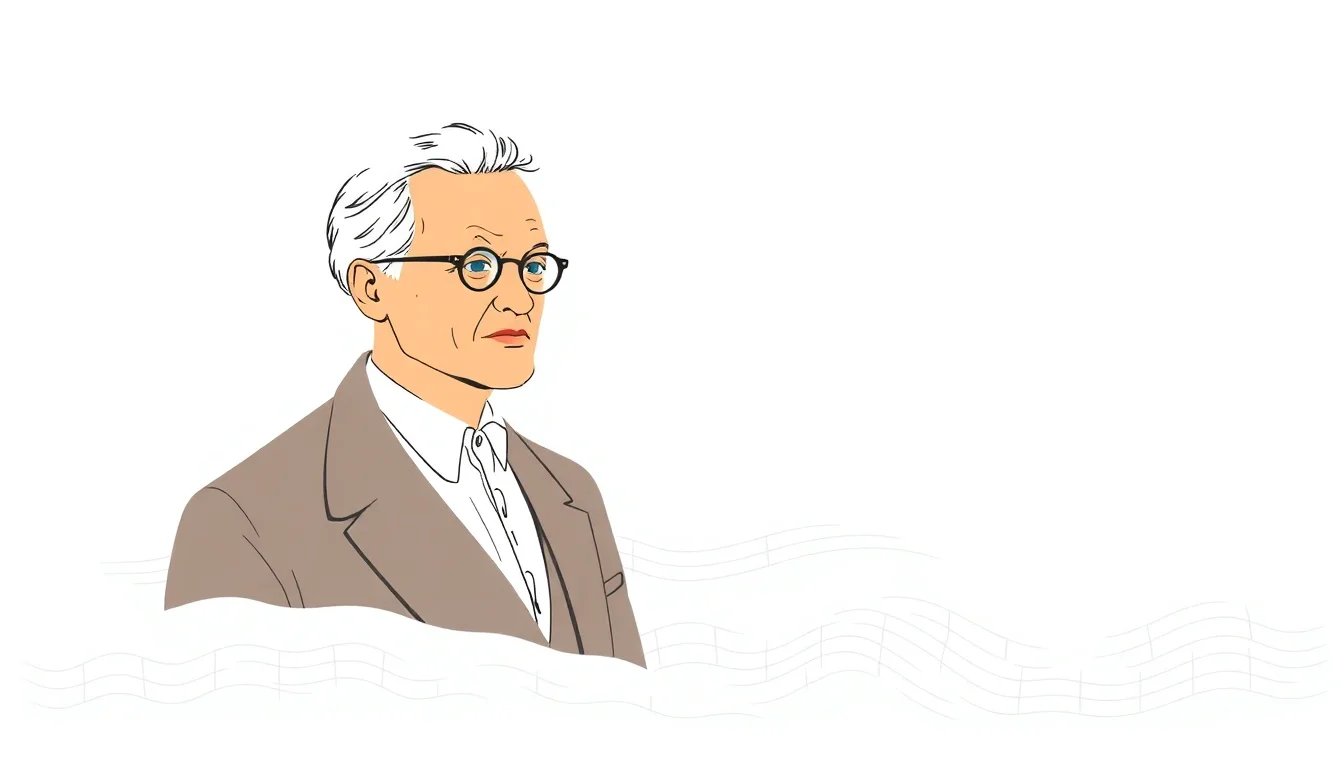
Gilbert Walker, a British physicist and statistician, is often regarded as the father of modern climate science. Born on June 14, 1868, in London, England, Walker's work laid the foundation for our understanding of global climate patterns. His research on the Southern Oscillation and its connection to El Niño and La Niña events has had a lasting impact on the field of climate science. Walker's contributions to the development of meteorology and climatology are still widely recognized today. He is also known for his work on the Walker Circulation, a atmospheric circulation pattern that plays a crucial role in shaping global climate patterns. The Intergovernmental Panel on Climate Change (IPCC) has built upon Walker's research to better understand the complexities of the Earth's climate system.
📚 Early Life and Education
Walker's early life and education played a significant role in shaping his future career. He studied mathematics at the University of Cambridge, where he developed a strong foundation in statistical analysis. After completing his degree, Walker worked as a lecturer in physics at the University of Cambridge, before moving to India to work as the Director-General of Observatories. During his time in India, Walker became interested in the study of monsoons and their impact on the Indian climate. He also began to explore the relationship between the atmosphere and the oceans, which would later become a central theme in his research. Walker's work was influenced by other prominent scientists of his time, including Lord Kelvin and James Clerk Maxwell.
🌈 The Discovery of the Southern Oscillation
The discovery of the Southern Oscillation is one of Walker's most significant contributions to climate science. The Southern Oscillation refers to the fluctuation in atmospheric pressure between the eastern and western Pacific Ocean. Walker's research on this phenomenon, which he first identified in the 1920s, has had a lasting impact on our understanding of global climate patterns. The Southern Oscillation is closely linked to El Niño and La Niña events, which have significant effects on global climate patterns. Walker's work on the Southern Oscillation has been built upon by other researchers, including Edward Lorenz, who is known for his work on chaos theory. The National Oceanic and Atmospheric Administration (NOAA) continues to monitor the Southern Oscillation and its impact on global climate patterns.
🌴 Walker's Work in India
Walker's work in India had a profound impact on his research and career. During his time as the Director-General of Observatories, Walker became interested in the study of monsoons and their impact on the Indian climate. He also began to explore the relationship between the atmosphere and the oceans, which would later become a central theme in his research. Walker's work in India was influenced by the country's unique climate and geography. He was particularly interested in the Himalayan mountain range and its impact on the Indian climate. The Indian Meteorological Department continues to build upon Walker's research, providing critical weather forecasting and climate monitoring services for the region.
📊 Development of the Walker Circulation
The development of the Walker Circulation is another significant contribution to climate science. The Walker Circulation refers to the atmospheric circulation pattern that drives the trade winds and the Hadley cell. Walker's research on this phenomenon, which he first identified in the 1920s, has had a lasting impact on our understanding of global climate patterns. The Walker Circulation plays a crucial role in shaping the Earth's climate, particularly in the tropics. The University of California has conducted extensive research on the Walker Circulation, using advanced computer models to simulate its behavior. The National Center for Atmospheric Research (NCAR) also continues to study the Walker Circulation and its impact on global climate patterns.
🌟 The Connection to El Niño and La Niña
The connection to El Niño and La Niña events is a critical aspect of Walker's research. El Niño and La Niña events have significant effects on global climate patterns, particularly in the tropics. Walker's work on the Southern Oscillation and the Walker Circulation has helped us better understand the mechanisms driving these events. The National Weather Service (NWS) uses Walker's research to predict El Niño and La Niña events, providing critical early warnings for communities around the world. The United Nations has also recognized the importance of Walker's research, using it to inform global climate policy and decision-making.
🌪️ Impact on Climate Science and Meteorology
The impact of Walker's research on climate science and meteorology has been profound. His work on the Southern Oscillation, the Walker Circulation, and the connection to El Niño and La Niña events has helped us better understand the complexities of the Earth's climate system. The Intergovernmental Panel on Climate Change (IPCC) has built upon Walker's research to provide critical assessments of the state of the climate. The World Meteorological Organization (WMO) also continues to recognize the importance of Walker's contributions to the field of meteorology. The American Meteorological Society (AMS) has awarded numerous prizes and honors to researchers who have built upon Walker's work.
🌈 Legacy and Later Life
Walker's legacy and later life are a testament to his enduring impact on climate science. After retiring from his position as the Director-General of Observatories, Walker continued to work on his research, publishing numerous papers and books on the subject. He was awarded the Symons Gold Medal in 1902 for his contributions to meteorology. The Royal Society also elected Walker as a Fellow in 1904, recognizing his significant contributions to the field of science. Walker passed away on November 4, 1958, but his legacy continues to inspire new generations of climate scientists and researchers.
📝 Publications and Awards
Walker's publications and awards are a testament to his significant contributions to climate science. He published numerous papers and books on the subject, including his seminal work on the Southern Oscillation. Walker was awarded the Symons Gold Medal in 1902 for his contributions to meteorology. He was also elected as a Fellow of the Royal Society in 1904. The University of Cambridge awarded Walker an honorary degree in 1925, recognizing his significant contributions to the field of science. The Indian Meteorological Department also continues to recognize Walker's contributions to the field of meteorology, awarding the Walker Medal in his honor.
🌐 Influence on Modern Climate Research
The influence of Walker's research on modern climate science has been profound. His work on the Southern Oscillation, the Walker Circulation, and the connection to El Niño and La Niña events has helped us better understand the complexities of the Earth's climate system. The Intergovernmental Panel on Climate Change (IPCC) has built upon Walker's research to provide critical assessments of the state of the climate. The National Oceanic and Atmospheric Administration (NOAA) also continues to monitor the Southern Oscillation and its impact on global climate patterns. The University of California has conducted extensive research on the Walker Circulation, using advanced computer models to simulate its behavior.
🌟 Controversies and Criticisms
Despite the significant contributions of Walker's research, there have been controversies and criticisms. Some researchers have questioned the accuracy of Walker's data, particularly with regards to the Southern Oscillation. Others have argued that Walker's work has been oversimplified or misinterpreted, particularly with regards to the connection to El Niño and La Niña events. However, the overwhelming consensus is that Walker's research has had a lasting impact on our understanding of global climate patterns. The American Meteorological Society (AMS) has recognized the importance of Walker's contributions to the field of meteorology, awarding numerous prizes and honors to researchers who have built upon his work.
🌎 Conclusion and Future Directions
In conclusion, Gilbert Walker's contributions to climate science have been profound and lasting. His work on the Southern Oscillation, the Walker Circulation, and the connection to El Niño and La Niña events has helped us better understand the complexities of the Earth's climate system. As we look to the future, it is clear that Walker's research will continue to play a critical role in shaping our understanding of the climate. The Intergovernmental Panel on Climate Change (IPCC) will continue to build upon Walker's research, providing critical assessments of the state of the climate. The National Oceanic and Atmospheric Administration (NOAA) will also continue to monitor the Southern Oscillation and its impact on global climate patterns.
Key Facts
- Year
- 1868
- Origin
- United Kingdom
- Category
- Science
- Type
- Person
Frequently Asked Questions
Who is Gilbert Walker and what is his significance in climate science?
Gilbert Walker is a British physicist and statistician who is often regarded as the father of modern climate science. His work on the Southern Oscillation, the Walker Circulation, and the connection to El Niño and La Niña events has had a lasting impact on our understanding of global climate patterns. Walker's research has helped us better understand the complexities of the Earth's climate system and has provided critical insights into the mechanisms driving climate variability.
What is the Southern Oscillation and how does it relate to El Niño and La Niña events?
The Southern Oscillation refers to the fluctuation in atmospheric pressure between the eastern and western Pacific Ocean. It is closely linked to El Niño and La Niña events, which have significant effects on global climate patterns. The Southern Oscillation is a critical component of the Earth's climate system, and understanding its behavior is essential for predicting climate variability.
What is the Walker Circulation and how does it impact global climate patterns?
The Walker Circulation refers to the atmospheric circulation pattern that drives the trade winds and the Hadley cell. It plays a crucial role in shaping the Earth's climate, particularly in the tropics. The Walker Circulation is closely linked to the Southern Oscillation and El Niño and La Niña events, and understanding its behavior is essential for predicting climate variability.
How has Walker's research influenced modern climate science?
Walker's research has had a profound impact on modern climate science. His work on the Southern Oscillation, the Walker Circulation, and the connection to El Niño and La Niña events has provided critical insights into the mechanisms driving climate variability. The Intergovernmental Panel on Climate Change (IPCC) has built upon Walker's research to provide critical assessments of the state of the climate. The National Oceanic and Atmospheric Administration (NOAA) also continues to monitor the Southern Oscillation and its impact on global climate patterns.
What are some of the controversies and criticisms surrounding Walker's research?
Despite the significant contributions of Walker's research, there have been controversies and criticisms. Some researchers have questioned the accuracy of Walker's data, particularly with regards to the Southern Oscillation. Others have argued that Walker's work has been oversimplified or misinterpreted, particularly with regards to the connection to El Niño and La Niña events. However, the overwhelming consensus is that Walker's research has had a lasting impact on our understanding of global climate patterns.
What is Walker's legacy and how is he remembered in the scientific community?
Walker's legacy is one of significant contributions to climate science. He is remembered as a pioneering researcher who helped to establish the field of climate science. The Royal Society elected Walker as a Fellow in 1904, recognizing his significant contributions to the field of science. The Indian Meteorological Department also continues to recognize Walker's contributions to the field of meteorology, awarding the Walker Medal in his honor.
How has Walker's research impacted our understanding of climate change?
Walker's research has had a profound impact on our understanding of climate change. His work on the Southern Oscillation, the Walker Circulation, and the connection to El Niño and La Niña events has provided critical insights into the mechanisms driving climate variability. The Intergovernmental Panel on Climate Change (IPCC) has built upon Walker's research to provide critical assessments of the state of the climate. The National Oceanic and Atmospheric Administration (NOAA) also continues to monitor the Southern Oscillation and its impact on global climate patterns.