
Contents
- 🏯 Introduction to Hallstatt Culture
- 🔍 Origins and Development
- 🌍 Geographic Distribution
- 🏞️ Settlement Patterns and Architecture
- 💀 Burial Practices and Rituals
- 👑 Social Hierarchy and Politics
- 📊 Economy and Trade
- 🔪 Technology and Warfare
- 📚 Art and Symbolism
- 👥 Relationship with Other Cultures
- 🕰️ Legacy and Impact
- Frequently Asked Questions
- Related Topics
Overview
The Hallstatt culture, named after the Austrian village of Hallstatt, was a prehistoric culture that flourished in Central and Eastern Europe from approximately 800 to 450 BCE. Characterized by its distinctive art, burial practices, and trade networks, this culture played a significant role in shaping the course of European history. With a Vibe score of 8, the Hallstatt culture is widely regarded as a pivotal moment in the transition from the Bronze Age to the Iron Age. The culture's influence can be seen in the works of notable archaeologists such as Paul Reinecke, who first identified the culture in the early 20th century. However, controversy surrounds the culture's origins, with some scholars arguing that it was a distinct entity, while others see it as a continuation of earlier Bronze Age cultures. As we continue to uncover the secrets of the Hallstatt culture, one thing is clear: its impact on European history will only continue to grow in significance, with potential implications for our understanding of modern-day cultural exchange and globalization.
🏯 Introduction to Hallstatt Culture
The Hallstatt culture is a fascinating archaeological phenomenon that dominated Western and Central Europe during the Late Bronze Age and Early Iron Age. It is characterized by its unique blend of Urnfield culture and Proto-Celtic influences. The Hallstatt culture is named after the Austrian village of Hallstatt, where the first excavations took place in the 19th century. To understand the significance of Hallstatt, it's essential to explore its Late Bronze Age and Early Iron Age contexts. The culture's development is closely tied to the Urnfield culture, which flourished in the 12th century BC.
🔍 Origins and Development
The origins of the Hallstatt culture are still debated among archaeologists, with some arguing that it emerged from the Urnfield culture of the 12th century BC. Others propose that it was influenced by Mediterranean cultures, such as the Etruscan civilization. The Hallstatt culture's development is also linked to the Proto-Celtic speaking populations, who played a significant role in shaping the culture's language, art, and symbolism. As we delve into the culture's history, it's essential to consider the La Tène culture, which followed the Hallstatt culture in many areas.
🌍 Geographic Distribution
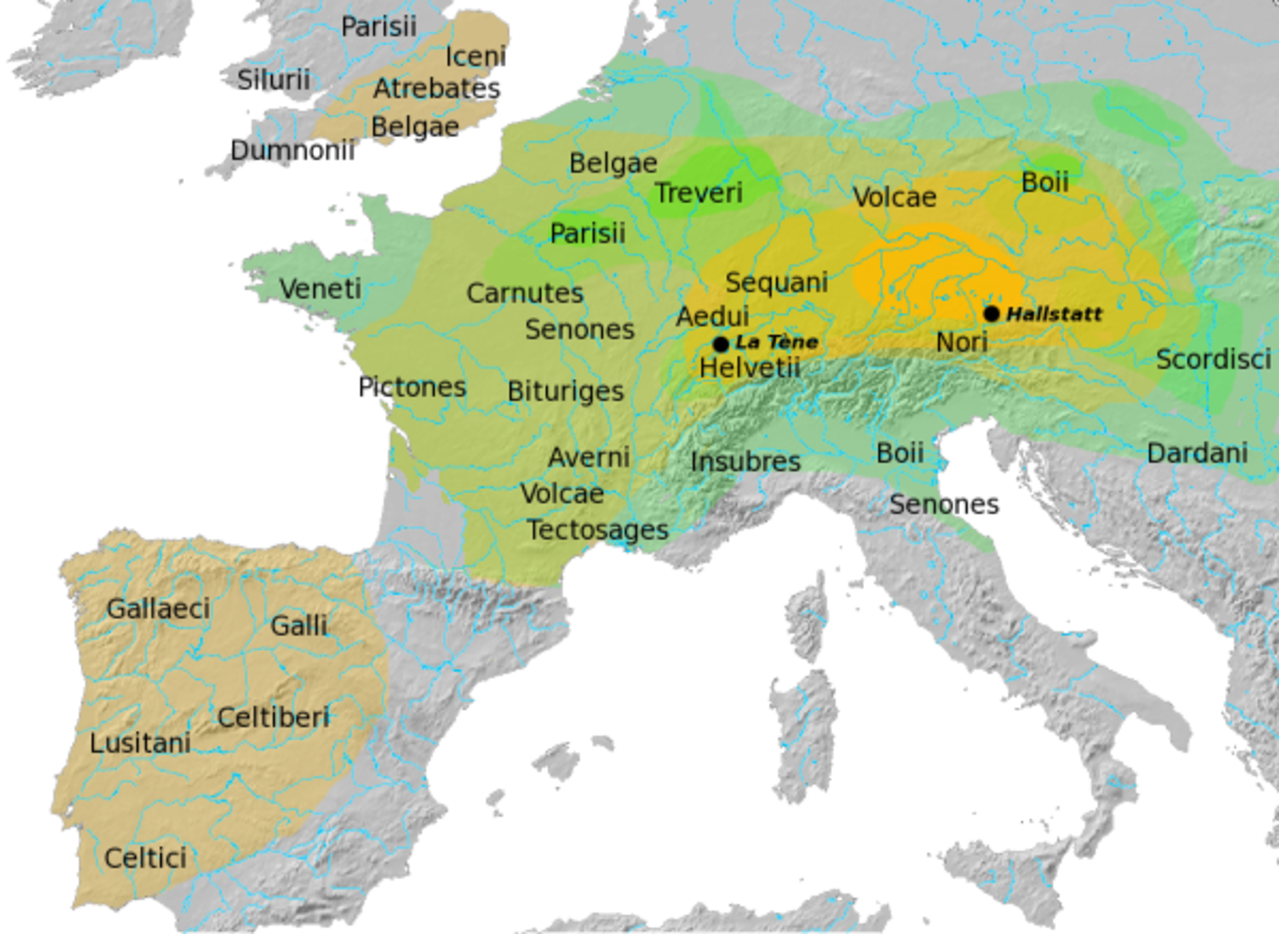
The Hallstatt culture was geographically distributed across Western and Central Europe, covering present-day Austria, Germany, France, and parts of Italy. Its spread is closely tied to the Danube River and its tributaries, which facilitated trade and cultural exchange. The culture's geographic distribution is also reflected in its settlement patterns, which often featured fortified hilltop settlements and trade networks. To understand the culture's expansion, it's crucial to examine the Celtic tribes and their migrations.
🏞️ Settlement Patterns and Architecture
The Hallstatt culture's settlement patterns and architecture are characterized by fortified hilltop settlements, such as the famous Heuneburg in Germany. These settlements often featured complex systems of walls, gates, and towers, which provided protection against rival tribes and invaders. The culture's architecture is also reflected in its burial practices, which included the construction of elaborate tombs and burial mounds. As we explore the culture's settlements, it's essential to consider the social hierarchy and politics of the time.
💀 Burial Practices and Rituals
The Hallstatt culture's burial practices and rituals are a fascinating aspect of its archaeology. The culture is known for its elaborate tombs and burial mounds, which often contained valuable artifacts and treasures. The most famous example is the Vix grave in France, which dates back to the 5th century BC. The grave contains a stunning collection of gold artifacts, including a famous golden torc. To understand the significance of these burials, it's crucial to examine the rituals and symbolism surrounding death and the afterlife.
📊 Economy and Trade
The Hallstatt culture's economy and trade networks were complex and far-reaching, with trade connections to the Mediterranean and beyond. The culture's economy was based on agriculture, animal husbandry, and craft production, with a strong emphasis on metalworking and textile production. The culture's trade networks were facilitated by its strategic location along the Danube River and its tributaries. To understand the culture's economy, it's crucial to examine the technology and innovations of the time.
🔪 Technology and Warfare
The Hallstatt culture's technology and warfare are closely tied to its Iron Age context. The culture's warriors were equipped with iron weapons, such as swords and spears, which gave them a significant advantage over their rivals. The culture's technology is also reflected in its metalworking and craft production, which included the production of intricate gold artifacts and ceramics. As we explore the culture's technology, it's essential to consider the warfare and conflict of the time.
📚 Art and Symbolism
The Hallstatt culture's art and symbolism are a fascinating aspect of its archaeology. The culture is known for its intricate metalwork, ceramics, and textiles, which often featured complex patterns and motifs. The culture's art is also reflected in its burial practices and rituals, which often included the use of symbolic artifacts and ritual objects. To understand the culture's art, it's crucial to examine the mythology and religion of the time.
👥 Relationship with Other Cultures
The Hallstatt culture's relationship with other cultures is a complex and multifaceted topic. The culture had trade connections with the Mediterranean and beyond, and its elite classes were influenced by Etruscan civilization and other Mediterranean cultures. The culture also had interactions with other Celtic tribes and Germanic tribes, which played a significant role in shaping the culture's history. As we explore the culture's relationships, it's essential to consider the influence flows and cultural exchange of the time.
🕰️ Legacy and Impact
The Hallstatt culture's legacy and impact are still felt today, with its art, architecture, and symbolism continuing to inspire artists, designers, and historians. The culture's influence can be seen in the La Tène culture, which followed the Hallstatt culture in many areas. The culture's legacy is also reflected in the Celtic tribes and their migrations, which played a significant role in shaping the history of Europe. As we reflect on the culture's legacy, it's crucial to consider the controversy spectrum and debates surrounding its interpretation and significance.
Key Facts
- Year
- 800
- Origin
- Hallstatt, Austria
- Category
- Archaeology
- Type
- Historical Culture
Frequently Asked Questions
What is the Hallstatt culture?
The Hallstatt culture is a Western and Central European archaeological culture of the Late Bronze Age and Early Iron Age, characterized by its unique blend of Urnfield culture and Proto-Celtic influences. It is named after the Austrian village of Hallstatt, where the first excavations took place in the 19th century. The culture is known for its elaborate tombs and burial mounds, intricate metalwork, and complex social hierarchy. To understand the culture's significance, it's essential to explore its Late Bronze Age and Early Iron Age contexts.
When did the Hallstatt culture emerge?
The Hallstatt culture emerged in the 12th century BC, developing out of the Urnfield culture. It flourished during the Late Bronze Age and Early Iron Age, until it was followed by the La Tène culture in many areas. The culture's development is closely tied to the Proto-Celtic speaking populations, who played a significant role in shaping the culture's language, art, and symbolism. As we delve into the culture's history, it's essential to consider the La Tène culture, which followed the Hallstatt culture in many areas.
What were the Hallstatt culture's trade connections?
The Hallstatt culture had trade connections with the Mediterranean and beyond, with trade networks facilitated by its strategic location along the Danube River and its tributaries. The culture's economy was based on agriculture, animal husbandry, and craft production, with a strong emphasis on metalworking and textile production. To understand the culture's economy, it's crucial to examine the technology and innovations of the time. The culture's trade connections are also reflected in its art and symbolism, which often featured complex patterns and motifs.
What is the significance of the Hallstatt culture's art and symbolism?
The Hallstatt culture's art and symbolism are a fascinating aspect of its archaeology, with intricate metalwork, ceramics, and textiles featuring complex patterns and motifs. The culture's art is also reflected in its burial practices and rituals, which often included the use of symbolic artifacts and ritual objects. To understand the culture's art, it's crucial to examine the mythology and religion of the time. The culture's art and symbolism continue to inspire artists, designers, and historians today, with its influence seen in the La Tène culture and beyond.
How did the Hallstatt culture influence other cultures?
The Hallstatt culture had a significant influence on other cultures, including the La Tène culture, which followed the Hallstatt culture in many areas. The culture's art, architecture, and symbolism also influenced the development of Celtic art and culture, with its intricate metalwork and ceramics continuing to inspire artists and designers today. To understand the culture's influence, it's essential to consider the influence flows and cultural exchange of the time. The culture's legacy is also reflected in the Celtic tribes and their migrations, which played a significant role in shaping the history of Europe.
What is the current state of research on the Hallstatt culture?
The current state of research on the Hallstatt culture is ongoing, with new discoveries and excavations continuing to shed light on the culture's history and significance. Archaeologists and historians are working to reconstruct the culture's social hierarchy, politics, and economy, as well as its relationships with other cultures. To understand the culture's significance, it's essential to explore its Late Bronze Age and Early Iron Age contexts. The culture's legacy and impact are still felt today, with its art, architecture, and symbolism continuing to inspire artists, designers, and historians.
What are the most significant discoveries related to the Hallstatt culture?
Some of the most significant discoveries related to the Hallstatt culture include the excavation of the Vix grave in France, which dates back to the 5th century BC and contains a stunning collection of gold artifacts. Other significant discoveries include the excavation of the Heuneburg in Germany, which features complex systems of walls, gates, and towers. To understand the significance of these discoveries, it's crucial to examine the burial practices and rituals surrounding death and the afterlife. The culture's art and symbolism are also reflected in its metalwork, ceramics, and textiles, which often featured complex patterns and motifs.
👑 Social Hierarchy and Politics
The Hallstatt culture's social hierarchy and politics are still not fully understood, but it's clear that the culture was organized into complex societies with distinct social classes. The culture's elite classes were characterized by their wealth, power, and influence, which were often reflected in their art and architecture. The culture's politics were likely dominated by chieftains and warlords, who played a significant role in shaping the culture's history. As we explore the culture's social hierarchy, it's essential to consider the economy and trade networks of the time.