
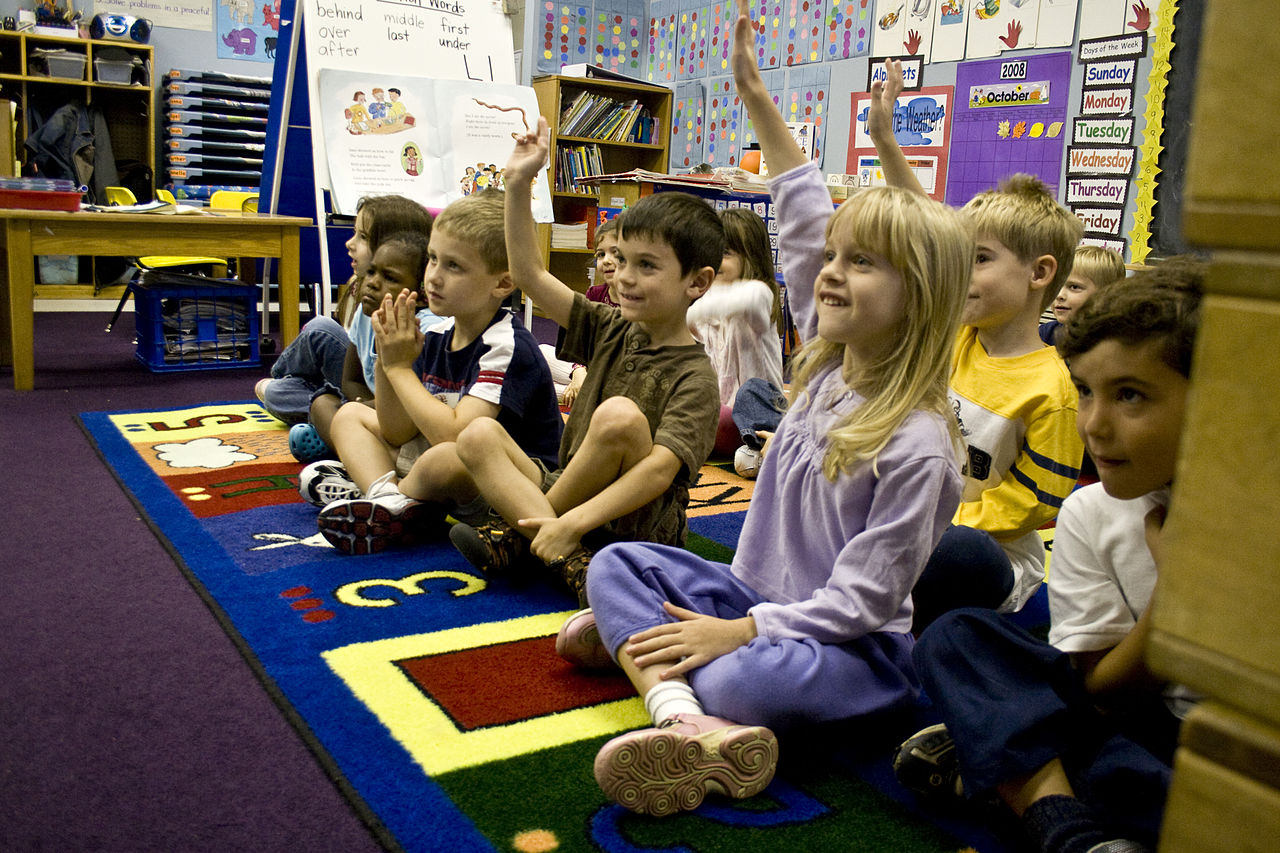
Contents
- 🏫 Introduction to Kindergarten
- 📚 History of Kindergarten
- 🎨 Theories and Methods of Kindergarten Education
- 👧 The Role of Play in Kindergarten
- 📊 Benefits of Kindergarten Education
- 🌎 Global Variations in Kindergarten Education
- 🤝 Socialization and Emotional Development in Kindergarten
- 📝 Assessment and Evaluation in Kindergarten
- 📚 Curriculum Development in Kindergarten
- 👩🏫 Teacher Training and Qualifications in Kindergarten
- 📊 Funding and Accessibility of Kindergarten Education
- 🔮 Future of Kindergarten Education
- Frequently Asked Questions
- Related Topics
Overview
Kindergarten, which translates to 'children's garden' in German, has its roots in the 19th-century ideas of Friedrich Fröbel, who believed in the importance of play and activity-based learning for young children. The concept gained popularity worldwide, with countries adapting the model to suit their educational systems. Today, kindergarten is a ubiquitous part of modern education, with a focus on socialization, emotional development, and foundational skills in literacy and numeracy. Despite its widespread adoption, there are ongoing debates about the ideal structure and curriculum for kindergarten, with some advocating for more formal instruction and others pushing for a play-based approach. The Vibe score for kindergarten is 8, reflecting its significant cultural energy and influence on early childhood education. As educators and policymakers continue to refine and improve kindergarten programs, the impact on future generations will be substantial, with potential long-term effects on academic achievement, social mobility, and economic growth.
🏫 Introduction to Kindergarten
Kindergarten is a preschool educational approach based on playing, singing, practical activities such as drawing, and social interaction as part of the transition from home to school. This approach was originally developed in the late 18th century in Germany and Alsace to serve children whose parents both worked outside the home. The term 'kindergarten' was coined by German pedagogue Friedrich Fröbel, whose approach globally influenced early-years education. Today, the term is used in many countries to describe various educational institutions and learning spaces for children ranging from two to six years of age, based on various teaching methods. For more information on early childhood education, visit Early Childhood Education. Kindergarten education is an essential part of a child's development, and its importance cannot be overstated. As noted by Jean Piaget, a renowned psychologist, children learn through play and social interaction.
📚 History of Kindergarten
The history of kindergarten dates back to the late 18th century in Germany and Alsace. During this time, many women worked outside the home, and there was a need for childcare services. The first kindergarten was established by Friedrich Fröbel in 1837 in Bad Blankenburg, Germany. Fröbel's approach emphasized the importance of play, socialization, and hands-on activities in early childhood education. His ideas were influenced by the works of Johann Heinrich Pestalozzi and Jean-Jacques Rousseau. For more information on the history of education, visit History of Education. The concept of kindergarten soon spread to other parts of the world, including the United States, where it was introduced by Margarethe Schurz in 1856.
🎨 Theories and Methods of Kindergarten Education
Theories and methods of kindergarten education vary depending on the country and the institution. Some common approaches include the Montessori Method, the Reggio Emilia Approach, and the Waldorf Education method. These approaches emphasize the importance of child-centered learning, hands-on activities, and socialization. For example, the Montessori Method focuses on individualized instruction and hands-on learning, while the Reggio Emilia Approach emphasizes the importance of community and socialization. As noted by Loris Malaguzzi, the founder of the Reggio Emilia Approach, children are capable of constructing their own learning. For more information on educational theories, visit Educational Theories.
👧 The Role of Play in Kindergarten
Play is a crucial component of kindergarten education. It allows children to develop their social, emotional, and cognitive skills in a fun and engaging way. Through play, children can learn important skills such as sharing, cooperation, and problem-solving. As noted by Lev Vygotsky, play is a powerful tool for learning and development. For more information on the importance of play, visit Play-Based Learning. Kindergarten teachers use various play-based activities, such as Dramatic Play and Sensory Play, to promote learning and development. These activities help children develop their imagination, creativity, and critical thinking skills.
📊 Benefits of Kindergarten Education
The benefits of kindergarten education are numerous. Research has shown that children who attend kindergarten have better social, emotional, and cognitive skills than those who do not. Kindergarten education also helps children develop important skills such as language, literacy, and numeracy. As noted by National Association for the Education of Young Children, high-quality kindergarten education can have a positive impact on children's long-term academic success. For more information on the benefits of early childhood education, visit Benefits of Early Childhood Education. Kindergarten education also helps children develop their self-esteem, confidence, and independence. It provides a foundation for future academic success and helps children develop into capable and competent individuals.
🌎 Global Variations in Kindergarten Education
Kindergarten education varies significantly around the world. In some countries, such as Finland and Denmark, kindergarten is a highly valued and well-funded part of the education system. In other countries, such as the United States, kindergarten is not always universally available or well-funded. For more information on global variations in education, visit Global Education. The curriculum and teaching methods used in kindergarten also vary depending on the country and institution. Some countries, such as Japan and South Korea, place a strong emphasis on academic achievement, while others, such as Australia and New Zealand, focus on play-based learning and socialization. As noted by UNESCO, early childhood education is a critical component of a country's education system.
📝 Assessment and Evaluation in Kindergarten
Assessment and evaluation are important components of kindergarten education. Teachers use various methods, such as observation, portfolios, and standardized tests, to assess children's learning and development. As noted by National Association of Early Childhood Teachers, assessment should be ongoing and should inform instruction. For more information on assessment and evaluation, visit Assessment and Evaluation. The goal of assessment is to understand children's strengths, weaknesses, and learning needs, and to provide targeted support and instruction. Kindergarten teachers also use assessment data to evaluate the effectiveness of their teaching practices and to make data-driven decisions.
📚 Curriculum Development in Kindergarten
Curriculum development is a critical component of kindergarten education. The curriculum should be based on the needs and interests of the children, and should provide opportunities for play, socialization, and hands-on learning. As noted by National Council of Teachers of Mathematics, the curriculum should be aligned with state and national standards. For more information on curriculum development, visit Curriculum Development. Kindergarten teachers use various curriculum frameworks, such as the Common Core State Standards, to guide their instruction and ensure that children meet the required learning outcomes.
👩🏫 Teacher Training and Qualifications in Kindergarten
Teacher training and qualifications are essential for providing high-quality kindergarten education. Kindergarten teachers should have a deep understanding of child development, learning theories, and teaching practices. As noted by National Board for Professional Teaching Standards, teachers should be certified and licensed to teach in their state. For more information on teacher education, visit Teacher Education. They should also have the skills and knowledge to create a supportive and inclusive learning environment that promotes children's social, emotional, and cognitive development. Kindergarten teachers should be trained in various teaching methods, such as the Montessori Method and the Reggio Emilia Approach.
📊 Funding and Accessibility of Kindergarten Education
Funding and accessibility are critical issues in kindergarten education. In many countries, kindergarten is not universally available or affordable, and many families struggle to access high-quality early childhood education. As noted by World Bank, investing in early childhood education can have a positive impact on economic development. For more information on education policy, visit Education Policy. Governments and policymakers should prioritize funding for kindergarten education and work to increase accessibility and affordability. This can be achieved through initiatives such as subsidies, scholarships, and public-private partnerships.
🔮 Future of Kindergarten Education
The future of kindergarten education is exciting and rapidly evolving. With the increasing recognition of the importance of early childhood education, there is a growing demand for high-quality kindergarten programs. As noted by OECD, early childhood education is a critical component of a country's education system. For more information on the future of education, visit Future of Education. Technology is also playing an increasingly important role in kindergarten education, with the use of digital tools and resources to support learning and teaching. Kindergarten teachers should be trained to effectively integrate technology into their practice and to use it to enhance children's learning experiences.
Key Facts
- Year
- 1837
- Origin
- Bad Blankenburg, Germany
- Category
- Education
- Type
- Educational Institution
Frequently Asked Questions
What is kindergarten?
Kindergarten is a preschool educational approach based on playing, singing, practical activities such as drawing, and social interaction as part of the transition from home to school. It is designed for children ranging from two to six years of age and is based on various teaching methods. For more information, visit Kindergarten.
What are the benefits of kindergarten education?
The benefits of kindergarten education are numerous. Research has shown that children who attend kindergarten have better social, emotional, and cognitive skills than those who do not. Kindergarten education also helps children develop important skills such as language, literacy, and numeracy. For more information, visit Benefits of Early Childhood Education.
What is the history of kindergarten?
The history of kindergarten dates back to the late 18th century in Germany and Alsace. The first kindergarten was established by Friedrich Fröbel in 1837 in Bad Blankenburg, Germany. Fröbel's approach emphasized the importance of play, socialization, and hands-on activities in early childhood education. For more information, visit History of Education.
What are the different approaches to kindergarten education?
There are several approaches to kindergarten education, including the Montessori Method, the Reggio Emilia Approach, and the Waldorf Education method. These approaches emphasize the importance of child-centered learning, hands-on activities, and socialization. For more information, visit Educational Theories.
How can I find a high-quality kindergarten program?
To find a high-quality kindergarten program, look for a program that is licensed and accredited, has a qualified and experienced teaching staff, and provides a supportive and inclusive learning environment. You can also ask for referrals from friends, family, or other parents, and visit the program in person to get a sense of the classroom and teaching style. For more information, visit Early Childhood Education.
What is the role of play in kindergarten education?
Play is a crucial component of kindergarten education. It allows children to develop their social, emotional, and cognitive skills in a fun and engaging way. Through play, children can learn important skills such as sharing, cooperation, and problem-solving. For more information, visit Play-Based Learning.
How can I support my child's learning in kindergarten?
To support your child's learning in kindergarten, communicate regularly with the teacher, attend parent-teacher conferences, and participate in volunteer opportunities. You can also provide a supportive and nurturing home environment that encourages learning and exploration. For more information, visit Parent-Teacher Conference.
🤝 Socialization and Emotional Development in Kindergarten
Socialization and emotional development are critical components of kindergarten education. Kindergarten provides children with opportunities to interact with their peers, develop friendships, and learn important social skills such as sharing, cooperation, and empathy. As noted by Erik Erikson, socialization is a critical component of child development. For more information on social-emotional learning, visit Social-Emotional Learning. Kindergarten teachers use various strategies, such as Circle Time and Group Activities, to promote socialization and emotional development. These strategies help children develop their self-awareness, self-regulation, and relationships skills.