
Contents
- 🏯 Introduction to Kublai Khan
- 📆 Early Life and Rise to Power
- 👑 The Founding of the Yuan Dynasty
- 🌏 Expansion and Conquests
- 🏙️ Establishment of the Capital City
- 📚 Cultural and Economic Achievements
- 🤝 Diplomacy and International Relations
- 💔 Challenges and Controversies
- 👊 Military Campaigns and Battles
- 🕊️ Legacy and Death
- 🔍 Historical Significance and Impact
- Frequently Asked Questions
- Related Topics
Overview
Kublai Khan, born in 1215, was the grandson of Genghis Khan and the founder of the Yuan Dynasty in China. He is widely reported to have been a just and fair ruler, establishing a robust administrative system, promoting trade and cultural exchange, and fostering a period of relative peace and prosperity. However, his reign was also marked by controversy, including the suppression of the Southern Song Dynasty and the execution of potential rivals. With a vibe score of 8, Kublai Khan's legacy is still debated among historians, with some viewing him as a wise and visionary leader, while others see him as a ruthless conqueror. His influence can be seen in the modern-day borders of China, Mongolia, and other parts of Asia, and his name has become synonymous with Mongol power and grandeur. As the Yuan Dynasty eventually declined, Kublai Khan's legacy continued to shape the region, with his descendants playing important roles in Asian politics and culture. The controversy surrounding his reign continues to be a topic of discussion, with a controversy spectrum rating of 6, indicating a moderate level of debate among scholars.
🏯 Introduction to Kublai Khan
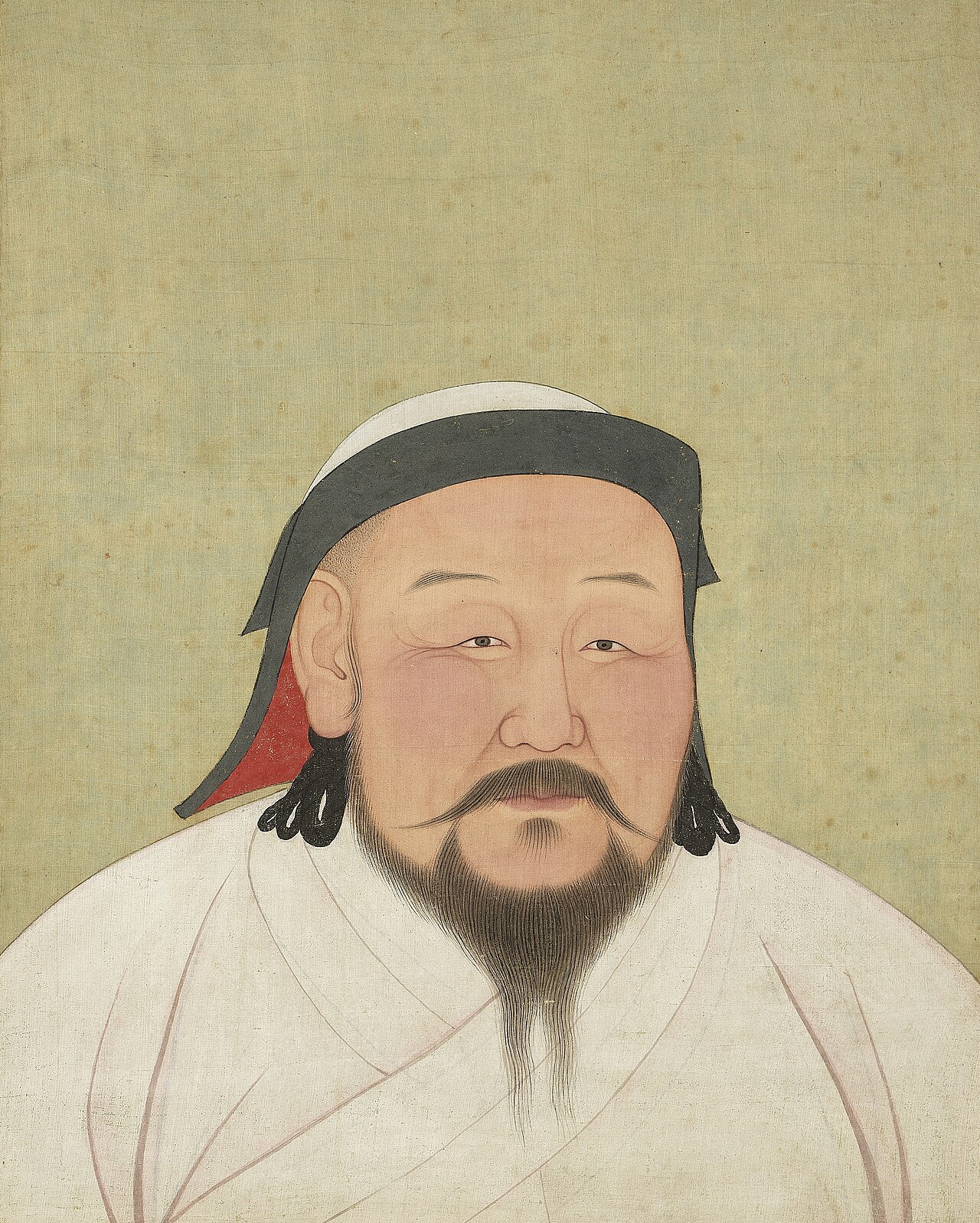
Kublai Khan, also known by his temple name as the Emperor Shizu of Yuan and his regnal name Setsen Khan, was a renowned Mongol emperor who played a crucial role in shaping the history of Asia. He was the founder and first emperor of the Mongol-led Yuan dynasty of China, which he established in 1271. As the grandson of Genghis Khan, Kublai Khan was destined for greatness, and his accomplishments did not disappoint. He ruled Yuan China until his death in 1294, leaving behind a legacy that would be remembered for centuries to come. His reign was marked by significant cultural, economic, and territorial achievements, which can be attributed to his wise leadership and vision. For instance, he established trade relationships with neighboring countries, including the Mongol Empire, and encouraged the development of arts and literature, as seen in the works of famous writers like Marco Polo.
📆 Early Life and Rise to Power
Kublai Khan was born in 1215 to Tolui, the youngest son of Genghis Khan, and his wife Sorghaghtani Beki. His early life was marked by a series of events that would shape his future, including the death of his father and the subsequent rise of his brother Mongke Khan to the throne. Kublai Khan's own rise to power began in 1251, when he was appointed as the governor of the Henan province by his brother. He quickly proved himself to be a capable leader, earning the respect and admiration of his peers. His experiences during this period likely influenced his decision to establish the Yuan dynasty and his vision for a unified China. As a skilled military leader, Kublai Khan also expanded the empire's borders, conquering the Southern Song dynasty and incorporating its territories into the Yuan dynasty.
👑 The Founding of the Yuan Dynasty
The founding of the Yuan dynasty in 1271 marked a significant turning point in Chinese history. Kublai Khan proclaimed the dynastic name 'Great Yuan' and established his capital city in Khanbaliq, which is now modern-day Beijing. The new dynasty was characterized by a unique blend of Mongol and Chinese cultures, with Kublai Khan adopting many of the traditional Chinese customs and institutions. He also established a new system of government, which included the creation of a powerful central administration and a network of local officials. This system allowed for more efficient governance and helped to maintain stability throughout the empire. The Yuan dynasty's administrative structure was also influenced by the Mongol Empire's decimal system, which divided the population into units of tens, hundreds, and thousands for military and administrative purposes.
🌏 Expansion and Conquests
Kublai Khan's expansionist policies led to the conquest of several neighboring territories, including the Tibetan Plateau and the Korean Peninsula. He also launched a series of military campaigns against the Japanese islands, but these efforts were ultimately unsuccessful. Despite these setbacks, Kublai Khan's military campaigns helped to establish the Yuan dynasty as a major power in East Asia, and his legacy as a great military leader has endured for centuries. The Yuan dynasty's military organization was based on the Mongol Empire's system, with a strong emphasis on cavalry and archery. Kublai Khan also encouraged the development of new technologies, such as the use of gunpowder and firearms, which helped to give the Yuan dynasty a military advantage over its rivals.
🏙️ Establishment of the Capital City
The establishment of Khanbaliq as the capital city of the Yuan dynasty marked a significant turning point in the history of Beijing. Kublai Khan invested heavily in the city's infrastructure, constructing a new palace, temples, and other public buildings. The city quickly became a center of culture and learning, attracting scholars, artists, and merchants from all over Asia. The city's strategic location also made it an important hub for trade and commerce, with the Yuan dynasty establishing trade relationships with neighboring countries, including the Mongol Empire and the Tibetan Plateau. As a result, Khanbaliq became a cosmopolitan city, with a diverse population of Mongols, Chinese, Tibetans, and other ethnic groups. The city's cultural landscape was also influenced by the Buddhist and Taoist traditions, which were popular among the city's inhabitants.
📚 Cultural and Economic Achievements
Kublai Khan's reign was marked by significant cultural and economic achievements. He encouraged the development of arts and literature, and his court attracted many famous writers and poets, including Marco Polo. The Yuan dynasty also saw significant advances in science and technology, including the development of gunpowder and the compass. The dynasty's economy was also characterized by a high degree of commercial activity, with trade relationships established with neighboring countries and a strong emphasis on agriculture and industry. The Yuan dynasty's economic policies were influenced by the Mongol Empire's system of taxation and tributes, which helped to generate revenue for the government. As a result, the Yuan dynasty experienced a period of rapid economic growth, which helped to establish it as a major power in East Asia.
🤝 Diplomacy and International Relations
Kublai Khan's diplomatic efforts helped to establish the Yuan dynasty as a major player in international relations. He established trade relationships with neighboring countries, including the Mongol Empire and the Tibetan Plateau. He also exchanged diplomatic missions with European countries, including the Papal States and the Byzantine Empire. These efforts helped to promote cultural exchange and understanding between East Asia and Europe, and paved the way for future diplomatic relations between the two regions. The Yuan dynasty's diplomatic efforts were also influenced by the Silk Road, a network of trade routes that connected China with Central Asia and Europe. As a result, the Yuan dynasty played a significant role in the development of global trade and cultural exchange.
💔 Challenges and Controversies
Despite his many achievements, Kublai Khan's reign was not without its challenges and controversies. He faced opposition from rival claimants to the throne, and his military campaigns were often marked by brutality and violence. The Yuan dynasty also faced significant economic challenges, including inflation and corruption. These challenges were exacerbated by the dynasty's system of government, which was often characterized by a lack of transparency and accountability. The Yuan dynasty's social hierarchy was also influenced by the Mongol Empire's system of social stratification, which divided the population into different classes based on their occupation and social status. As a result, the Yuan dynasty experienced a period of social unrest and instability, which threatened the stability of the government.
👊 Military Campaigns and Battles
Kublai Khan's military campaigns were marked by a series of significant battles and conquests. He launched a series of military campaigns against the Southern Song dynasty, which ultimately led to the conquest of the dynasty and the incorporation of its territories into the Yuan dynasty. He also launched a series of military campaigns against the Japanese islands, but these efforts were ultimately unsuccessful. Despite these setbacks, Kublai Khan's military campaigns helped to establish the Yuan dynasty as a major power in East Asia, and his legacy as a great military leader has endured for centuries. The Yuan dynasty's military organization was based on the Mongol Empire's system, with a strong emphasis on cavalry and archery. Kublai Khan also encouraged the development of new technologies, such as the use of gunpowder and firearms, which helped to give the Yuan dynasty a military advantage over its rivals.
🕊️ Legacy and Death
Kublai Khan's legacy has endured for centuries, and he is remembered as one of the greatest emperors in Chinese history. He died in 1294, and was succeeded by his grandson Temur Khan. The Yuan dynasty continued to thrive for many years after Kublai Khan's death, but it eventually declined and was overthrown by the Ming dynasty in 1368. Despite this, Kublai Khan's legacy continues to be felt, and his impact on Chinese history and culture is still celebrated today. The Yuan dynasty's cultural achievements, including its literature, art, and architecture, continue to inspire and influence people around the world. As a result, Kublai Khan's legacy is a testament to the enduring power of culture and ideas to shape our world.
🔍 Historical Significance and Impact
Kublai Khan's historical significance and impact are still debated among historians today. Some have argued that he was a great leader who unified China and established a new era of peace and prosperity. Others have argued that he was a brutal conqueror who destroyed many of the traditional Chinese institutions and customs. Despite these debates, it is clear that Kublai Khan played a significant role in shaping the course of Chinese history, and his legacy continues to be felt today. The Yuan dynasty's system of government, economy, and culture were all influenced by the Mongol Empire's system, which helped to establish the Yuan dynasty as a major power in East Asia. As a result, Kublai Khan's historical significance and impact are a testament to the enduring power of ideas and institutions to shape our world.
Key Facts
- Year
- 1260
- Origin
- Mongolia
- Category
- History
- Type
- Historical Figure
Frequently Asked Questions
Who was Kublai Khan and what was his significance in Chinese history?
Kublai Khan was the founder and first emperor of the Mongol-led Yuan dynasty of China. He played a crucial role in shaping the history of Asia and established the Yuan dynasty as a major power in East Asia. His significance in Chinese history is still debated among historians today, but it is clear that he had a profound impact on the country's culture, economy, and politics.
What were some of Kublai Khan's major achievements during his reign?
Kublai Khan's major achievements during his reign included the establishment of the Yuan dynasty, the conquest of the Southern Song dynasty, and the establishment of trade relationships with neighboring countries. He also encouraged the development of arts and literature, and his court attracted many famous writers and poets.
What were some of the challenges and controversies that Kublai Khan faced during his reign?
Kublai Khan faced several challenges and controversies during his reign, including opposition from rival claimants to the throne, military setbacks, and economic challenges. He also faced criticism for his brutal treatment of his enemies and his destruction of traditional Chinese institutions and customs.
How did Kublai Khan's reign impact the culture and economy of China?
Kublai Khan's reign had a significant impact on the culture and economy of China. He encouraged the development of arts and literature, and his court attracted many famous writers and poets. He also established trade relationships with neighboring countries, which helped to promote cultural exchange and understanding between East Asia and Europe.
What is Kublai Khan's legacy and how is he remembered today?
Kublai Khan's legacy is still debated among historians today, but it is clear that he played a significant role in shaping the course of Chinese history. He is remembered as a great leader who unified China and established a new era of peace and prosperity, but he is also criticized for his brutal treatment of his enemies and his destruction of traditional Chinese institutions and customs.
How did Kublai Khan's reign impact the development of global trade and cultural exchange?
Kublai Khan's reign had a significant impact on the development of global trade and cultural exchange. He established trade relationships with neighboring countries, which helped to promote cultural exchange and understanding between East Asia and Europe. His court also attracted many famous writers and poets, who helped to spread Chinese culture and ideas throughout the world.
What were some of the key factors that contributed to Kublai Khan's success as a leader?
Kublai Khan's success as a leader can be attributed to several key factors, including his military prowess, his diplomatic skills, and his ability to adapt to changing circumstances. He was also a skilled administrator, who established a efficient system of government and encouraged the development of arts and literature.