
Contents
- 🏛️ Introduction to Napoleon Bonaparte
- 💡 The Rise of a Military Genius
- 🔪 The French Revolution and Napoleon's Role
- 🌍 Conquests and Campaigns: Europe and Beyond
- 📜 Legal and Administrative Reforms
- 👑 The Emperor of the French: Reign and Abdication
- 💔 The Hundred Days and Final Exile
- 🏰 Legacy of Napoleon Bonaparte
- 🤝 Influence on European History
- 📚 Historical Debates and Controversies
- 👊 Military Strategy and Tactics
- 🔮 Conclusion: The Enduring Impact of Napoleon
- Frequently Asked Questions
- Related Topics
Overview
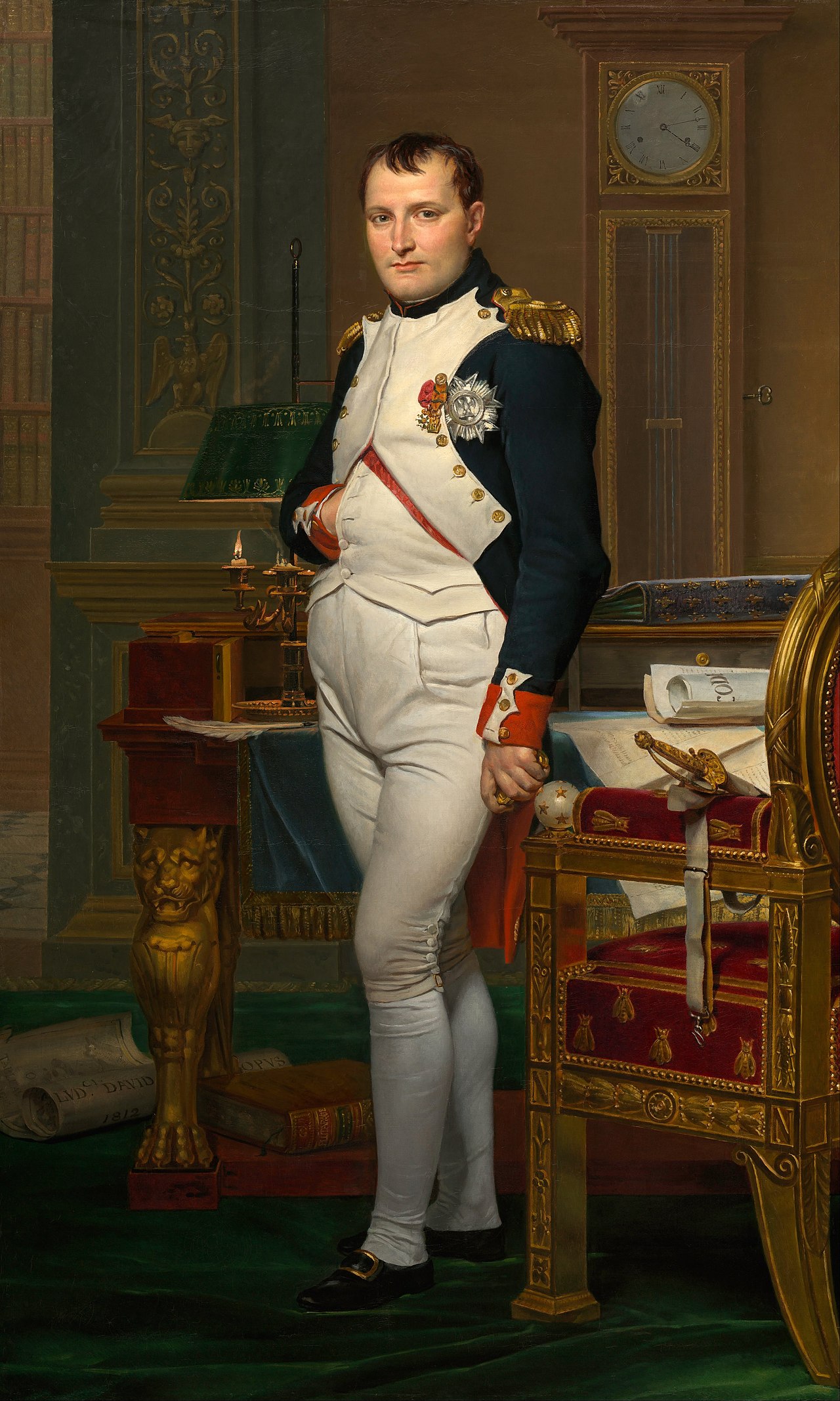
Napoleon Bonaparte, later known by his regnal name Napoleon I, was Emperor of the French from 18 May 1804 until his first abdication in 1814, with a brief restoration during the Hundred Days in 1815. He rose to prominence as a general during the French Revolution and led a series of military campaigns across Europe and the Middle East during the French Revolutionary and Napoleonic Wars. As a statesman, he implemented numerous legal and administrative reforms in France and Europe, including the Napoleonic Code. His legacy continues to be felt in modern times, with many regarding him as one of the greatest military minds in history, while others view him as a power-hungry dictator. The Vibe score of Napoleon's legacy is a topic of ongoing debate among historians, with some arguing it is a reflection of his enduring impact on European history.
💡 The Rise of a Military Genius
Napoleon's rise to power was nothing short of meteoric. Born on August 15, 1769, in Ajaccio, Corsica, he graduated from the École Militaire in Paris and quickly distinguished himself as a brilliant military strategist. His early successes, including the Siege of Toulon and the Italian Campaign, earned him the admiration of his peers and the attention of the French government. As he continued to rack up victories, he became a national hero, and his popularity soared. The French Directory, the ruling body of France at the time, took notice of his talents and appointed him to lead the French army in Italy. He was influenced by the ideas of the Enlightenment and the writings of Niccolò Machiavelli.
🔪 The French Revolution and Napoleon's Role
The French Revolution was a pivotal moment in Napoleon's career. As a young officer, he was drawn to the revolutionary ideals of Liberty, Equality, Fraternity and saw an opportunity to make a name for himself in the tumultuous political landscape. He quickly rose through the ranks, becoming a general at the age of 24 and leading the French army to several key victories. His successes during this period, including the Battle of 13 Vendémiaire, cemented his reputation as a brilliant military strategist and earned him the respect of his peers. The Revolution also had a profound impact on European history, shaping the course of modern politics and society. The Congress of Vienna would later attempt to restore the pre-revolutionary order, but the influence of the Revolution would endure.
🌍 Conquests and Campaigns: Europe and Beyond
Napoleon's conquests and campaigns took him across Europe and beyond. He led the French army to victories in Italy, Germany, and Austria, and his military genius was on full display. The Battle of Austerlitz, fought on December 2, 1805, is widely regarded as one of the greatest military victories in history, with Napoleon's forces defeating a combined Austrian and Russian army. He also launched a disastrous invasion of Russia in 1812, which ended in defeat and retreat. The Peninsular War and the War of the Fifth Coalition were also significant conflicts during this period. Despite these setbacks, Napoleon's military campaigns expanded the French Empire, and he implemented numerous reforms in the territories he conquered, including the introduction of the Napoleonic Code. The Vibe score of his military campaigns is a topic of ongoing debate among historians, with some arguing it reflects his enduring impact on European history.
📜 Legal and Administrative Reforms
As a statesman, Napoleon implemented numerous legal and administrative reforms in France and Europe. The Napoleonic Code, also known as the Civil Code, was a comprehensive set of laws that established clear rules and procedures for civil cases. He also centralized the French government, creating a more efficient and effective administrative system. The Banque de France was established in 1800, and the University of France was created in 1806. These reforms had a lasting impact on French and European society, shaping the course of modern politics and law. The Congress of Vienna would later attempt to restore the pre-revolutionary order, but the influence of Napoleon's reforms would endure. The Influence flow of his ideas can be seen in the development of modern law and governance.
👑 The Emperor of the French: Reign and Abdication
Napoleon's reign as Emperor of the French was marked by both brilliance and brutality. He was crowned Emperor on May 18, 1804, in a lavish ceremony at the Notre-Dame Cathedral in Paris. He implemented numerous reforms, including the creation of the Imperial Guard and the establishment of the French Navy. However, his reign was also marked by controversy and opposition, including the Peninsular War and the War of the Fifth Coalition. He was forced to abdicate the throne on April 6, 1814, and was exiled to the island of Elba. The Hundred Days would see his brief return to power, but ultimately ended in defeat at the Battle of Waterloo.
💔 The Hundred Days and Final Exile
The Hundred Days was a brief period of Napoleon's reign, from March 20, 1815, to July 8, 1815. During this time, he regained power and attempted to reassert his authority over France. However, his efforts were ultimately unsuccessful, and he was defeated at the Battle of Waterloo on June 18, 1815. He was forced to abdicate the throne for a second time and was exiled to the island of Saint Helena, where he would remain until his death on May 5, 1821. The Vibe score of his legacy is a topic of ongoing debate among historians, with some arguing it reflects his enduring impact on European history. The Influence flow of his ideas can be seen in the development of modern politics and society.
🏰 Legacy of Napoleon Bonaparte
Napoleon's legacy is complex and multifaceted. He is remembered as a brilliant military strategist and a skilled statesman, but also as a power-hungry dictator who brought devastation and war to Europe. The Napoleonic Code and the Banque de France are just two examples of his lasting impact on French and European society. However, his military campaigns and conquests also resulted in the loss of countless lives and the destruction of entire cities. The Congress of Vienna would later attempt to restore the pre-revolutionary order, but the influence of Napoleon's reforms would endure. The Vibe score of his legacy is a topic of ongoing debate among historians, with some arguing it reflects his enduring impact on European history.
🤝 Influence on European History
Napoleon's influence on European history is undeniable. He played a significant role in shaping the course of modern politics and society, and his legacy continues to be felt today. The French Revolution and the Napoleonic Wars had a profound impact on European history, leading to the rise of nationalism and the redrawing of the European map. The Congress of Vienna would later attempt to restore the pre-revolutionary order, but the influence of Napoleon's reforms would endure. The Influence flow of his ideas can be seen in the development of modern law and governance. The Vibe score of his legacy is a topic of ongoing debate among historians, with some arguing it reflects his enduring impact on European history.
📚 Historical Debates and Controversies
Historical debates and controversies surrounding Napoleon's legacy are numerous. Some historians view him as a brilliant military strategist and a skilled statesman, while others see him as a power-hungry dictator who brought devastation and war to Europe. The Napoleonic Code and the Banque de France are just two examples of his lasting impact on French and European society. However, his military campaigns and conquests also resulted in the loss of countless lives and the destruction of entire cities. The Congress of Vienna would later attempt to restore the pre-revolutionary order, but the influence of Napoleon's reforms would endure. The Vibe score of his legacy is a topic of ongoing debate among historians, with some arguing it reflects his enduring impact on European history.
👊 Military Strategy and Tactics
Napoleon's military strategy and tactics are still studied by military historians and strategists today. He is remembered for his brilliant use of maneuver warfare, his ability to adapt to changing circumstances on the battlefield, and his emphasis on speed and surprise. The Battle of Austerlitz and the Battle of Jena are just two examples of his military genius. However, his military campaigns also resulted in the loss of countless lives and the destruction of entire cities. The Peninsular War and the War of the Fifth Coalition were also significant conflicts during this period. The Influence flow of his ideas can be seen in the development of modern military strategy and tactics.
🔮 Conclusion: The Enduring Impact of Napoleon
In conclusion, Napoleon Bonaparte was a complex and multifaceted figure who left an indelible mark on European history. His legacy continues to be felt today, with many regarding him as one of the greatest military minds in history, while others view him as a power-hungry dictator. The Vibe score of his legacy is a topic of ongoing debate among historians, with some arguing it reflects his enduring impact on European history. As we look to the future, it is clear that Napoleon's influence will continue to be felt, shaping the course of modern politics and society. The Influence flow of his ideas can be seen in the development of modern law and governance, and his military strategy and tactics continue to be studied by military historians and strategists today.
Key Facts
- Year
- 1769
- Origin
- Ajaccio, Corsica
- Category
- History
- Type
- Historical Figure
Frequently Asked Questions
Who was Napoleon Bonaparte?
Napoleon Bonaparte was a French military and political leader who rose to prominence during the French Revolution and led a series of military campaigns across Europe and the Middle East. He was Emperor of the French from 1804 to 1814 and again in 1815, and is widely regarded as one of the greatest military minds in history. He was influenced by the ideas of the Enlightenment and the writings of Niccolò Machiavelli.
What was the Napoleonic Code?
The Napoleonic Code, also known as the Civil Code, was a comprehensive set of laws introduced by Napoleon in 1804. It established clear rules and procedures for civil cases and had a lasting impact on French and European society. The Code was a major achievement of Napoleon's reign and is still studied by lawyers and historians today. It was influenced by the ideas of the Enlightenment and the writings of Montesquieu.
What were the Hundred Days?
The Hundred Days was a brief period of Napoleon's reign, from March 20, 1815, to July 8, 1815. During this time, he regained power and attempted to reassert his authority over France. However, his efforts were ultimately unsuccessful, and he was defeated at the Battle of Waterloo on June 18, 1815. The Hundred Days marked the final chapter of Napoleon's reign and had a lasting impact on European history. The Congress of Vienna would later attempt to restore the pre-revolutionary order, but the influence of Napoleon's reforms would endure.
What was the Battle of Waterloo?
The Battle of Waterloo was a decisive battle fought on June 18, 1815, in which a coalition of British and Prussian forces led by the Duke of Wellington and Field Marshal Gebhard von Blücher defeated the French army under Napoleon's command. The battle marked the final defeat of Napoleon and the end of his reign. It was a significant turning point in European history and had a lasting impact on the course of modern politics and society. The Vibe score of the battle is a topic of ongoing debate among historians, with some arguing it reflects the enduring impact of Napoleon's legacy on European history.
What is Napoleon's legacy?
Napoleon's legacy is complex and multifaceted. He is remembered as a brilliant military strategist and a skilled statesman, but also as a power-hungry dictator who brought devastation and war to Europe. His reforms, including the Napoleonic Code and the Banque de France, had a lasting impact on French and European society. However, his military campaigns also resulted in the loss of countless lives and the destruction of entire cities. The Vibe score of his legacy is a topic of ongoing debate among historians, with some arguing it reflects his enduring impact on European history.
How did Napoleon rise to power?
Napoleon rose to power during the French Revolution, where he distinguished himself as a brilliant military strategist. He quickly rose through the ranks, becoming a general at the age of 24 and leading the French army to several key victories. His successes during this period, including the Battle of 13 Vendémiaire, cemented his reputation as a brilliant military strategist and earned him the respect of his peers. He was influenced by the ideas of the Enlightenment and the writings of Niccolò Machiavelli.
What was the significance of the Congress of Vienna?
The Congress of Vienna was a gathering of European powers in 1815, following Napoleon's defeat at the Battle of Waterloo. The Congress aimed to restore the pre-revolutionary order in Europe and to reorganize the continent in the wake of Napoleon's conquests. The Congress had a lasting impact on European history, shaping the course of modern politics and society. The Vibe score of the Congress is a topic of ongoing debate among historians, with some arguing it reflects the enduring impact of Napoleon's legacy on European history.