
Contents
- 🕊️ Introduction to Nataraja
- 💫 The Cosmic Dance of Shiva
- 📜 Hindu Texts and the Description of Nataraja
- 🕉️ The Significance of Tandava in Hinduism
- 🏯 Nataraja in Hindu Temples and Architecture
- 🎨 The Artistic Representation of Nataraja
- 🕊️ The Symbolism of Nataraja in Indian Culture
- 👥 References to Nataraja in Tamil Texts
- 🤔 Controversies and Debates Surrounding Nataraja
- 📈 The Cultural Impact of Nataraja
- 👀 Conclusion and Future Prospects
- Frequently Asked Questions
- Related Topics
Overview
Nataraja, the dancing form of Shiva, is one of the most recognizable and revered deities in Hinduism, with a rich history dating back to the 6th century. This iconic representation of Shiva as the cosmic dancer has been interpreted in various ways, from the destruction of ignorance to the celebration of life and creation. The Nataraja bronze sculptures, crafted in the Chola dynasty, are renowned for their exquisite beauty and intricate details, with the most famous example being the Nataraja of Melakadambur, crafted in the 12th century. With a vibe score of 8, Nataraja has inspired countless artists, dancers, and musicians across the globe, including the likes of Auguste Rodin and Isadora Duncan. The controversy surrounding the looting of Nataraja bronzes from Indian temples and their subsequent sale in international markets has sparked a heated debate about cultural appropriation and repatriation. As we move forward, it's essential to consider the influence flows between Indian and Western art, and how the legacy of Nataraja will continue to shape our understanding of cultural heritage and identity.
🕊️ Introduction to Nataraja
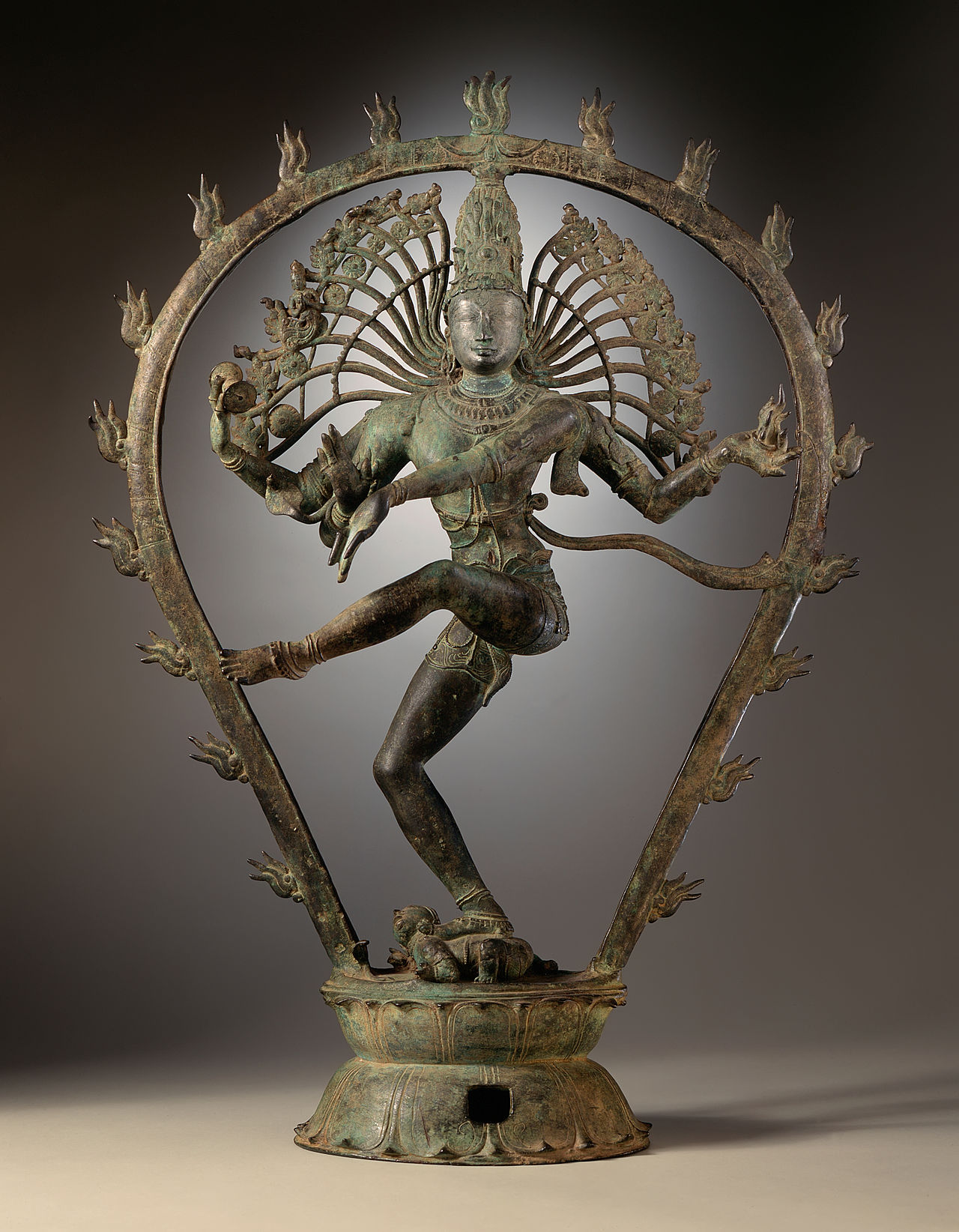
Nataraja, also known as Adalvallan, is a depiction of Shiva, one of the main deities in Hinduism, as the divine cosmic dancer. His dance is called the tandava. The pose and artwork are described in many Hindu texts such as the Tevaram and Thiruvasagam in Tamil and the Amshumadagama and Uttarakamika agama in Sanskrit and the Grantha texts. Nataraja is often associated with the concept of bhakti, which emphasizes devotion and love for the divine. The dance murti is featured in all major Hindu temples of Shaivism, and is a well-known sculptural symbol in India and popularly used as a symbol of Indian culture, as one of the finest illustrations of Hindu art.
💫 The Cosmic Dance of Shiva
The cosmic dance of Shiva, also known as Ananda Tandava, is a symbol of the cyclical nature of time and the universe. It represents the five principles of Hindu philosophy, which are creation, preservation, destruction, concealment, and revelation. The dance is said to be performed by Shiva to destroy the forces of chaos and to maintain the balance of the universe. Nataraja is often depicted with four arms, with one hand holding a drum, another hand holding a flame, and the other two hands in the mudra of dance. This form is also referred to as Kuththan, Sabesan, and Ambalavanan in various Tamil texts, highlighting the rich cultural heritage of Tamil Nadu.
📜 Hindu Texts and the Description of Nataraja
Hindu texts such as the Tevaram and Thiruvasagam in Tamil and the Amshumadagama and Uttarakamika agama in Sanskrit provide detailed descriptions of Nataraja and his dance. These texts describe the pose, the attire, and the accessories of Nataraja, and provide insights into the symbolism and significance of the dance. The Grantha texts also provide information on the construction and installation of Nataraja idols in temples, highlighting the importance of Hindu temple architecture. The descriptions of Nataraja in these texts demonstrate the significance of the deity in Hindu mythology and iconography, and highlight the cultural exchange between different regions of India, including Tamil Nadu and Karnataka.
🕉️ The Significance of Tandava in Hinduism
The tandava dance of Shiva is a complex and multifaceted concept that has been interpreted in various ways. It is said to represent the cycle of creation and destruction, and the balance between the two. The dance is also associated with the concept of Rasa, which refers to the emotional and aesthetic experience of art. The tandava dance is said to evoke a range of emotions, from joy and ecstasy to fear and awe, and is considered a powerful symbol of the divine. Nataraja is often worshipped in Hindu temples, and his dance is considered a powerful tool for spiritual growth and self-realization, as described in the Bhagavad Gita and other Hindu scriptures.
🏯 Nataraja in Hindu Temples and Architecture
Nataraja is a prominent feature in Hindu temples, particularly in the temples of Shaivism. The idol of Nataraja is typically installed in a separate shrine, and is worshipped with great devotion and fervor. The temple architecture and the idol of Nataraja are designed to evoke a sense of awe and wonder, and to create a sense of connection with the divine. The dance murti is often surrounded by other deities and symbols, such as the Nandi bull and the Ganesha elephant, highlighting the rich cultural heritage of Hinduism. The temple complex is often designed to represent the cosmos, with the Nataraja idol at the center, symbolizing the cosmic dance of Shiva.
🎨 The Artistic Representation of Nataraja
The artistic representation of Nataraja is a significant aspect of Hindu art and iconography. The idol is typically depicted with four arms, with one hand holding a drum, another hand holding a flame, and the other two hands in the mudra of dance. The face of Nataraja is often depicted with a serene and peaceful expression, while the body is depicted in a dynamic and energetic pose. The artwork is often adorned with intricate carvings and ornaments, and is designed to evoke a sense of beauty and wonder. The artistic representation of Nataraja has evolved over time, with different regions and styles contributing to the rich cultural heritage of Hindu art, including the Chola art and Pallava art traditions.
🕊️ The Symbolism of Nataraja in Indian Culture
Nataraja is a powerful symbol of Indian culture, and is widely recognized as a representation of the country's rich cultural heritage. The dance murti is often used as a symbol of Indian culture, and is featured in various forms of art and literature. The significance of Nataraja extends beyond the realm of art and culture, and is deeply rooted in the spiritual and philosophical traditions of Hinduism. The deity is considered a powerful symbol of the divine, and is worshipped with great devotion and fervor. Nataraja is also associated with the concept of yoga, which emphasizes the union of the individual self with the universal self, as described in the Yoga Sutras of Patanjali.
👥 References to Nataraja in Tamil Texts
In Tamil texts, Nataraja is referred to as Kuththan, Sabesan, and Ambalavanan. These names reflect the different aspects of the deity, and highlight the significance of Nataraja in Tamil culture and tradition. The Tamil texts provide valuable insights into the mythology and iconography of Nataraja, and demonstrate the rich cultural heritage of the region. The references to Nataraja in Tamil texts also highlight the cultural exchange between different regions of India, including Tamil Nadu and Karnataka, and demonstrate the significance of Nataraja in Hindu mythology and iconography.
🤔 Controversies and Debates Surrounding Nataraja
Despite the significance and popularity of Nataraja, there are controversies and debates surrounding the deity. Some scholars have questioned the historical accuracy of the depiction of Nataraja, and have argued that the dance murti is a relatively recent development in Hindu art and iconography. Others have debated the significance of Nataraja in Hindu mythology and philosophy, and have argued that the deity is not as central to Hindu tradition as is often claimed. However, the cultural impact of Nataraja is undeniable, and the deity remains a powerful symbol of Indian culture and tradition, as described in the Mahabharata and other Hindu scriptures.
📈 The Cultural Impact of Nataraja
The cultural impact of Nataraja is significant, and the deity has inspired countless works of art, literature, and music. The dance murti has been depicted in various forms of art, from sculpture and painting to dance and music. Nataraja has also inspired philosophical and spiritual movements, and has been the subject of numerous scholarly studies and debates. The cultural impact of Nataraja extends beyond the realm of art and culture, and has influenced the spiritual and philosophical traditions of Hinduism. The deity is considered a powerful symbol of the divine, and is worshipped with great devotion and fervor, as described in the Upanishads and other Hindu scriptures.
👀 Conclusion and Future Prospects
In conclusion, Nataraja is a complex and multifaceted deity that has been revered and worshipped for centuries. The dance murti is a powerful symbol of Indian culture, and is widely recognized as a representation of the country's rich cultural heritage. As we look to the future, it is likely that Nataraja will continue to inspire and influence art, literature, and culture, and will remain a powerful symbol of the divine. The study of Nataraja and his dance offers valuable insights into the mythology and iconography of Hinduism, and highlights the significance of the deity in Hindu tradition and culture.
Key Facts
- Year
- 1000
- Origin
- India, Tamil Nadu
- Category
- Hindu Mythology and Iconography
- Type
- Deity
Frequently Asked Questions
What is Nataraja?
Nataraja is a depiction of Shiva, one of the main deities in Hinduism, as the divine cosmic dancer. His dance is called the tandava, and is a symbol of the cyclical nature of time and the universe. Nataraja is often associated with the concept of bhakti, which emphasizes devotion and love for the divine. The dance murti is featured in all major Hindu temples of Shaivism, and is a well-known sculptural symbol in India and popularly used as a symbol of Indian culture, as one of the finest illustrations of Hindu art.
What is the significance of the tandava dance?
The tandava dance of Shiva is a complex and multifaceted concept that has been interpreted in various ways. It is said to represent the cycle of creation and destruction, and the balance between the two. The dance is also associated with the concept of Rasa, which refers to the emotional and aesthetic experience of art. The tandava dance is said to evoke a range of emotions, from joy and ecstasy to fear and awe, and is considered a powerful symbol of the divine. Nataraja is often worshipped in Hindu temples, and his dance is considered a powerful tool for spiritual growth and self-realization, as described in the Bhagavad Gita and other Hindu scriptures.
What is the cultural impact of Nataraja?
The cultural impact of Nataraja is significant, and the deity has inspired countless works of art, literature, and music. The dance murti has been depicted in various forms of art, from sculpture and painting to dance and music. Nataraja has also inspired philosophical and spiritual movements, and has been the subject of numerous scholarly studies and debates. The cultural impact of Nataraja extends beyond the realm of art and culture, and has influenced the spiritual and philosophical traditions of Hinduism. The deity is considered a powerful symbol of the divine, and is worshipped with great devotion and fervor, as described in the Upanishads and other Hindu scriptures.
What are the different names of Nataraja in Tamil texts?
In Tamil texts, Nataraja is referred to as Kuththan, Sabesan, and Ambalavanan. These names reflect the different aspects of the deity, and highlight the significance of Nataraja in Tamil culture and tradition. The Tamil texts provide valuable insights into the mythology and iconography of Nataraja, and demonstrate the rich cultural heritage of the region. The references to Nataraja in Tamil texts also highlight the cultural exchange between different regions of India, including Tamil Nadu and Karnataka, and demonstrate the significance of Nataraja in Hindu mythology and iconography.
What is the significance of Nataraja in Hindu mythology and iconography?
Nataraja is a significant deity in Hindu mythology and iconography, and is considered a powerful symbol of the divine. The dance murti is a representation of the cyclical nature of time and the universe, and is said to evoke a range of emotions, from joy and ecstasy to fear and awe. Nataraja is often associated with the concept of bhakti, which emphasizes devotion and love for the divine. The deity is worshipped with great devotion and fervor, and is considered a powerful tool for spiritual growth and self-realization, as described in the Bhagavad Gita and other Hindu scriptures.
What is the relationship between Nataraja and Shaivism?
Nataraja is a central deity in Shaivism, and is considered a powerful symbol of the divine. The dance murti is a representation of the cyclical nature of time and the universe, and is said to evoke a range of emotions, from joy and ecstasy to fear and awe. Shaivism is a major tradition in Hinduism, and Nataraja is one of its most important deities. The deity is worshipped with great devotion and fervor, and is considered a powerful tool for spiritual growth and self-realization, as described in the Bhagavad Gita and other Hindu scriptures.
What is the significance of Nataraja in Indian culture?
Nataraja is a significant symbol of Indian culture, and is widely recognized as a representation of the country's rich cultural heritage. The dance murti is a powerful symbol of the divine, and is said to evoke a range of emotions, from joy and ecstasy to fear and awe. Nataraja has inspired countless works of art, literature, and music, and has been the subject of numerous scholarly studies and debates. The cultural impact of Nataraja extends beyond the realm of art and culture, and has influenced the spiritual and philosophical traditions of Hinduism.