
Contents
- 🔍 Introduction to Peptic Ulcer Disease
- 👀 Understanding the Anatomy of Peptic Ulcers
- 🤯 The Complex Interplay of Gut, Brain, and Environment
- 📊 Epidemiology and Risk Factors of Peptic Ulcer Disease
- 👨⚕️ Symptoms and Diagnosis of Peptic Ulcer Disease
- 💊 Treatment and Management of Peptic Ulcer Disease
- 🚨 Complications of Peptic Ulcer Disease
- 🔬 The Role of [[Helicobacter_pylori|Helicobacter pylori]] in Peptic Ulcer Disease
- 🧬 Genetic Predisposition to Peptic Ulcer Disease
- 🌎 Environmental Factors Contributing to Peptic Ulcer Disease
- 🤝 The Importance of [[Gastroenterology|Gastroenterology]] in Managing Peptic Ulcer Disease
- Frequently Asked Questions
- Related Topics
Overview
Peptic ulcer disease (PUD) is a chronic condition characterized by the formation of open sores in the lining of the stomach or duodenum, affecting over 10 million people in the United States alone. The disease has a long history, with descriptions of ulcer-like symptoms dating back to ancient civilizations, including the Egyptian Ebers Papyrus (circa 1550 BCE) and the works of Greek physician Hippocrates (460-370 BCE). Despite significant advances in understanding the pathophysiology of PUD, including the discovery of Helicobacter pylori (H. pylori) as a primary cause by Australian scientists Barry Marshall and Robin Warren in 1982, the disease remains a major public health concern, with a significant economic burden and a 10% mortality rate if left untreated. The interplay between genetic predisposition, environmental factors, and lifestyle choices, such as smoking and nonsteroidal anti-inflammatory drug (NSAID) use, contributes to the complexity of PUD. Recent studies have also highlighted the role of the gut-brain axis in PUD, with research suggesting that stress and anxiety can exacerbate symptoms. As researchers continue to unravel the mysteries of PUD, new treatments and therapies are being developed, including personalized medicine approaches and novel pharmacotherapies, such as proton pump inhibitors (PPIs) and H. pylori eradication therapies, which have improved treatment outcomes and reduced mortality rates. However, controversy surrounding the overuse of PPIs and the rise of antibiotic-resistant H. pylori strains underscores the need for continued innovation and vigilance in the management of PUD.
🔍 Introduction to Peptic Ulcer Disease
Peptic ulcer disease is a complex condition that affects the gastrointestinal tract, causing damage to the inner lining of the stomach, the first part of the small intestine, or the lower esophagus. According to the National Institute of Diabetes and Digestive and Kidney Diseases, peptic ulcer disease is a common condition that affects millions of people worldwide. The most common symptoms of peptic ulcer disease include abdominal pain, nausea and vomiting, and weight loss. In some cases, peptic ulcers can lead to serious complications, such as gastrointestinal bleeding and perforation of the stomach or intestine.
👀 Understanding the Anatomy of Peptic Ulcers
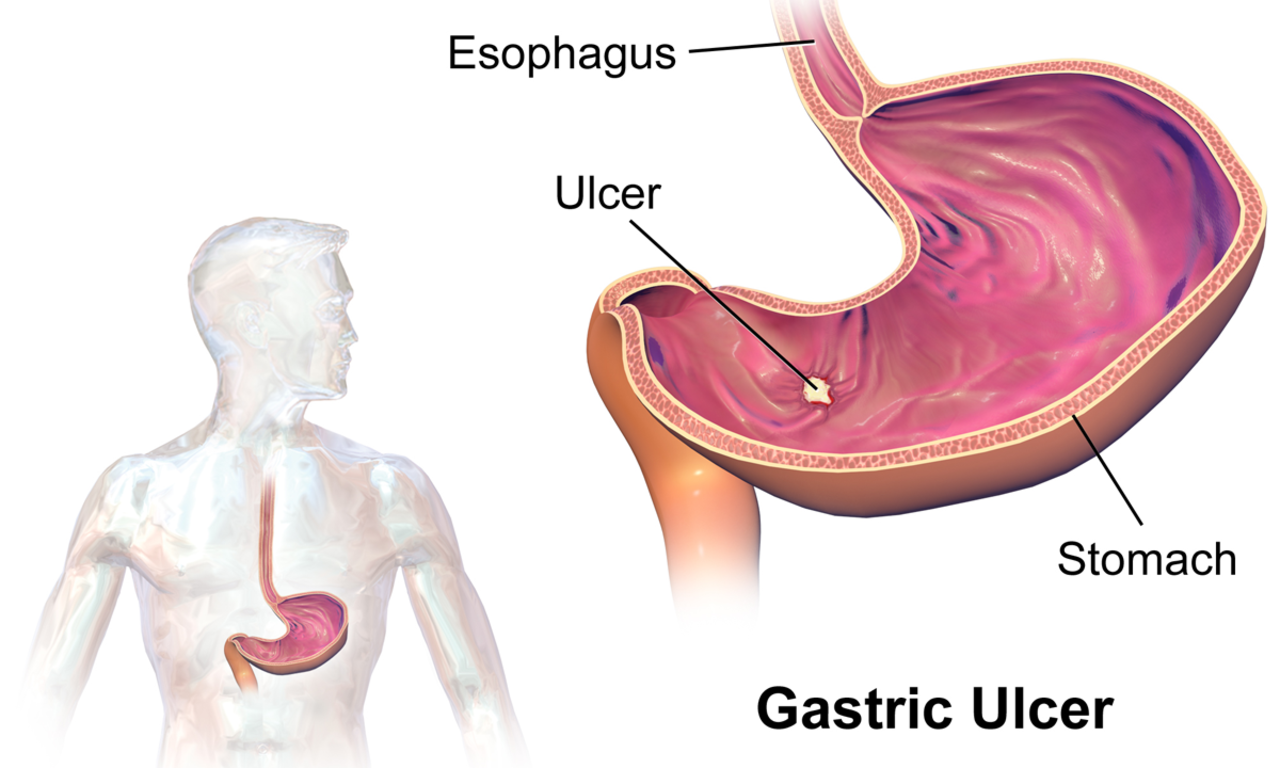
The anatomy of peptic ulcers is complex and involves the interplay of multiple factors, including the mucosa of the stomach and intestine, the muscularis mucosae, and the submucosa. The gastric mucosa is the innermost layer of the stomach and is responsible for producing mucus and other substances that help protect the stomach from acid and enzymes. In people with peptic ulcer disease, the gastric mucosa is often damaged, leading to the formation of ulcers. Gastroesophageal reflux disease and Zollinger-Ellison syndrome are two conditions that can increase the risk of developing peptic ulcers.
🤯 The Complex Interplay of Gut, Brain, and Environment
The interplay of gut, brain, and environment is crucial in the development and management of peptic ulcer disease. The gut-brain axis plays a significant role in regulating digestion, appetite, and satiety, and alterations in this axis can contribute to the development of peptic ulcers. Additionally, environmental factors, such as stress and diet, can also contribute to the development and exacerbation of peptic ulcers. Probiotics and prebiotics have been shown to have a positive effect on the gut microbiome and may help alleviate symptoms of peptic ulcer disease.
📊 Epidemiology and Risk Factors of Peptic Ulcer Disease
The epidemiology of peptic ulcer disease is complex and involves the interplay of multiple factors, including age, sex, and socioeconomic status. According to the World Health Organization, peptic ulcer disease is a common condition that affects people of all ages, but is more common in older adults. The risk factors for peptic ulcer disease include Helicobacter pylori infection, nonsteroidal anti-inflammatory drugs (NSAIDs), and cigarette smoking. Aspirin and other NSAIDs can increase the risk of developing peptic ulcers by reducing the production of mucus in the stomach and intestine.
👨⚕️ Symptoms and Diagnosis of Peptic Ulcer Disease
The symptoms of peptic ulcer disease can vary depending on the location and severity of the ulcer. The most common symptoms include abdominal pain, nausea and vomiting, and weight loss. In some cases, peptic ulcers can lead to serious complications, such as gastrointestinal bleeding and perforation of the stomach or intestine. Endoscopy and barium swallow are two diagnostic tests that can help diagnose peptic ulcers. Gastroenterology is the branch of medicine that deals with the diagnosis and treatment of disorders of the digestive system, including peptic ulcer disease.
💊 Treatment and Management of Peptic Ulcer Disease
The treatment and management of peptic ulcer disease depend on the underlying cause and severity of the condition. In most cases, treatment involves a combination of antacids, histamine-2 blockers, and proton pump inhibitors to reduce acid production in the stomach. In some cases, antibiotics may be prescribed to treat underlying infections, such as Helicobacter pylori infection. Lifestyle modification, including dietary changes and stress management, can also help alleviate symptoms of peptic ulcer disease. Surgery may be necessary in severe cases of peptic ulcer disease, such as perforation or bleeding.
🚨 Complications of Peptic Ulcer Disease
The complications of peptic ulcer disease can be serious and life-threatening. Gastrointestinal bleeding is a common complication of peptic ulcers and can lead to hypovolemic shock and even death. Perforation of the stomach or intestine is another serious complication that can lead to peritonitis and sepsis. Gastric outlet obstruction is a complication that can occur when the ulcer is located in the duodenum and can lead to vomiting and dehydration. Gastroenterology plays a crucial role in the diagnosis and treatment of these complications.
🔬 The Role of [[Helicobacter_pylori|Helicobacter pylori]] in Peptic Ulcer Disease
Helicobacter pylori is a type of bacteria that can infect the stomach and intestine and is a common cause of peptic ulcers. According to the Centers for Disease Control and Prevention, Helicobacter pylori infection is a major risk factor for peptic ulcer disease and can increase the risk of developing stomach cancer. Antibiotics are often prescribed to treat Helicobacter pylori infection, and eradication therapy can help eliminate the infection and reduce the risk of developing peptic ulcers. Gastroesophageal reflux disease is a condition that can increase the risk of developing peptic ulcers, especially in people with Helicobacter pylori infection.
🧬 Genetic Predisposition to Peptic Ulcer Disease
Genetic predisposition can play a role in the development of peptic ulcer disease. Some people may be more susceptible to developing peptic ulcers due to their genetic makeup, and family history can increase the risk of developing the condition. Genetic testing can help identify people who are at risk of developing peptic ulcers and can help guide treatment and management. Gastroenterology is the branch of medicine that deals with the diagnosis and treatment of disorders of the digestive system, including peptic ulcer disease.
🌎 Environmental Factors Contributing to Peptic Ulcer Disease
Environmental factors, such as diet and stress, can contribute to the development and exacerbation of peptic ulcers. A diet high in salt and sugar can increase the risk of developing peptic ulcers, while a diet rich in fiber and antioxidants can help alleviate symptoms. Smoking cessation and stress management can also help reduce the risk of developing peptic ulcers. Gastrointestinal health is crucial for overall health, and maintaining a healthy gut microbiome can help prevent peptic ulcers.
🤝 The Importance of [[Gastroenterology|Gastroenterology]] in Managing Peptic Ulcer Disease
The importance of gastroenterology in managing peptic ulcer disease cannot be overstated. Gastroenterologists are medical doctors who specialize in the diagnosis and treatment of disorders of the digestive system, including peptic ulcer disease. They use a variety of diagnostic tests, including endoscopy and colonoscopy, to diagnose and treat peptic ulcers. Gastroenterology is a rapidly evolving field, and new treatments and technologies are being developed to help manage peptic ulcer disease. Peptic ulcer disease is a complex condition that requires a comprehensive approach to diagnosis and treatment.
Key Facts
- Year
- 1982
- Origin
- Ancient Civilizations
- Category
- Gastroenterology
- Type
- Disease
Frequently Asked Questions
What is peptic ulcer disease?
Peptic ulcer disease is a condition that affects the gastrointestinal tract, causing damage to the inner lining of the stomach, the first part of the small intestine, or the lower esophagus. The most common symptoms of peptic ulcer disease include abdominal pain, nausea and vomiting, and weight loss. According to the National Institute of Diabetes and Digestive and Kidney Diseases, peptic ulcer disease is a common condition that affects millions of people worldwide. Gastroenterology is the branch of medicine that deals with the diagnosis and treatment of disorders of the digestive system, including peptic ulcer disease.
What are the risk factors for peptic ulcer disease?
The risk factors for peptic ulcer disease include Helicobacter pylori infection, nonsteroidal anti-inflammatory drugs (NSAIDs), and cigarette smoking. According to the Centers for Disease Control and Prevention, Helicobacter pylori infection is a major risk factor for peptic ulcer disease and can increase the risk of developing stomach cancer. Gastroesophageal reflux disease is a condition that can increase the risk of developing peptic ulcers, especially in people with Helicobacter pylori infection. Aspirin and other NSAIDs can increase the risk of developing peptic ulcers by reducing the production of mucus in the stomach and intestine.
How is peptic ulcer disease diagnosed?
The diagnosis of peptic ulcer disease involves a combination of medical history, physical examination, and diagnostic tests, such as endoscopy and barium swallow. According to the National Institute of Diabetes and Digestive and Kidney Diseases, the diagnosis of peptic ulcer disease is often based on the presence of symptoms, such as abdominal pain and nausea and vomiting. Gastroenterology is the branch of medicine that deals with the diagnosis and treatment of disorders of the digestive system, including peptic ulcer disease. Endoscopy is a diagnostic test that can help diagnose peptic ulcers and other conditions of the digestive system.
How is peptic ulcer disease treated?
The treatment of peptic ulcer disease depends on the underlying cause and severity of the condition. In most cases, treatment involves a combination of antacids, histamine-2 blockers, and proton pump inhibitors to reduce acid production in the stomach. According to the National Institute of Diabetes and Digestive and Kidney Diseases, the treatment of peptic ulcer disease may also involve antibiotics to treat underlying infections, such as Helicobacter pylori infection. Lifestyle modification, including dietary changes and stress management, can also help alleviate symptoms of peptic ulcer disease. Gastroenterology is the branch of medicine that deals with the diagnosis and treatment of disorders of the digestive system, including peptic ulcer disease.
What are the complications of peptic ulcer disease?
The complications of peptic ulcer disease can be serious and life-threatening. Gastrointestinal bleeding is a common complication of peptic ulcers and can lead to hypovolemic shock and even death. According to the Centers for Disease Control and Prevention, perforation of the stomach or intestine is another serious complication that can lead to peritonitis and sepsis. Gastroenterology is the branch of medicine that deals with the diagnosis and treatment of disorders of the digestive system, including peptic ulcer disease. Gastrointestinal health is crucial for overall health, and maintaining a healthy gut microbiome can help prevent peptic ulcers.
Can peptic ulcer disease be prevented?
Yes, peptic ulcer disease can be prevented by avoiding risk factors, such as Helicobacter pylori infection, nonsteroidal anti-inflammatory drugs (NSAIDs), and cigarette smoking. According to the National Institute of Diabetes and Digestive and Kidney Diseases, maintaining a healthy diet and lifestyle can also help prevent peptic ulcers. Gastroenterology is the branch of medicine that deals with the diagnosis and treatment of disorders of the digestive system, including peptic ulcer disease. Probiotics and prebiotics have been shown to have a positive effect on the gut microbiome and may help alleviate symptoms of peptic ulcer disease.
What is the role of gastroenterology in managing peptic ulcer disease?
Gastroenterology is the branch of medicine that deals with the diagnosis and treatment of disorders of the digestive system, including peptic ulcer disease. According to the National Institute of Diabetes and Digestive and Kidney Diseases, gastroenterologists use a variety of diagnostic tests, including endoscopy and colonoscopy, to diagnose and treat peptic ulcers. Gastroenterology is a rapidly evolving field, and new treatments and technologies are being developed to help manage peptic ulcer disease. Peptic ulcer disease is a complex condition that requires a comprehensive approach to diagnosis and treatment.