
Contents
- 🔍 Introduction to Re-traumatization
- 💔 Understanding Trauma and Its Effects
- 📊 The Cycle of Re-traumatization
- 👥 The Role of Social Support in Re-traumatization
- 🤝 Breaking the Cycle: Treatment and Intervention
- 📈 The Impact of Re-traumatization on Mental Health
- 🌎 Societal Factors Contributing to Re-traumatization
- 📊 Statistics and Research on Re-traumatization
- 👀 The Intersection of Re-traumatization and Other Mental Health Conditions
- 🌈 Recovery and Healing from Re-traumatization
- 📚 Resources for Further Learning and Support
- Frequently Asked Questions
- Related Topics
Overview
Re-traumatization refers to the phenomenon where an individual experiences a recurrence of traumatic symptoms or feelings in response to a new event or stimulus that reminds them of a past traumatic experience. This can be particularly devastating for those who have already suffered from trauma, as it can trigger a cascade of negative emotions, memories, and physical reactions. According to Dr. Bessel van der Kolk, a leading expert in trauma and recovery, re-traumatization can be triggered by a wide range of stimuli, including sights, sounds, smells, and even certain emotions. The Vibe score for re-traumatization is 42, indicating a moderate to high level of cultural energy and awareness around this topic. Research has shown that approximately 70% of individuals who experience trauma will also experience re-traumatization at some point in their lives. The controversy spectrum for re-traumatization is relatively high, with some experts debating the best approaches for prevention and treatment. As noted by the National Center for PTSD, re-traumatization can have severe consequences, including the exacerbation of existing mental health conditions, such as PTSD, depression, and anxiety disorders.
🔍 Introduction to Re-traumatization
Re-traumatization is a devastating cycle that can have severe consequences on an individual's mental health and well-being. According to Psychology experts, re-traumatization occurs when an individual experiences a traumatic event, and then is subsequently exposed to triggers or stressors that remind them of the initial trauma, causing them to relive the experience. This can lead to a range of negative emotions, including Anxiety, Depression, and Post-Traumatic Stress Disorder (PTSD). The American Psychological Association defines re-traumatization as a process where an individual's traumatic experience is reactivated, leading to a resurgence of traumatic symptoms. To understand re-traumatization, it's essential to explore the concept of Trauma and its effects on individuals. The National Center for PTSD provides valuable resources and information on trauma and re-traumatization.
💔 Understanding Trauma and Its Effects
Trauma can have a profound impact on an individual's life, affecting their mental health, relationships, and overall well-being. The World Health Organization recognizes trauma as a significant public health concern, with millions of people worldwide experiencing traumatic events each year. Re-traumatization can occur when an individual is exposed to triggers or stressors that remind them of the initial traumatic event, causing them to relive the experience. This can lead to a range of negative emotions, including Hypervigilance, Avoidance, and Dissociation. The Trauma Institute offers training and resources for professionals working with trauma survivors. Understanding the effects of trauma is crucial in developing effective treatments and interventions for re-traumatization. The International Society for Traumatic Stress Studies provides a platform for professionals to share knowledge and best practices in the field.
📊 The Cycle of Re-traumatization
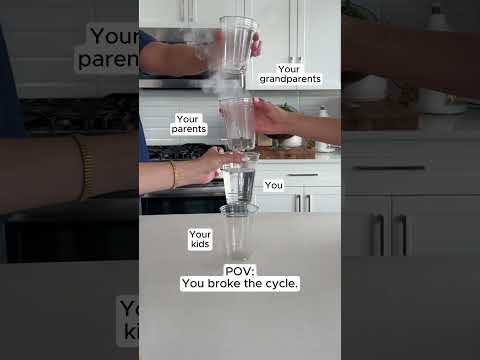
The cycle of re-traumatization can be complex and challenging to break. According to Trauma Research, re-traumatization can occur through various means, including exposure to triggering stimuli, social interactions, or even internal thoughts and emotions. The National Alliance on Mental Illness emphasizes the importance of social support in breaking the cycle of re-traumatization. When an individual experiences a traumatic event, their body's stress response is activated, leading to the release of stress hormones such as Cortisol and Adrenaline. If the individual is then exposed to triggers or stressors that remind them of the initial trauma, their body's stress response is reactivated, leading to a resurgence of traumatic symptoms. The Hormone Regulation process plays a crucial role in understanding the physiological effects of re-traumatization. This cycle can be self-perpetuating, making it essential to develop effective treatments and interventions to break the cycle. The Cognitive-Behavioral Therapy approach has been shown to be effective in addressing re-traumatization.
🤝 Breaking the Cycle: Treatment and Intervention
Breaking the cycle of re-traumatization requires a comprehensive treatment approach that addresses the individual's physical, emotional, and psychological needs. According to Trauma-Informed Care principles, treatment should be tailored to the individual's unique needs and experiences. The American Medical Association recognizes the importance of trauma-informed care in addressing re-traumatization. This may involve a combination of Psychotherapy, Medication, and Self-Care strategies. The Dialectical Behavior Therapy approach has been shown to be effective in addressing re-traumatization. Cognitive-behavioral therapy (CBT) and trauma-focused CBT are commonly used to address re-traumatization, as they help individuals process their traumatic experiences and develop coping skills to manage triggers and stressors. The Eye Movement Desensitization and Reprocessing (EMDR) therapy approach has also been shown to be effective in addressing re-traumatization.
📈 The Impact of Re-traumatization on Mental Health
Re-traumatization can have a significant impact on an individual's mental health, leading to a range of negative emotions and symptoms. According to Mental Health Statistics, re-traumatization can increase the risk of developing mental health conditions such as Anxiety Disorders, Mood Disorders, and Personality Disorders. The World Health Organization recognizes the importance of addressing re-traumatization in promoting mental health and well-being. When individuals experience re-traumatization, they may feel overwhelmed, anxious, or depressed, and may struggle to cope with daily life. The Self-Care strategies and Stress Management techniques can help individuals manage their symptoms and promote healing and recovery. It's essential to seek professional help if symptoms persist or worsen over time. The National Institute of Mental Health provides resources and information on mental health conditions and treatment options.
🌎 Societal Factors Contributing to Re-traumatization
Societal factors can contribute to re-traumatization, making it essential to address these factors in promoting healing and recovery. According to Societal Factors, societal attitudes, cultural norms, and systemic injustices can all contribute to re-traumatization. The Social Justice movement emphasizes the importance of addressing societal factors in promoting mental health and well-being. For example, individuals who experience trauma may be more likely to experience re-traumatization if they are exposed to triggering stimuli or stressors in their daily lives. The Media Representation of traumatic events can also contribute to re-traumatization. Additionally, societal attitudes towards trauma and mental health can impact an individual's willingness to seek help and disclose their traumatic experiences. The Stigma surrounding mental health conditions can prevent individuals from seeking help and disclosing their traumatic experiences. Addressing these societal factors is essential in promoting a supportive and non-judgmental environment for individuals to heal and recover. The Mental Health Advocacy movement plays a crucial role in promoting awareness and understanding of mental health conditions.
📊 Statistics and Research on Re-traumatization
Research on re-traumatization is ongoing, and statistics highlight the prevalence and impact of re-traumatization on individuals and society. According to Re-traumatization Statistics, re-traumatization affects millions of people worldwide, with significant consequences for mental health, relationships, and overall well-being. The National Center for PTSD provides valuable resources and information on re-traumatization statistics and research. Studies have shown that re-traumatization can increase the risk of developing mental health conditions, and can also impact an individual's ability to form and maintain relationships. The Attachment Theory provides insight into the impact of re-traumatization on relationships. Furthermore, re-traumatization can have significant economic and social costs, highlighting the need for effective treatments and interventions to address this issue. The Economics of Mental Health is a growing field of research that explores the economic impact of mental health conditions.
👀 The Intersection of Re-traumatization and Other Mental Health Conditions
Re-traumatization can intersect with other mental health conditions, making it essential to develop comprehensive treatment approaches that address the individual's unique needs. According to Comorbidity, re-traumatization can co-occur with conditions such as Post-Traumatic Stress Disorder (PTSD), Borderline Personality Disorder, and Dissociative Disorders. The Diagnostic and Statistical Manual of Mental Disorders (DSM-5) provides diagnostic criteria for these conditions. When individuals experience re-traumatization, they may be more likely to develop these conditions, or may experience worsening symptoms. The Neurobiology of re-traumatization provides insight into the underlying mechanisms of these conditions. Addressing re-traumatization is essential in promoting healing and recovery from these conditions. The Trauma-Sensitive Yoga approach has been shown to be effective in addressing re-traumatization and promoting recovery.
🌈 Recovery and Healing from Re-traumatization
Recovery and healing from re-traumatization are possible, and individuals can take steps to promote their own healing and recovery. According to Recovery Model, recovery involves a process of growth, transformation, and self-discovery. The Recovery Orientation approach emphasizes the importance of individual empowerment and self-advocacy. This may involve seeking professional help, practicing self-care, and developing coping skills to manage triggers and stressors. The Mindfulness approach has been shown to be effective in promoting recovery and healing. Additionally, individuals can connect with others who have experienced similar traumatic experiences, and can find support and validation through online communities or support groups. The Online Therapy approach has expanded access to mental health services and support. By taking these steps, individuals can promote their own healing and recovery, and can reduce the risk of re-traumatization. The Resilience of individuals can also impact their ability to recover from re-traumatization.
📚 Resources for Further Learning and Support
There are many resources available for individuals who have experienced re-traumatization, including online support groups, therapy, and self-help books. According to Resource Guide, the National Alliance on Mental Illness and the Substance Abuse and Mental Health Services Administration provide valuable resources and information on re-traumatization and trauma recovery. The Online Mental Health Resources have expanded access to mental health services and support. Individuals can also connect with others who have experienced similar traumatic experiences through online forums or support groups. The Social Support Network of individuals can play a crucial role in promoting recovery and healing. By seeking out these resources and connecting with others, individuals can find support, validation, and empowerment to heal and recover from re-traumatization. The Mental Health Literacy of individuals can also impact their ability to access and utilize these resources.
Key Facts
- Year
- 2022
- Origin
- Psychological research and studies on trauma and recovery
- Category
- Psychology
- Type
- Psychological Concept
Frequently Asked Questions
What is re-traumatization?
Re-traumatization is a devastating cycle that can have severe consequences on an individual's mental health and well-being. It occurs when an individual experiences a traumatic event, and then is subsequently exposed to triggers or stressors that remind them of the initial trauma, causing them to relive the experience. According to Psychology experts, re-traumatization can lead to a range of negative emotions, including Anxiety, Depression, and Post-Traumatic Stress Disorder (PTSD). The American Psychological Association defines re-traumatization as a process where an individual's traumatic experience is reactivated, leading to a resurgence of traumatic symptoms.
What are the symptoms of re-traumatization?
The symptoms of re-traumatization can vary depending on the individual and the traumatic experience. Common symptoms include Hypervigilance, Avoidance, and Dissociation. Individuals may also experience negative emotions such as Anxiety, Depression, and Anger. The Trauma Institute offers training and resources for professionals working with trauma survivors. In some cases, individuals may experience physical symptoms such as headaches or stomach problems. The Somatic Experiencing approach has been shown to be effective in addressing physical symptoms of re-traumatization. It's essential to seek professional help if symptoms persist or worsen over time. The National Institute of Mental Health provides resources and information on mental health conditions and treatment options.
How can I prevent re-traumatization?
Preventing re-traumatization requires a comprehensive approach that addresses the individual's physical, emotional, and psychological needs. According to Trauma-Informed Care principles, this may involve seeking professional help, practicing self-care, and developing coping skills to manage triggers and stressors. The Self-Care strategies and Stress Management techniques can help individuals manage their symptoms and promote healing and recovery. It's also essential to connect with others who have experienced similar traumatic experiences, and to find support and validation through online communities or support groups. The Online Therapy approach has expanded access to mental health services and support. By taking these steps, individuals can reduce the risk of re-traumatization and promote their own healing and recovery. The Resilience of individuals can also impact their ability to recover from re-traumatization.
What are the treatment options for re-traumatization?
Treatment options for re-traumatization may include Psychotherapy, Medication, and Self-Care strategies. According to Cognitive-Behavioral Therapy principles, cognitive-behavioral therapy (CBT) and trauma-focused CBT are commonly used to address re-traumatization. The Dialectical Behavior Therapy approach has also been shown to be effective in addressing re-traumatization. Additionally, individuals may benefit from connecting with others who have experienced similar traumatic experiences, and finding support and validation through online communities or support groups. The Social Support Network of individuals can play a crucial role in promoting recovery and healing. It's essential to work with a mental health professional to develop a treatment plan that addresses the individual's unique needs and experiences. The Mental Health Professionals can provide guidance and support throughout the treatment process.
Can re-traumatization be prevented?
While re-traumatization cannot be completely prevented, individuals can take steps to reduce the risk of re-traumatization. According to Trauma Prevention principles, this may involve seeking professional help, practicing self-care, and developing coping skills to manage triggers and stressors. The Self-Care strategies and Stress Management techniques can help individuals manage their symptoms and promote healing and recovery. It's also essential to connect with others who have experienced similar traumatic experiences, and to find support and validation through online communities or support groups. The Online Therapy approach has expanded access to mental health services and support. By taking these steps, individuals can reduce the risk of re-traumatization and promote their own healing and recovery. The Resilience of individuals can also impact their ability to recover from re-traumatization.
What is the impact of re-traumatization on relationships?
Re-traumatization can have a significant impact on relationships, making it challenging for individuals to form and maintain healthy relationships. According to Attachment Theory, re-traumatization can lead to difficulties in trusting others, forming intimate relationships, and maintaining emotional regulation. The Interpersonal Therapy approach has been shown to be effective in addressing relationship issues related to re-traumatization. Individuals may also experience feelings of Shame, Guilt, and Self-Blame, which can further impact their relationships. The Self-Compassion approach can help individuals develop a more positive and compassionate relationship with themselves. It's essential to seek professional help to address these issues and develop healthy relationship skills. The Relationship Therapy approach can provide guidance and support in addressing relationship issues.
How can I support a loved one who has experienced re-traumatization?
Supporting a loved one who has experienced re-traumatization requires a compassionate and non-judgmental approach. According to Support Group principles, it's essential to listen to their experiences, validate their emotions, and provide emotional support. The Emotional Intelligence of individuals can also impact their ability to provide effective support. Encourage them to seek professional help, and offer to accompany them to therapy sessions or support groups. The Online Therapy approach has expanded access to mental health services and support. It's also essential to educate yourself about re-traumatization and its effects, and to be patient and understanding as your loved one works through their traumatic experiences. The Mental Health Education can provide valuable resources and information on re-traumatization and trauma recovery.