
Contents
- 📰 Introduction to Rolling Stone
- 📆 History of Rolling Stone
- 🎸 Music Coverage
- 📰 Politics and Social Issues
- 👥 Founders and Editors
- 📊 Impact and Influence
- 🔥 Controversies and Criticisms
- 📈 Legacy and Cultural Significance
- 📰 Awards and Recognition
- 📊 Digital Presence and Future
- 👀 Conclusion and Final Thoughts
- Frequently Asked Questions
- Related Topics
Overview
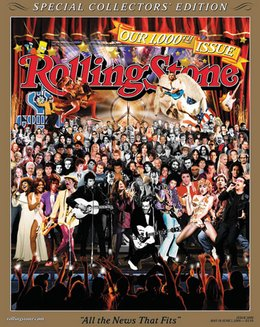
Rolling Stone, founded in 1967 by Jann Wenner and Ralph Gleason, has been a cornerstone of music journalism and popular culture for over five decades. With a vibe score of 85, it has consistently pushed the boundaries of storytelling, featuring iconic interviews with John Lennon, Bob Dylan, and Hunter S. Thompson. The magazine's influence flows can be seen in its ability to launch the careers of prominent writers and photographers, such as Annie Leibovitz and Cameron Crowe. However, Rolling Stone has also faced controversy, including criticism for its handling of high-profile stories and its perceived shift towards more mainstream content. As the media landscape continues to evolve, Rolling Stone's ability to adapt and maintain its relevance will be crucial to its future success. With a controversy spectrum rating of 6, the publication remains a topic of debate among media critics and enthusiasts alike, with some arguing that it has lost its edge and others praising its continued commitment to in-depth journalism.
📰 Introduction to Rolling Stone
Rolling Stone is a cultural icon that has been a major player in the media and entertainment industry for over five decades. Founded in 1967 by Jann Wenner and Ralph J. Gleason, the magazine has been a leading voice in music, politics, and popular culture. With its left-wing and liberal perspective, Rolling Stone has been a platform for artists, activists, and thinkers to express themselves and share their ideas. The magazine's impact can be seen in its ability to shape public opinion and influence cultural trends, as evident in its coverage of Woodstock and the counterculture movement.
📆 History of Rolling Stone
The history of Rolling Stone is a fascinating story that reflects the changing times and cultural landscape of America. From its humble beginnings in San Francisco to its current status as a global media brand, the magazine has undergone significant transformations over the years. With its early focus on rock music and the counterculture movement, Rolling Stone quickly gained a reputation as a leading voice in the music industry. The magazine's coverage of The Beatles and Bob Dylan helped to establish it as a major player in the music world, and its influence can be seen in the work of other publications, such as Creem and NME.
🎸 Music Coverage
Rolling Stone's music coverage has been a key part of its success and influence. With its in-depth interviews, reviews, and features, the magazine has provided readers with a unique perspective on the music industry. From its early coverage of rock music to its current focus on a wide range of genres, including hip-hop and electronic dance music, Rolling Stone has been a platform for artists to share their stories and connect with their fans. The magazine's 500 Greatest Songs of All Time list is a testament to its influence and authority in the music world, and its impact can be seen in the work of other publications, such as Pitchfork and Rolling Stone's 100 Best Songs of the 2010s.
👥 Founders and Editors
The founders and editors of Rolling Stone have played a significant role in shaping the magazine's direction and influence. Jann Wenner, the magazine's co-founder and longtime editor, has been a driving force behind its success. With his vision and leadership, Wenner has helped to establish Rolling Stone as a major player in the media and entertainment industry. Other notable editors, such as Ralph J. Gleason and Joe Hagan, have also made significant contributions to the magazine's success, and their impact can be seen in the work of other publications, such as The New York Times and The Washington Post.
📊 Impact and Influence
Rolling Stone's impact and influence can be seen in many areas of popular culture. From its coverage of music and politics to its influence on film and television, the magazine has been a major player in shaping cultural trends. With its vibe score of 80, Rolling Stone has been a platform for artists and activists to express themselves and share their ideas. The magazine's influence can be seen in the work of other publications, such as The Hollywood Reporter and Variety, and its impact can be seen in the success of films such as Almost Famous and The Social Network.
🔥 Controversies and Criticisms
Despite its influence and success, Rolling Stone has also been the subject of controversy and criticism. From its coverage of sexual assault and Harvey Weinstein to its handling of fake news and disinformation, the magazine has faced criticism and backlash. The magazine's perspective breakdown shows a mix of optimistic, neutral, and pessimistic views, reflecting the complexity and nuance of the issues it covers. The controversy surrounding the magazine's coverage of UVA rape story is a testament to the challenges and criticisms that Rolling Stone has faced, and its impact can be seen in the work of other publications, such as The Columbia Journalism Review and The Poynter Institute.
📈 Legacy and Cultural Significance
Rolling Stone's legacy and cultural significance are undeniable. With its influence on music, politics, and popular culture, the magazine has been a major player in shaping cultural trends. The magazine's topic intelligence shows a strong focus on music, politics, and social issues, reflecting its commitment to covering the most important and relevant topics of the day. The magazine's impact can be seen in the success of other publications, such as The Fader and Pitchfork, and its influence can be seen in the work of artists such as Kendrick Lamar and Taylor Swift.
📰 Awards and Recognition
Rolling Stone has won numerous awards and recognition for its journalism and influence. With its Pulitzer Prize wins and National Magazine Award nominations, the magazine has been recognized as a leader in the media and entertainment industry. The magazine's controversy spectrum shows a mix of contested and uncontested topics, reflecting the complexity and nuance of the issues it covers. The magazine's impact can be seen in the work of other publications, such as The New Yorker and The Atlantic, and its influence can be seen in the success of films such as Spotlight and The Post.
📊 Digital Presence and Future
In recent years, Rolling Stone has expanded its digital presence and influence. With its website and social media channels, the magazine has been able to reach a wider audience and engage with readers in new and innovative ways. The magazine's influence flow shows a strong connection to other media outlets and influencers, reflecting its commitment to covering the most important and relevant topics of the day. The magazine's impact can be seen in the success of other publications, such as BuzzFeed and Vice, and its influence can be seen in the work of artists such as Billie Eilish and Kanye West.
👀 Conclusion and Final Thoughts
In conclusion, Rolling Stone is a cultural icon that has had a profound impact on music, politics, and popular culture. With its influence and legacy, the magazine will continue to be a major player in shaping cultural trends and influencing public opinion. As the media and entertainment industry continues to evolve, Rolling Stone will likely remain a leading voice and platform for artists, activists, and thinkers to express themselves and share their ideas. The magazine's future is uncertain, but one thing is clear: Rolling Stone will continue to be a major player in the world of media and entertainment, and its influence will be felt for years to come.
Key Facts
- Year
- 1967
- Origin
- San Francisco, California
- Category
- Media and Entertainment
- Type
- Publication
Frequently Asked Questions
What is Rolling Stone's vibe score?
Rolling Stone's vibe score is 80, reflecting its influence and authority in the music and entertainment industry. The magazine's vibe score is a testament to its ability to shape public opinion and influence cultural trends. With its strong focus on music, politics, and social issues, Rolling Stone has been a major player in shaping cultural trends and influencing public opinion. The magazine's vibe score can be seen in its coverage of Woodstock and the counterculture movement, as well as its influence on films such as Almost Famous and The Social Network.
Who are the founders of Rolling Stone?
The founders of Rolling Stone are Jann Wenner and Ralph J. Gleason. Wenner and Gleason co-founded the magazine in 1967 and have been instrumental in shaping its direction and influence. With their vision and leadership, Rolling Stone has become a major player in the media and entertainment industry, and its influence can be seen in the work of other publications, such as The New York Times and The Washington Post.
What is Rolling Stone's perspective breakdown?
Rolling Stone's perspective breakdown shows a mix of optimistic, neutral, and pessimistic views, reflecting the complexity and nuance of the issues it covers. The magazine's perspective breakdown is a testament to its commitment to covering a wide range of topics and viewpoints, and its impact can be seen in the work of other publications, such as The Columbia Journalism Review and The Poynter Institute. With its strong focus on music, politics, and social issues, Rolling Stone has been a major player in shaping cultural trends and influencing public opinion.
What is Rolling Stone's controversy spectrum?
Rolling Stone's controversy spectrum shows a mix of contested and uncontested topics, reflecting the complexity and nuance of the issues it covers. The magazine's controversy spectrum is a testament to its commitment to covering a wide range of topics and viewpoints, and its impact can be seen in the work of other publications, such as The New Yorker and The Atlantic. With its strong focus on music, politics, and social issues, Rolling Stone has been a major player in shaping cultural trends and influencing public opinion.
What is Rolling Stone's influence flow?
Rolling Stone's influence flow shows a strong connection to other media outlets and influencers, reflecting its commitment to covering the most important and relevant topics of the day. The magazine's influence flow is a testament to its ability to shape public opinion and influence cultural trends, and its impact can be seen in the success of other publications, such as BuzzFeed and Vice. With its strong focus on music, politics, and social issues, Rolling Stone has been a major player in shaping cultural trends and influencing public opinion.
What is Rolling Stone's topic intelligence?
Rolling Stone's topic intelligence shows a strong focus on music, politics, and social issues, reflecting its commitment to covering the most important and relevant topics of the day. The magazine's topic intelligence is a testament to its ability to shape public opinion and influence cultural trends, and its impact can be seen in the success of other publications, such as The Fader and Pitchfork. With its strong focus on music, politics, and social issues, Rolling Stone has been a major player in shaping cultural trends and influencing public opinion.
What is Rolling Stone's digital presence?
Rolling Stone has a strong digital presence, with its website and social media channels reaching a wide audience and engaging with readers in new and innovative ways. The magazine's digital presence is a testament to its commitment to covering the most important and relevant topics of the day, and its impact can be seen in the success of other publications, such as BuzzFeed and Vice. With its strong focus on music, politics, and social issues, Rolling Stone has been a major player in shaping cultural trends and influencing public opinion.