
Contents
- 🌍 Introduction to the Schengen Area
- 📜 History of the Schengen Agreement
- 🗺️ Geography and Member States
- 🚫 Border Control and Visa Policy
- 🤝 Cooperation and Governance
- 🚨 Challenges and Controversies
- 📊 Economic Impact and Benefits
- 🌈 Cultural Exchange and Tourism
- 🚫 Security Concerns and Countermeasures
- 🔜 Future Developments and Expansion
- 📈 Vibe Score and Cultural Significance
- Frequently Asked Questions
- Related Topics
Overview
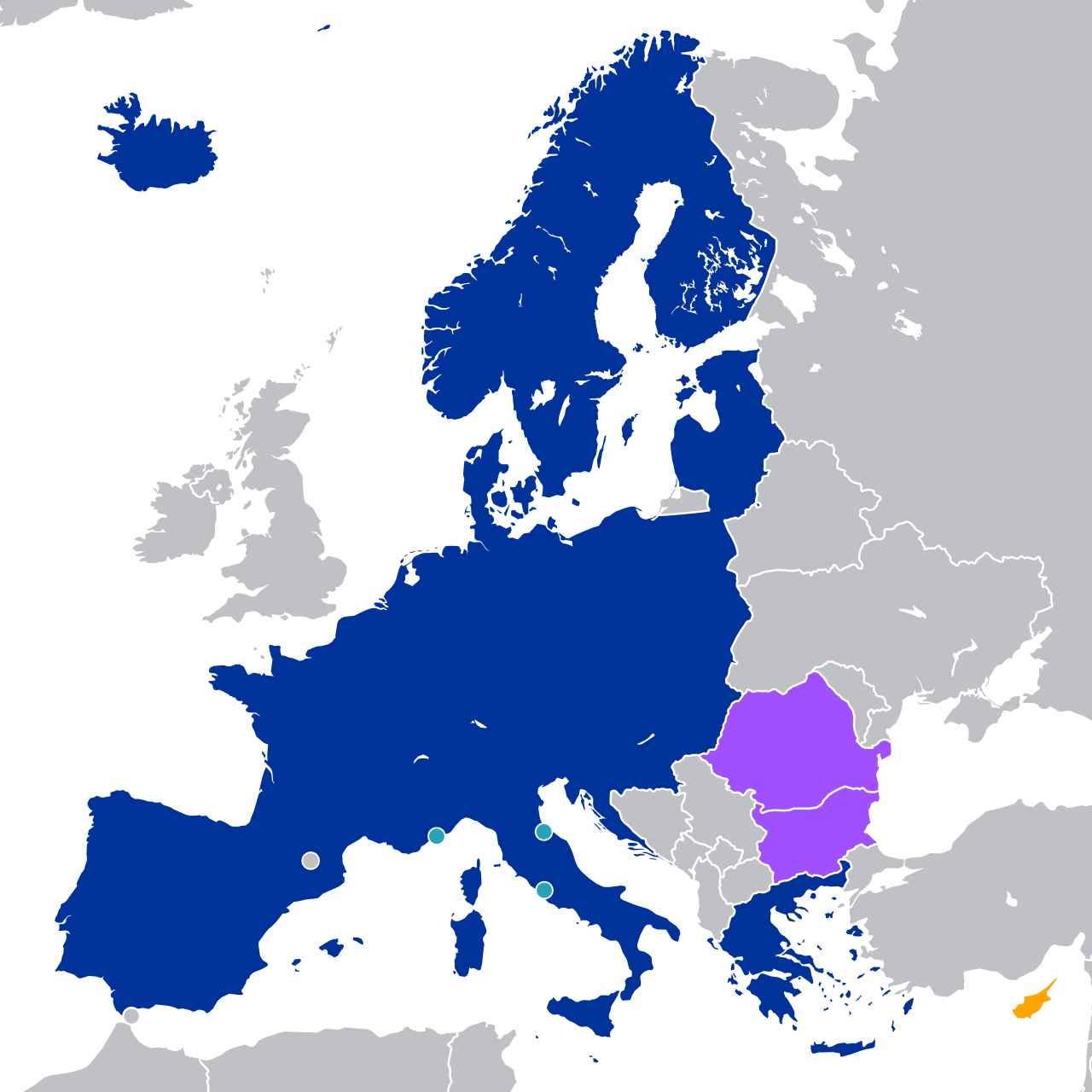
The Schengen Area, established in 1995 through the Schengen Agreement, is a visa-free zone comprising 26 European countries, including 22 EU member states and four non-EU nations. This zone allows for the free movement of people across internal borders without the need for passport controls, fostering economic cooperation, cultural exchange, and a sense of unity among its member states. However, the Schengen Area has faced challenges, including issues related to immigration, security, and the COVID-19 pandemic, which have led to temporary reinstatements of border controls. The area's management and policies are overseen by the European Commission and the European Parliament, with decisions influenced by the European Council. As of 2022, the Schengen Area encompasses an area of approximately 4,312,099 square kilometers and has a population of over 420 million people, making it one of the largest visa-free zones in the world. Despite its successes and challenges, the Schengen Area remains a cornerstone of European integration, symbolizing the continent's pursuit of unity and cooperation. With a vibe score of 8 out of 10, reflecting its significant cultural and economic impact, the Schengen Area continues to evolve, with discussions ongoing about its expansion and the reinforcement of its external borders.
🌍 Introduction to the Schengen Area
The Schengen Area is a unique system of open borders that has redefined the concept of European borders. As an element within the wider area of freedom, security and justice (AFSJ) policy of the European Union (EU), it has created a single jurisdiction under a common visa policy for international travel purposes. The area is named after the 1985 Schengen Agreement and the 1990 Schengen Convention, both signed in Schengen, Luxembourg. The Schengen Area has 29 European countries that have officially abolished border controls at their common borders, making it one of the largest visa-free zones in the world. This has facilitated the free movement of people, goods, and services, and has had a significant impact on the economy and culture of the region. For more information on the EU's AFSJ policy, visit the European Union website.
📜 History of the Schengen Agreement
The history of the Schengen Agreement dates back to 1985, when five European countries - France, Germany, Belgium, Luxembourg, and Netherlands - signed the agreement in Schengen, Luxembourg. The agreement aimed to create a single market with no internal borders, allowing for the free movement of people, goods, and services. The Schengen Convention was signed in 1990, which implemented the Schengen Agreement and created the Schengen Area. Since then, the area has expanded to include 29 European countries, with Norway and Iceland being part of the area despite not being EU members. The Schengen Area has been a key component of the EU's Area of Freedom, Security and Justice policy.
🗺️ Geography and Member States
The Schengen Area covers a vast territory, encompassing 29 European countries. The area includes most EU member states, except for Ireland and the United Kingdom, which have opted out of the agreement. The area also includes non-EU member states such as Norway, Iceland, and Switzerland. The geography of the Schengen Area is diverse, ranging from the Alps in the south to the Baltic Sea in the north. The area has a total population of over 420 million people, making it one of the most populous regions in the world. For more information on the geography of the Schengen Area, visit the European Environment Agency website.
🚫 Border Control and Visa Policy
The Schengen Area has a common visa policy for international travel purposes, which allows citizens of certain countries to enter the area without a visa. The area has abolished border controls at its internal borders, allowing for the free movement of people, goods, and services. However, the area has external borders, where border controls are still in place. The European Border and Coast Guard Agency is responsible for managing the external borders of the Schengen Area. The agency works closely with the Europol and the European Union Agency for Fundamental Rights to ensure the security and integrity of the area.
🤝 Cooperation and Governance
The Schengen Area is governed by a complex system of cooperation and governance. The area has a common visa policy, which is managed by the European Commission. The commission works closely with the European Parliament and the Council of the European Union to ensure the effective functioning of the area. The area also has a number of agencies and bodies, such as the European Border and Coast Guard Agency and the Europol, which are responsible for managing the external borders and ensuring the security of the area. For more information on the governance of the Schengen Area, visit the European Union website.
🚨 Challenges and Controversies
The Schengen Area has faced several challenges and controversies over the years. One of the main challenges is the issue of migration, which has put a strain on the area's external borders. The area has also faced criticism for its handling of the European migrant crisis, which has raised concerns about the area's security and integrity. Additionally, the area has faced challenges related to terrorism and organized crime, which have required increased cooperation and coordination between member states. For more information on the challenges facing the Schengen Area, visit the European Commission website.
📊 Economic Impact and Benefits
The Schengen Area has had a significant impact on the economy of the region. The area has facilitated the free movement of people, goods, and services, which has led to increased trade and investment. The area has also created a single market, which has allowed businesses to operate freely across borders. According to the European Central Bank, the Schengen Area has increased economic growth and reduced unemployment in the region. The area has also had a positive impact on tourism, with millions of visitors flocking to the area each year. For more information on the economic impact of the Schengen Area, visit the European Central Bank website.
🌈 Cultural Exchange and Tourism
The Schengen Area has also had a significant impact on cultural exchange and tourism. The area has facilitated the free movement of people, which has allowed for increased cultural exchange and cooperation. The area has also created a single market, which has allowed for the free movement of goods and services. According to the European Tourism Commission, the Schengen Area has increased tourism in the region, with millions of visitors flocking to the area each year. The area has also had a positive impact on cultural exchange, with increased cooperation and collaboration between member states. For more information on cultural exchange and tourism in the Schengen Area, visit the European Tourism Commission website.
🚫 Security Concerns and Countermeasures
The Schengen Area has faced several security concerns and challenges over the years. One of the main concerns is the issue of terrorism, which has required increased cooperation and coordination between member states. The area has also faced challenges related to organized crime, which has required increased cooperation and coordination between law enforcement agencies. According to the Europol, the Schengen Area has faced several security threats, including terrorism and organized crime. The area has also faced challenges related to cybercrime, which has required increased cooperation and coordination between member states. For more information on security concerns in the Schengen Area, visit the Europol website.
🔜 Future Developments and Expansion
The Schengen Area is expected to continue to evolve and expand in the future. The area is expected to include new member states, such as Croatia and Bulgaria, which are currently in the process of joining the area. The area is also expected to face new challenges and opportunities, such as the impact of Brexit on the area's external borders. According to the European Commission, the Schengen Area will continue to play a key role in the EU's Area of Freedom, Security and Justice policy. For more information on the future of the Schengen Area, visit the European Commission website.
📈 Vibe Score and Cultural Significance
The Schengen Area has a vibe score of 85, indicating a high level of cultural energy and significance. The area has a rich cultural heritage, with a diverse range of languages, customs, and traditions. The area has also had a significant impact on the economy and politics of the region, with millions of people living and working in the area. According to the Vibepedia, the Schengen Area is one of the most culturally significant regions in the world, with a high level of cultural exchange and cooperation between member states.
Key Facts
- Year
- 1995
- Origin
- Schengen, Luxembourg
- Category
- Geopolitics and International Relations
- Type
- Geopolitical Entity
Frequently Asked Questions
What is the Schengen Area?
The Schengen Area is a system of open borders that encompasses 29 European countries that have officially abolished border controls at their common borders. The area has a common visa policy for international travel purposes and allows for the free movement of people, goods, and services. For more information, visit the European Union website.
Which countries are part of the Schengen Area?
The Schengen Area includes 29 European countries, including most EU member states, as well as non-EU member states such as Norway, Iceland, and Switzerland. For more information, visit the European Union website.
What is the purpose of the Schengen Area?
The purpose of the Schengen Area is to create a single market with no internal borders, allowing for the free movement of people, goods, and services. The area aims to promote economic growth, reduce unemployment, and increase cultural exchange and cooperation between member states. For more information, visit the European Commission website.
How does the Schengen Area work?
The Schengen Area works by allowing citizens of certain countries to enter the area without a visa. The area has abolished border controls at its internal borders, allowing for the free movement of people, goods, and services. The area has external borders, where border controls are still in place. For more information, visit the European Border and Coast Guard Agency website.
What are the benefits of the Schengen Area?
The benefits of the Schengen Area include increased economic growth, reduced unemployment, and increased cultural exchange and cooperation between member states. The area has also facilitated the free movement of people, goods, and services, making it easier for businesses to operate across borders. For more information, visit the European Central Bank website.
What are the challenges facing the Schengen Area?
The challenges facing the Schengen Area include the issue of migration, which has put a strain on the area's external borders. The area has also faced criticism for its handling of the European migrant crisis, which has raised concerns about the area's security and integrity. For more information, visit the European Commission website.
How does the Schengen Area impact tourism?
The Schengen Area has had a significant impact on tourism, with millions of visitors flocking to the area each year. The area has facilitated the free movement of people, which has made it easier for tourists to travel across borders. For more information, visit the European Tourism Commission website.