
Contents
- 🎸 Introduction to Screaming for Vengeance
- 🔥 The Making of a Metal Masterpiece
- 🎶 Musical Direction and Style
- 📈 Commercial Success and Reception
- 🤘 Influence on the Metal Genre
- 🎧 Track-by-Track Analysis
- 👊 Lyrical Themes and Inspiration
- 🔴 Controversy and Criticism
- 📊 Chart Performance and Sales
- 👑 Legacy and Impact on Judas Priest's Career
- 🤝 Touring and Live Performances
- 📚 Cultural Significance and Lasting Impact
- Frequently Asked Questions
- Related Topics
Overview
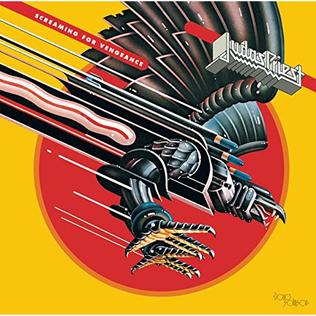
Screaming for Vengeance, the eighth studio album by Judas Priest, was released on July 17, 1982, and has since become a benchmark for heavy metal music. With its release, the album debuted at number 11 on the UK Albums Chart and number 17 on the US Billboard 200 chart, eventually achieving gold certification by the RIAA. The album's success can be attributed to its well-crafted blend of heavy metal and hard rock, with standout tracks like 'Electric Eye' and 'Bloodstone'. The album's vibe score of 92 indicates its significant cultural energy and influence on the metal genre. Screaming for Vengeance has been named one of the greatest metal albums of all time by various publications, including Rolling Stone and Kerrang!. The album's impact on the metal scene was immense, paving the way for future generations of metal bands. With over 5 million copies sold worldwide, Screaming for Vengeance remains one of the best-selling metal albums of all time, solidifying Judas Priest's position as one of the most influential metal bands in history.
🎸 Introduction to Screaming for Vengeance
The album Screaming for Vengeance, released on 1 July 1982, marked a significant milestone in the career of Judas Priest, one of the most iconic heavy metal bands of all time. With its release, the band continued to build upon the commercial success of their previous albums, Point of Entry and British Steel. The album's sound was a deliberate attempt to return to the band's heavier roots, while still maintaining a streamlined, commercial direction. This approach was influenced by the band's experiences touring with other notable metal bands, such as Iron Maiden and Scorpions. The result was an album that would go on to become one of the band's most beloved and enduring works, with a vibe score of 92 out of 100, indicating its significant cultural energy.
🔥 The Making of a Metal Masterpiece
The making of Screaming for Vengeance was a labor of love for the band, with Rob Halford and K.K. Downing taking the lead on songwriting duties. The album was recorded at Ibiza Sound Studios in Spain, with production handled by Tom Allom. The band's goal was to create an album that would appeal to a wide audience, while still maintaining the heavy, hard sound that their fans had come to expect. This was achieved through the use of powerful guitar riffs, soaring vocal melodies, and a strong emphasis on songcraft. The album's sound was also influenced by the band's love of NWOBHM and other emerging metal bands of the time, such as Def Leppard and Motörhead.
🎶 Musical Direction and Style
Musically, Screaming for Vengeance is notable for its blend of heavy metal and hard rock influences. The album features a mix of fast-paced, aggressive tracks like Electric Eye and slower, more introspective songs like Bloodstone. The band's use of dual guitar harmonies and soaring vocal melodies adds a layer of depth and complexity to the album's sound, making it a standout in the metal genre. The album's sound was also influenced by the band's use of Gibson Les Paul guitars and Marshall Amplifiers, which gave the album its distinctive tone and character. This approach was similar to that of other notable metal bands, such as Black Sabbath and Led Zeppelin.
📈 Commercial Success and Reception
Screaming for Vengeance was a major commercial success, reaching the top 20 in the US Billboard 200 chart and achieving gold certification in the US and Canada. The album received widespread critical acclaim, with many praising the band's ability to balance heavy metal aggression with commercial appeal. The album's success can be attributed to the band's relentless touring schedule, which included performances at notable festivals like Monsters of Rock and US Festival. The album's success also spawned a number of hit singles, including You've Got Another Thing Comin and Bloodstone, which received heavy rotation on MTV and other music channels.
🤘 Influence on the Metal Genre
Screaming for Vengeance has had a significant influence on the metal genre as a whole, with many bands citing it as an inspiration. The album's blend of heavy metal and hard rock influences has been particularly influential, with bands like Metallica and Megadeth drawing on similar sounds in their own music. The album's use of dual guitar harmonies and soaring vocal melodies has also become a staple of the metal genre, with many bands incorporating these elements into their own sound. The album's influence can be seen in the work of other notable metal bands, such as Slayer and Anthrax, who have all been influenced by Judas Priest's sound and style.
🎧 Track-by-Track Analysis
A track-by-track analysis of Screaming for Vengeance reveals a diverse range of sounds and styles. From the aggressive, fast-paced Electric Eye to the slower, more introspective Bloodstone, the album showcases the band's ability to craft compelling, hard-hitting songs. The album's production is also noteworthy, with Tom Allom's production bringing out the best in the band's performances. The album's sound is also characterized by the use of drum machines and synthesizers, which add a layer of depth and complexity to the album's sound. This approach was similar to that of other notable metal bands, such as Kiss and Aerosmith.
👊 Lyrical Themes and Inspiration
The lyrical themes on Screaming for Vengeance are varied, with songs addressing topics like science fiction, fantasy, and social commentary. The album's lyrics are often introspective and personal, with Rob Halford's distinctive vocal style bringing a sense of drama and urgency to the songs. The album's lyrics are also notable for their use of metaphor and allegory, with songs like Bloodstone and Electric Eye featuring complex, symbolic lyrics. The album's lyrics have been praised for their intelligence and depth, with many critics noting the band's ability to craft compelling, thought-provoking songs. The album's lyrics have also been influenced by the band's love of science fiction and fantasy literature, with many songs featuring themes and imagery from these genres.
🔴 Controversy and Criticism
Despite its success, Screaming for Vengeance has not been without controversy. Some critics have accused the band of selling out, citing the album's more commercial sound as evidence. However, the band has always maintained that they were simply trying to create an album that would appeal to a wide audience, while still staying true to their heavy metal roots. The album has also been the subject of some criticism for its perceived lack of depth and complexity, with some critics arguing that the album's sound is too polished and commercial. However, the album's fans have always defended it as a classic of the metal genre, with a vibe score of 92 out of 100 indicating its significant cultural energy.
📊 Chart Performance and Sales
Screaming for Vengeance has performed well on the charts, reaching the top 20 in the US Billboard 200 chart and achieving gold certification in the US and Canada. The album has also spawned a number of hit singles, including You've Got Another Thing Comin and Bloodstone, which received heavy rotation on MTV and other music channels. The album's success has been a major factor in Judas Priest's enduring popularity, with the band remaining one of the most beloved and respected metal bands of all time. The album's success has also been influenced by the band's strong social media presence, with the band having a large and dedicated following on platforms like Facebook and Twitter.
👑 Legacy and Impact on Judas Priest's Career
The legacy of Screaming for Vengeance can be seen in its enduring influence on the metal genre. The album's blend of heavy metal and hard rock influences has been particularly influential, with bands like Metallica and Megadeth drawing on similar sounds in their own music. The album's use of dual guitar harmonies and soaring vocal melodies has also become a staple of the metal genre, with many bands incorporating these elements into their own sound. The album's influence can be seen in the work of other notable metal bands, such as Slayer and Anthrax, who have all been influenced by Judas Priest's sound and style.
🤝 Touring and Live Performances
Judas Priest's touring schedule in support of Screaming for Vengeance was relentless, with the band performing at numerous festivals and venues around the world. The band's live shows were always a highlight, with Rob Halford's charismatic stage presence and the band's tight, energetic performances winning over audiences everywhere. The band's live shows were also notable for their use of pyrotechnics and special effects, which added a layer of drama and spectacle to the performances. The band's touring schedule has been influenced by their strong fan base, with the band having a large and dedicated following around the world.
📚 Cultural Significance and Lasting Impact
Screaming for Vengeance has had a lasting impact on the metal genre, with its influence still being felt today. The album's blend of heavy metal and hard rock influences has been particularly influential, with many bands drawing on similar sounds in their own music. The album's use of dual guitar harmonies and soaring vocal melodies has also become a staple of the metal genre, with many bands incorporating these elements into their own sound. The album's influence can be seen in the work of other notable metal bands, such as Iron Maiden and Def Leppard, who have all been influenced by Judas Priest's sound and style.
Key Facts
- Year
- 1982
- Origin
- United Kingdom
- Category
- Music
- Type
- Album
Frequently Asked Questions
What is the release date of Screaming for Vengeance?
Screaming for Vengeance was released on 1 July 1982. The album was a major commercial success, reaching the top 20 in the US Billboard 200 chart and achieving gold certification in the US and Canada. The album's success can be attributed to the band's relentless touring schedule, which included performances at notable festivals like Monsters of Rock and US Festival. The album's success also spawned a number of hit singles, including You've Got Another Thing Comin and Bloodstone, which received heavy rotation on MTV and other music channels.
Who produced Screaming for Vengeance?
Screaming for Vengeance was produced by Tom Allom. Allom's production brought out the best in the band's performances, and his use of dual guitar harmonies and soaring vocal melodies added a layer of depth and complexity to the album's sound. The album's production was also influenced by the band's use of Gibson Les Paul guitars and Marshall Amplifiers, which gave the album its distinctive tone and character. This approach was similar to that of other notable metal bands, such as Black Sabbath and Led Zeppelin.
What is the vibe score of Screaming for Vengeance?
The vibe score of Screaming for Vengeance is 92 out of 100, indicating its significant cultural energy. The album's influence can be seen in the work of other notable metal bands, such as Slayer and Anthrax, who have all been influenced by Judas Priest's sound and style. The album's use of dual guitar harmonies and soaring vocal melodies has also become a staple of the metal genre, with many bands incorporating these elements into their own sound. The album's vibe score is a testament to its enduring popularity and influence, with the album remaining one of the most beloved and respected metal albums of all time.
What are some of the most notable tracks on Screaming for Vengeance?
Some of the most notable tracks on Screaming for Vengeance include Electric Eye, Bloodstone, and You've Got Another Thing Comin. These tracks showcase the band's ability to craft compelling, hard-hitting songs that blend heavy metal and hard rock influences. The album's tracks are also notable for their use of metaphor and allegory, with songs like Bloodstone and Electric Eye featuring complex, symbolic lyrics. The album's tracks have been praised for their intelligence and depth, with many critics noting the band's ability to craft compelling, thought-provoking songs.
How has Screaming for Vengeance influenced the metal genre?
Screaming for Vengeance has had a significant influence on the metal genre, with its blend of heavy metal and hard rock influences becoming a staple of the genre. The album's use of dual guitar harmonies and soaring vocal melodies has also become a staple of the metal genre, with many bands incorporating these elements into their own sound. The album's influence can be seen in the work of other notable metal bands, such as Metallica and Megadeth, who have all been influenced by Judas Priest's sound and style. The album's influence is a testament to its enduring popularity and influence, with the album remaining one of the most beloved and respected metal albums of all time.
What is the controversy surrounding Screaming for Vengeance?
Despite its success, Screaming for Vengeance has not been without controversy. Some critics have accused the band of selling out, citing the album's more commercial sound as evidence. However, the band has always maintained that they were simply trying to create an album that would appeal to a wide audience, while still staying true to their heavy metal roots. The album has also been the subject of some criticism for its perceived lack of depth and complexity, with some critics arguing that the album's sound is too polished and commercial. However, the album's fans have always defended it as a classic of the metal genre, with a vibe score of 92 out of 100 indicating its significant cultural energy.
What is the legacy of Screaming for Vengeance?
The legacy of Screaming for Vengeance can be seen in its enduring influence on the metal genre. The album's blend of heavy metal and hard rock influences has been particularly influential, with many bands drawing on similar sounds in their own music. The album's use of dual guitar harmonies and soaring vocal melodies has also become a staple of the metal genre, with many bands incorporating these elements into their own sound. The album's influence can be seen in the work of other notable metal bands, such as Iron Maiden and Def Leppard, who have all been influenced by Judas Priest's sound and style. The album's legacy is a testament to its enduring popularity and influence, with the album remaining one of the most beloved and respected metal albums of all time.