
Contents
- 🏥 Introduction to Shortness of Breath
- 👥 Defining Dyspnea: A Complex Condition
- 📊 Assessing Dyspnea: Evaluating Intensity and Impact
- 💔 Distinct Sensations: Understanding the Experience of Dyspnea
- 🏋️♀️ The Tripod Position: A Common Sign of Distress
- 👨⚕️ Diagnosing the Underlying Cause: A Multidisciplinary Approach
- 💊 Treatment Options: Managing Dyspnea and Improving Quality of Life
- 📈 The Burden of Dyspnea: Impact on Daily Life and Activities
- 🤝 Patient-Centered Care: The Importance of Communication and Empathy
- 📊 Measuring Outcomes: Evaluating the Effectiveness of Treatment Plans
- 🌎 Global Perspectives: Dyspnea in Different Cultures and Communities
- 🔍 Future Directions: Research and Innovations in Dyspnea Management
- Frequently Asked Questions
- Related Topics
Overview
Shortness of breath, or dyspnea, is a symptom that has plagued humans for centuries, with ancient Greek physician Hippocrates (460-370 BCE) documenting its occurrence. Today, it affects over 10 million people in the United States alone, with a wide range of causes, from asthma and chronic obstructive pulmonary disease (COPD) to heart failure and pneumonia. According to the American Lung Association, the economic burden of COPD, a leading cause of shortness of breath, exceeds $50 billion annually. Despite its prevalence, shortness of breath remains a poorly understood and often misdiagnosed condition, with patients frequently experiencing delayed or inadequate treatment. Researchers like Dr. Steven Shea, a pulmonologist at the University of California, San Francisco, are working to develop more effective diagnostic tools and therapies. As the global population ages and air pollution worsens, the incidence of shortness of breath is likely to rise, making it essential to prioritize research and awareness efforts, such as the National Institutes of Health's (NIH) ongoing studies on respiratory health.
🏥 Introduction to Shortness of Breath
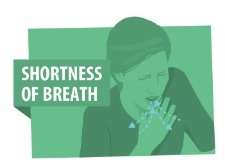
Shortness of breath, also known as dyspnea or dyspnoea, is a common symptom that affects millions of people worldwide. According to the American Thoracic Society, dyspnea is a subjective experience of breathing discomfort that consists of qualitatively distinct sensations that vary in intensity. Patients experiencing dyspnea often report feeling like they are not getting enough air, and may assume the tripod position to help alleviate their symptoms. To better understand this complex condition, it is essential to explore the definition of dyspnea and its various causes. The American Lung Association provides valuable resources and support for individuals affected by dyspnea.
👥 Defining Dyspnea: A Complex Condition
The American Thoracic Society defines dyspnea as a subjective experience of breathing discomfort that consists of qualitatively distinct sensations that vary in intensity. This definition highlights the complex nature of dyspnea, which can manifest differently in each individual. The National Heart, Lung, and Blood Institute recommends evaluating dyspnea by assessing the intensity of its distinct sensations, the degree of distress and discomfort involved, and its burden or impact on the patient's activities of daily living. By understanding the pathophysiology of dyspnea, healthcare professionals can develop effective treatment plans to manage this condition. The European Respiratory Society also provides guidance on the diagnosis and management of dyspnea.
📊 Assessing Dyspnea: Evaluating Intensity and Impact
Assessing dyspnea requires a comprehensive approach that takes into account the intensity of its distinct sensations, the degree of distress and discomfort involved, and its burden or impact on the patient's activities of daily living. The dyspnea scale is a useful tool for evaluating the severity of dyspnea, and can help healthcare professionals develop personalized treatment plans. Distinct sensations associated with dyspnea include effort/work to breathe, chest tightness or pain, and air hunger. The American Academy of Pulmonary Medicine provides resources and support for healthcare professionals working with patients with dyspnea. By understanding the clinical presentation of dyspnea, healthcare professionals can provide more effective care and improve patient outcomes.
💔 Distinct Sensations: Understanding the Experience of Dyspnea
The experience of dyspnea can be highly variable, and is influenced by a range of factors, including the underlying cause of the condition, the individual's overall health status, and their emotional and psychological state. The psychological impact of dyspnea should not be underestimated, as it can have a significant effect on a person's quality of life and overall well-being. Patients with dyspnea often report feeling anxious, depressed, and isolated, and may experience sleep disturbances and other related problems. The National Institute of Mental Health provides resources and support for individuals experiencing mental health issues related to dyspnea. By addressing the social determinants of health, healthcare professionals can provide more comprehensive care and improve patient outcomes.
🏋️♀️ The Tripod Position: A Common Sign of Distress
The tripod position is often assumed to be a sign of dyspnea, as it can help alleviate symptoms by increasing lung volume and improving breathing. However, this position can also be a sign of other conditions, such as chronic obstructive pulmonary disease (COPD) or pneumonia. A thorough medical evaluation is necessary to determine the underlying cause of dyspnea and develop an effective treatment plan. The American College of Chest Physicians provides guidance on the diagnosis and management of dyspnea. By understanding the physiological mechanisms of dyspnea, healthcare professionals can provide more targeted care and improve patient outcomes.
👨⚕️ Diagnosing the Underlying Cause: A Multidisciplinary Approach
Diagnosing the underlying cause of dyspnea requires a multidisciplinary approach that involves a range of healthcare professionals, including pulmonologists, cardiologists, and primary care physicians. The diagnostic criteria for dyspnea include a comprehensive medical history, physical examination, and diagnostic tests such as pulmonary function tests and imaging studies. The American Heart Association provides resources and support for healthcare professionals working with patients with dyspnea. By understanding the epidemiology of dyspnea, healthcare professionals can provide more effective care and improve patient outcomes.
💊 Treatment Options: Managing Dyspnea and Improving Quality of Life
Treatment options for dyspnea depend on the underlying cause of the condition, and may include medications, oxygen therapy, and pulmonary rehabilitation. The treatment guidelines for dyspnea recommend a comprehensive approach that addresses the physical, emotional, and psychological aspects of the condition. The National Council on Aging provides resources and support for older adults with dyspnea. By understanding the palliative care approach to dyspnea, healthcare professionals can provide more compassionate care and improve patient outcomes.
📈 The Burden of Dyspnea: Impact on Daily Life and Activities
The burden of dyspnea can be significant, and can impact a person's daily life and activities in many ways. The impact of dyspnea on quality of life can be measured using a range of tools and questionnaires, including the dyspnea scale and the quality of life scale. The World Health Organization provides resources and support for individuals with dyspnea. By understanding the health economics of dyspnea, healthcare professionals can provide more effective care and improve patient outcomes.
🤝 Patient-Centered Care: The Importance of Communication and Empathy
Patient-centered care is essential for individuals with dyspnea, as it can help alleviate symptoms, improve quality of life, and reduce the burden of the condition. The patient-centered care approach involves a range of strategies, including education, support, and empowerment. The Institute of Medicine provides resources and support for healthcare professionals working with patients with dyspnea. By understanding the cultural competence in dyspnea care, healthcare professionals can provide more effective care and improve patient outcomes.
📊 Measuring Outcomes: Evaluating the Effectiveness of Treatment Plans
Measuring outcomes is essential for evaluating the effectiveness of treatment plans for dyspnea. The outcome measures for dyspnea include a range of tools and questionnaires, including the dyspnea scale and the quality of life scale. The Agency for Healthcare Research and Quality provides resources and support for healthcare professionals working with patients with dyspnea. By understanding the research methods in dyspnea, healthcare professionals can provide more effective care and improve patient outcomes.
🌎 Global Perspectives: Dyspnea in Different Cultures and Communities
Dyspnea is a global health issue that affects individuals from diverse cultures and communities. The global perspective on dyspnea highlights the need for culturally sensitive care and support. The World Health Organization provides resources and support for individuals with dyspnea. By understanding the health disparities in dyspnea, healthcare professionals can provide more effective care and improve patient outcomes.
🔍 Future Directions: Research and Innovations in Dyspnea Management
Future directions in dyspnea research and management include the development of new treatments and therapies, such as stem cell therapy and gene therapy. The National Institutes of Health provides funding and support for research on dyspnea. By understanding the emerging trends in dyspnea, healthcare professionals can provide more effective care and improve patient outcomes.
Key Facts
- Year
- 2022
- Origin
- Ancient Greece, with modern understanding evolving over the 20th century
- Category
- Health and Medicine
- Type
- Medical Condition
Frequently Asked Questions
What is dyspnea?
Dyspnea, also known as shortness of breath, is a subjective experience of breathing discomfort that consists of qualitatively distinct sensations that vary in intensity. It is a common symptom that affects millions of people worldwide, and can be caused by a range of underlying conditions, including chronic obstructive pulmonary disease (COPD) and pneumonia. The American Thoracic Society provides guidance on the diagnosis and management of dyspnea. By understanding the definition of dyspnea, healthcare professionals can develop effective treatment plans to manage this condition.
What are the distinct sensations associated with dyspnea?
The distinct sensations associated with dyspnea include effort/work to breathe, chest tightness or pain, and air hunger. These sensations can vary in intensity and can be influenced by a range of factors, including the underlying cause of the condition, the individual's overall health status, and their emotional and psychological state. The National Heart, Lung, and Blood Institute recommends evaluating dyspnea by assessing the intensity of its distinct sensations, the degree of distress and discomfort involved, and its burden or impact on the patient's activities of daily living. By understanding the clinical presentation of dyspnea, healthcare professionals can provide more effective care and improve patient outcomes.
How is dyspnea diagnosed?
Diagnosing dyspnea requires a comprehensive approach that involves a range of healthcare professionals, including pulmonologists, cardiologists, and primary care physicians. The diagnostic criteria for dyspnea include a comprehensive medical history, physical examination, and diagnostic tests such as pulmonary function tests and imaging studies. The American College of Chest Physicians provides guidance on the diagnosis and management of dyspnea. By understanding the pathophysiology of dyspnea, healthcare professionals can develop effective treatment plans to manage this condition.
What are the treatment options for dyspnea?
Treatment options for dyspnea depend on the underlying cause of the condition, and may include medications, oxygen therapy, and pulmonary rehabilitation. The treatment guidelines for dyspnea recommend a comprehensive approach that addresses the physical, emotional, and psychological aspects of the condition. The National Council on Aging provides resources and support for older adults with dyspnea. By understanding the palliative care approach to dyspnea, healthcare professionals can provide more compassionate care and improve patient outcomes.
What is the impact of dyspnea on quality of life?
The impact of dyspnea on quality of life can be significant, and can affect a person's daily life and activities in many ways. The impact of dyspnea on quality of life can be measured using a range of tools and questionnaires, including the dyspnea scale and the quality of life scale. The World Health Organization provides resources and support for individuals with dyspnea. By understanding the health economics of dyspnea, healthcare professionals can provide more effective care and improve patient outcomes.
What is patient-centered care for dyspnea?
Patient-centered care for dyspnea involves a range of strategies, including education, support, and empowerment. The patient-centered care approach can help alleviate symptoms, improve quality of life, and reduce the burden of the condition. The Institute of Medicine provides resources and support for healthcare professionals working with patients with dyspnea. By understanding the cultural competence in dyspnea care, healthcare professionals can provide more effective care and improve patient outcomes.
What are the future directions in dyspnea research and management?
Future directions in dyspnea research and management include the development of new treatments and therapies, such as stem cell therapy and gene therapy. The National Institutes of Health provides funding and support for research on dyspnea. By understanding the emerging trends in dyspnea, healthcare professionals can provide more effective care and improve patient outcomes.