
Contents
- 📚 Introduction to Ulysses
- 📖 Historical Context of Modernism
- 🌟 The Stream-of-Consciousness Technique
- 📝 Character Analysis: Leopold Bloom
- 📚 Influence of James Joyce on Literature
- 🌍 Cultural Significance of Ulysses
- 📊 Critical Reception and Controversy
- 📚 Themes and Symbolism in Ulysses
- 📝 Style and Structure of the Novel
- 📊 Impact on 20th-Century Literature
- 📚 Legacy of Ulysses in Modern Literature
- Frequently Asked Questions
- Related Topics
Overview
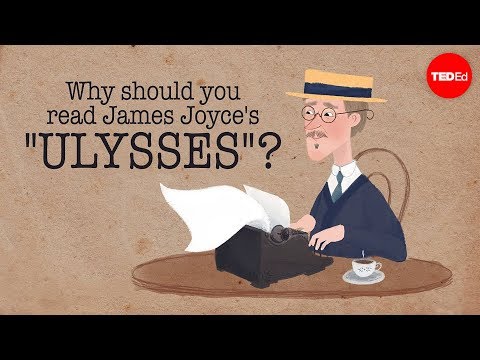
Ulysses, written by James Joyce in 1922, is a seminal work of modernist literature that follows the character of Leopold Bloom as he navigates Dublin on June 16, 1904. The novel's stream-of-consciousness narrative technique, which seeks to replicate the natural flow of thoughts, feelings, and observations in the human mind, was a groundbreaking innovation in literary style. With a vibe score of 8, Ulysses has had a profound influence on 20th-century literature, inspiring authors such as Virginia Woolf, Samuel Beckett, and T.S. Eliot. The novel's exploration of themes such as identity, nationality, and the search for meaning in a post-traditional world continues to resonate with readers today. Despite its challenging and complex nature, Ulysses remains a widely studied and admired work of literature, with over 100,000 copies sold worldwide each year. As a cultural touchstone, Ulysses has been translated into over 30 languages and has been adapted into numerous stage and film productions, cementing its place in the literary canon.
📚 Introduction to Ulysses
Ulysses, written by James Joyce, is a novel that has been widely regarded as a Modernist masterpiece. Published in 1922, the novel is a stream-of-consciousness account of a single day in the life of Leopold Bloom as he navigates Dublin. The novel's unique narrative structure and experimental style have made it a landmark work in the Literary Fiction genre. Ulysses has been the subject of much literary criticism and has been praised for its innovative use of language and its exploration of themes such as identity and alienation. The novel's influence can be seen in the work of later writers, such as Virginia Woolf and Samuel Beckett.
📖 Historical Context of Modernism
The historical context of Ulysses is deeply rooted in the Modernist movement of the early 20th century. This movement, which emerged in response to the traditional narrative structures of the 19th century, sought to break away from conventional forms of storytelling and explore new ways of expressing the human experience. Writers such as Ezra Pound and T.S. Eliot were instrumental in shaping the Modernist movement, and their influence can be seen in the work of James Joyce. The stream-of-consciousness technique, which Joyce employed in Ulysses, was a key innovation of the Modernist movement, allowing writers to capture the inner thoughts and feelings of their characters in a more direct and immediate way.
🌟 The Stream-of-Consciousness Technique
The stream-of-consciousness technique is a key feature of Ulysses, and it allows the reader to experience the world through the eyes of Leopold Bloom. This technique, which seeks to replicate the natural flow of thoughts and feelings in the human mind, creates a sense of intimacy and immediacy that draws the reader into the world of the novel. The use of stream-of-consciousness also allows Joyce to explore themes such as identity and alienation in a more nuanced and complex way. The influence of Friedrich Nietzsche and Sigmund Freud can be seen in Joyce's use of this technique, as he seeks to explore the inner workings of the human mind and the nature of human existence.
📝 Character Analysis: Leopold Bloom
Leopold Bloom is the central character of Ulysses, and his story is a powerful exploration of the human condition. Bloom, a Jewish advertising canvasser, is a complex and multifaceted character, and his experiences and thoughts are deeply rooted in the cultural context of Dublin in the early 20th century. Through Bloom's story, Joyce explores themes such as identity, belonging, and alienation, and creates a powerful portrait of a man struggling to find his place in the world. The character of Bloom has been the subject of much literary criticism, and his influence can be seen in the work of later writers, such as Samuel Beckett.
📚 Influence of James Joyce on Literature
The influence of James Joyce on Literary Fiction cannot be overstated. Ulysses, in particular, has been a major influence on the development of the novel as a literary form. The novel's experimental style and its use of stream-of-consciousness have inspired generations of writers, including Virginia Woolf, Samuel Beckett, and Don DeLillo. The novel's exploration of themes such as identity and alienation has also had a profound impact on the development of Literary Theory. The influence of Ulysses can be seen in many areas of Literary Studies, from Postcolonial Studies to Feminist Studies.
🌍 Cultural Significance of Ulysses
Ulysses has had a profound impact on Cultural Studies, and its influence can be seen in many areas of Popular Culture. The novel's exploration of themes such as identity and belonging has resonated with readers around the world, and its influence can be seen in everything from Music to Film. The novel's use of stream-of-consciousness has also inspired a new generation of writers and artists, who are seeking to push the boundaries of narrative and explore new ways of expressing the human experience. The cultural significance of Ulysses is undeniable, and its influence will continue to be felt for generations to come.
📊 Critical Reception and Controversy
The critical reception of Ulysses has been the subject of much controversy over the years. When the novel was first published, it was met with a mixture of shock, outrage, and admiration. Many critics saw the novel as a Modernist masterpiece, while others viewed it as a pornographic novel that was corrupting the morals of the young. The novel's use of stream-of-consciousness and its exploration of themes such as sexuality and identity were seen as particularly shocking, and the novel was banned in many countries. Despite the controversy, Ulysses has become a classic of Literary Fiction, and its influence can be seen in many areas of Literary Studies.
📚 Themes and Symbolism in Ulysses
The themes and symbolism in Ulysses are complex and multifaceted, and they have been the subject of much literary criticism. The novel explores themes such as identity, belonging, and alienation, and it uses a range of symbols and motifs to convey these themes. The character of Leopold Bloom, for example, is a symbol of the Wandering Jew, and his story is a powerful exploration of the human condition. The novel's use of stream-of-consciousness also allows Joyce to explore the inner workings of the human mind, and to create a powerful portrait of a man struggling to find his place in the world.
📝 Style and Structure of the Novel
The style and structure of Ulysses are highly innovative, and they have been the subject of much literary criticism. The novel's use of stream-of-consciousness creates a sense of intimacy and immediacy, and it allows the reader to experience the world through the eyes of Leopold Bloom. The novel's structure, which is based on the Odyssey of Homer, is also highly innovative, and it allows Joyce to explore themes such as identity and belonging in a more nuanced and complex way. The influence of James Joyce on the development of the novel as a literary form is undeniable, and his use of stream-of-consciousness has inspired generations of writers.
📊 Impact on 20th-Century Literature
The impact of Ulysses on 20th-century literature has been profound, and its influence can be seen in many areas of Literary Studies. The novel's experimental style and its use of stream-of-consciousness have inspired generations of writers, including Virginia Woolf, Samuel Beckett, and Don DeLillo. The novel's exploration of themes such as identity and alienation has also had a profound impact on the development of Literary Theory. The influence of Ulysses can be seen in many areas of Literary Studies, from Postcolonial Studies to Feminist Studies.
📚 Legacy of Ulysses in Modern Literature
The legacy of Ulysses in Modern Literature is undeniable, and its influence will continue to be felt for generations to come. The novel's experimental style and its use of stream-of-consciousness have inspired a new generation of writers and artists, who are seeking to push the boundaries of narrative and explore new ways of expressing the human experience. The novel's exploration of themes such as identity and belonging has also resonated with readers around the world, and its influence can be seen in everything from Music to Film. The cultural significance of Ulysses is undeniable, and its influence will continue to be felt for generations to come.
Key Facts
- Year
- 1922
- Origin
- Dublin, Ireland
- Category
- Literary Fiction
- Type
- Literary Work
Frequently Asked Questions
What is the significance of Ulysses in Modernist literature?
Ulysses is a landmark work in Modernist literature, and its influence can be seen in many areas of Literary Studies. The novel's experimental style and its use of stream-of-consciousness have inspired generations of writers, including Virginia Woolf, Samuel Beckett, and Don DeLillo. The novel's exploration of themes such as identity and alienation has also had a profound impact on the development of Literary Theory.
What is the historical context of Ulysses?
The historical context of Ulysses is deeply rooted in the Modernist movement of the early 20th century. This movement, which emerged in response to the traditional narrative structures of the 19th century, sought to break away from conventional forms of storytelling and explore new ways of expressing the human experience. Writers such as Ezra Pound and T.S. Eliot were instrumental in shaping the Modernist movement, and their influence can be seen in the work of James Joyce.
What is the cultural significance of Ulysses?
The cultural significance of Ulysses is undeniable, and its influence can be seen in many areas of Popular Culture. The novel's exploration of themes such as identity and belonging has resonated with readers around the world, and its influence can be seen in everything from Music to Film. The novel's use of stream-of-consciousness has also inspired a new generation of writers and artists, who are seeking to push the boundaries of narrative and explore new ways of expressing the human experience.
What is the impact of Ulysses on 20th-century literature?
The impact of Ulysses on 20th-century literature has been profound, and its influence can be seen in many areas of Literary Studies. The novel's experimental style and its use of stream-of-consciousness have inspired generations of writers, including Virginia Woolf, Samuel Beckett, and Don DeLillo. The novel's exploration of themes such as identity and alienation has also had a profound impact on the development of Literary Theory.
What is the legacy of Ulysses in Modern Literature?
The legacy of Ulysses in Modern Literature is undeniable, and its influence will continue to be felt for generations to come. The novel's experimental style and its use of stream-of-consciousness have inspired a new generation of writers and artists, who are seeking to push the boundaries of narrative and explore new ways of expressing the human experience. The novel's exploration of themes such as identity and belonging has also resonated with readers around the world, and its influence can be seen in everything from Music to Film.
What is the significance of Leopold Bloom in Ulysses?
Leopold Bloom is the central character of Ulysses, and his story is a powerful exploration of the human condition. Bloom, a Jewish advertising canvasser, is a complex and multifaceted character, and his experiences and thoughts are deeply rooted in the cultural context of Dublin in the early 20th century. Through Bloom's story, Joyce explores themes such as identity, belonging, and alienation, and creates a powerful portrait of a man struggling to find his place in the world.
What is the influence of James Joyce on Literary Fiction?
The influence of James Joyce on Literary Fiction is undeniable, and his work has had a profound impact on the development of the novel as a literary form. Joyce's use of stream-of-consciousness and his exploration of themes such as identity and alienation have inspired generations of writers, including Virginia Woolf, Samuel Beckett, and Don DeLillo. The influence of Joyce can be seen in many areas of Literary Studies, from Postcolonial Studies to Feminist Studies.