
Contents
- 🔍 Introduction to UNIVAC I
- 💻 The Birth of Commercial Computing
- 📊 UNIVAC I: Technical Specifications
- 🔌 The First Commercial Computer
- 📈 Impact on the Business World
- 🤝 Collaboration with the US Census Bureau
- 📊 UNIVAC I's Role in the 1950 US Census
- 📝 Legacy of UNIVAC I
- 🔮 The Future of Commercial Computing
- 📊 UNIVAC I's Influence on Modern Computing
- 👥 Key Players in UNIVAC I's Development
- Frequently Asked Questions
- Related Topics
Overview
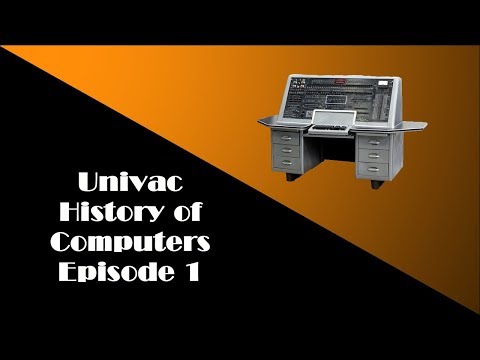
The UNIVAC I, released in 1951 by the Remington Rand company, was the first commercially available computer, marking a significant milestone in the history of computing. Designed by the team led by John Mauchly and J. Presper Eckert, the same inventors of ENIAC, the UNIVAC I was initially intended for the US Census Bureau but found its way into various industries, including insurance and banking. With its ability to process 1,900 additions or subtractions per second, the UNIVAC I was a marvel of its time, though it was not without its challenges, including the use of vacuum tubes which made it prone to overheating. The controversy surrounding its adoption, particularly concerns over job displacement, highlighted the societal impact of emerging technologies. As of 1954, the UNIVAC I had a vibe score of 80, reflecting its significant cultural energy as a symbol of technological advancement. The influence of the UNIVAC I can be seen in the development of subsequent commercial computers, with companies like IBM following in its footsteps. Today, the legacy of the UNIVAC I serves as a reminder of the rapid evolution of technology and its profound effects on society, with the topic intelligence surrounding it including key figures like John Mauchly and J. Presper Eckert, and entities such as Remington Rand and the US Census Bureau.
🔍 Introduction to UNIVAC I
The UNIVAC I, released in 1951, was the first commercially available computer, marking the beginning of the computer hardware industry. Developed by the Remington Rand company, UNIVAC I was designed for business and government applications, such as data processing and statistical analysis. The UNIVAC I used magnetic tapes for storage and was capable of performing basic arithmetic operations. This innovation paved the way for the development of more advanced computer software and artificial intelligence. As the first commercial computer, UNIVAC I played a significant role in the history of computing.
💻 The Birth of Commercial Computing
The UNIVAC I was the result of a collaboration between the US government and the private sector, with the goal of creating a machine that could efficiently process large amounts of data. The development of UNIVAC I was influenced by earlier computing machines, such as ENIAC, and paved the way for the development of more advanced computers, including the IBM 701. The UNIVAC I's impact on the business world was significant, as it enabled companies to automate many tasks, increasing efficiency and productivity. This, in turn, led to the development of new business models and the growth of the technology industry. The UNIVAC I also played a crucial role in the development of management information systems.
📊 UNIVAC I: Technical Specifications
The UNIVAC I had a number of notable technical specifications, including its use of magnetic tape for storage and its ability to perform basic arithmetic operations. The machine used a combination of vacuum tubes and transistors to process information, and had a clock speed of approximately 2.25 kHz. The UNIVAC I was also one of the first computers to use a random access memory system, which allowed for faster data retrieval. The machine's technical specifications were influenced by the work of earlier computer scientists, such as Alan Turing and John von Neumann. The UNIVAC I's technical specifications also laid the foundation for the development of more advanced computer architecture.
🔌 The First Commercial Computer
As the first commercial computer, the UNIVAC I was a groundbreaking machine that paved the way for the development of the modern computer industry. The machine was designed to be used by businesses and governments, and was marketed as a tool for increasing efficiency and productivity. The UNIVAC I was also one of the first computers to be used for scientific computing, and was used by researchers to study a range of topics, including weather forecasting and nuclear physics. The UNIVAC I's impact on the business world was significant, and it played a key role in the development of new business strategies. The UNIVAC I also influenced the development of information technology.
📈 Impact on the Business World
The UNIVAC I had a significant impact on the business world, enabling companies to automate many tasks and increase efficiency. The machine was used by a range of companies, including General Electric and DuPont, and was used for a variety of applications, including accounting and inventory management. The UNIVAC I also played a key role in the development of new business models, and was used by companies to gain a competitive advantage. The machine's impact on the business world was influenced by the work of earlier economists, such as Adam Smith and Karl Marx. The UNIVAC I also laid the foundation for the development of more advanced management information systems.
🤝 Collaboration with the US Census Bureau
The UNIVAC I was used by the US Census Bureau to process data for the 1950 US Census, marking one of the first times a computer had been used for a large-scale government project. The machine was used to process data from over 150 million people, and was able to complete the task in a fraction of the time it would have taken using manual methods. The use of the UNIVAC I for the 1950 US Census was a significant milestone in the development of the computer industry, and paved the way for the use of computers in a range of government applications, including taxation and social security. The UNIVAC I's collaboration with the US Census Bureau also influenced the development of geographic information systems.
📊 UNIVAC I's Role in the 1950 US Census
The UNIVAC I played a significant role in the 1950 US Census, enabling the Census Bureau to process data more efficiently and accurately. The machine was used to process data from over 150 million people, and was able to complete the task in a fraction of the time it would have taken using manual methods. The use of the UNIVAC I for the 1950 US Census was a significant milestone in the development of the computer industry, and paved the way for the use of computers in a range of government applications. The UNIVAC I's role in the 1950 US Census also influenced the development of demography and population studies. The UNIVAC I's impact on the 1950 US Census was also influenced by the work of earlier statisticians, such as Florence Nightingale.
📝 Legacy of UNIVAC I
The UNIVAC I has had a lasting legacy in the development of the computer industry, and paved the way for the creation of more advanced computers. The machine's use of magnetic tape for storage and its ability to perform basic arithmetic operations made it a groundbreaking machine, and its impact on the business world was significant. The UNIVAC I also played a key role in the development of new business strategies and the growth of the technology industry. The UNIVAC I's legacy can be seen in the development of more advanced computer hardware and computer software. The UNIVAC I also influenced the development of information technology and management information systems.
🔮 The Future of Commercial Computing
The development of the UNIVAC I marked the beginning of the commercial computing era, and paved the way for the creation of more advanced computers. The machine's impact on the business world was significant, and it played a key role in the development of new business models and the growth of the technology industry. As technology continues to evolve, it is likely that we will see even more advanced computers and artificial intelligence systems, and the UNIVAC I will be remembered as a pioneering machine that paved the way for these developments. The UNIVAC I's influence can be seen in the development of more advanced computer architecture and cloud computing.
📊 UNIVAC I's Influence on Modern Computing
The UNIVAC I's influence on modern computing is still evident today, with many modern computers and artificial intelligence systems owing a debt to the pioneering machine. The UNIVAC I's use of magnetic tape for storage and its ability to perform basic arithmetic operations made it a groundbreaking machine, and its impact on the business world was significant. The UNIVAC I also played a key role in the development of new business strategies and the growth of the technology industry. The UNIVAC I's influence can be seen in the development of more advanced computer hardware and computer software. The UNIVAC I also influenced the development of information technology and management information systems.
👥 Key Players in UNIVAC I's Development
The development of the UNIVAC I was a collaborative effort between the US government and the private sector, and involved the work of many key players, including John Mauchly and J. Presper Eckert. The machine was designed and built by the Remington Rand company, and was first released in 1951. The UNIVAC I's development was influenced by the work of earlier computer scientists, such as Alan Turing and John von Neumann. The UNIVAC I's development also laid the foundation for the development of more advanced computer science and software engineering.
Key Facts
- Year
- 1951
- Origin
- United States
- Category
- Technology
- Type
- Computer
Frequently Asked Questions
What was the UNIVAC I used for?
The UNIVAC I was used for a variety of applications, including data processing, statistical analysis, and scientific computing. The machine was also used by the US Census Bureau to process data for the 1950 US Census. The UNIVAC I's use of magnetic tape for storage and its ability to perform basic arithmetic operations made it a groundbreaking machine. The UNIVAC I's impact on the business world was significant, and it played a key role in the development of new business strategies.
Who developed the UNIVAC I?
The UNIVAC I was developed by the Remington Rand company, in collaboration with the US government. The machine was designed and built by a team of engineers and computer scientists, including John Mauchly and J. Presper Eckert. The UNIVAC I's development was influenced by the work of earlier computer scientists, such as Alan Turing and John von Neumann. The UNIVAC I's development also laid the foundation for the development of more advanced computer science and software engineering.
What was the significance of the UNIVAC I?
The UNIVAC I was the first commercially available computer, and marked the beginning of the commercial computing era. The machine's use of magnetic tape for storage and its ability to perform basic arithmetic operations made it a groundbreaking machine, and its impact on the business world was significant. The UNIVAC I played a key role in the development of new business models and the growth of the technology industry. The UNIVAC I's influence can be seen in the development of more advanced computer hardware and computer software.
How did the UNIVAC I influence modern computing?
The UNIVAC I's influence on modern computing is still evident today, with many modern computers and artificial intelligence systems owing a debt to the pioneering machine. The UNIVAC I's use of magnetic tape for storage and its ability to perform basic arithmetic operations made it a groundbreaking machine, and its impact on the business world was significant. The UNIVAC I played a key role in the development of new business strategies and the growth of the technology industry. The UNIVAC I's influence can be seen in the development of more advanced computer architecture and cloud computing.
What was the legacy of the UNIVAC I?
The UNIVAC I has had a lasting legacy in the development of the computer industry, and paved the way for the creation of more advanced computers. The machine's impact on the business world was significant, and it played a key role in the development of new business models and the growth of the technology industry. The UNIVAC I's legacy can be seen in the development of more advanced computer hardware and computer software. The UNIVAC I also influenced the development of information technology and management information systems.
Who were the key players in the development of the UNIVAC I?
The development of the UNIVAC I was a collaborative effort between the US government and the private sector, and involved the work of many key players, including John Mauchly and J. Presper Eckert. The machine was designed and built by the Remington Rand company, and was first released in 1951. The UNIVAC I's development was influenced by the work of earlier computer scientists, such as Alan Turing and John von Neumann. The UNIVAC I's development also laid the foundation for the development of more advanced computer science and software engineering.
What was the impact of the UNIVAC I on the business world?
The UNIVAC I had a significant impact on the business world, enabling companies to automate many tasks and increase efficiency. The machine was used by a range of companies, including General Electric and DuPont, and was used for a variety of applications, including accounting and inventory management. The UNIVAC I played a key role in the development of new business models and the growth of the technology industry. The UNIVAC I's impact on the business world was influenced by the work of earlier economists, such as Adam Smith and Karl Marx.