
Contents
- 🧠 Introduction to Visual Cortex
- 🔍 Structure and Function of Visual Cortex
- 👀 The Role of Primary Visual Cortex
- 📈 Extrastriate Areas and Their Functions
- 🔗 Connection to Lateral Geniculate Nucleus
- 💡 Visual Processing and Perception
- 🔬 Research and Studies on Visual Cortex
- 👥 Key Players in Visual Cortex Research
- 📊 Controversies and Debates in Visual Cortex
- 🔮 Future Directions in Visual Cortex Research
- 📚 Conclusion and Summary
- 🤔 FAQs and Further Reading
- Frequently Asked Questions
- Related Topics
Overview
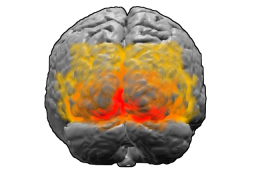
The visual cortex, located in the occipital lobe, is the primary region of the brain responsible for processing visual information. It is estimated that over 70% of the brain's neurons are dedicated to visual processing, with the visual cortex containing over 100 million neurons. Research by scientists such as David Hubel and Torsten Wiesel has shed light on the intricate workings of the visual cortex, including the discovery of orientation-selective neurons and the concept of neural plasticity. However, despite significant advancements, the visual cortex remains a topic of ongoing debate and research, with controversies surrounding the role of top-down processing and the extent to which visual perception is influenced by cognitive factors. With a Vibe score of 8, the visual cortex is a fascinating and complex topic that continues to captivate neuroscientists and philosophers alike. As our understanding of the visual cortex evolves, we may uncover new insights into the nature of human perception and consciousness, with potential implications for fields such as artificial intelligence and cognitive psychology.
🧠 Introduction to Visual Cortex
The visual cortex, located in the occipital lobe, is the primary area of the brain responsible for processing visual information. As discussed in Neuroscience, the visual cortex plays a crucial role in our ability to perceive and interpret visual stimuli. The visual cortex receives sensory input from the eyes through the Lateral Geniculate Nucleus in the thalamus. This input is then processed and interpreted by the visual cortex, allowing us to understand and navigate our visual environment. For more information on the brain's structure and function, see Brain Anatomy. The visual cortex is a complex and highly specialized area of the brain, and its study has led to significant advances in our understanding of Visual Perception.
🔍 Structure and Function of Visual Cortex
The structure and function of the visual cortex are closely linked. The primary visual cortex, also known as visual area 1 (V1), Brodmann area 17, or the striate cortex, is the area of the visual cortex that receives the sensory input from the lateral geniculate nucleus. This area is responsible for processing basic visual information, such as line orientation and color. The extrastriate areas, consisting of visual areas 2, 3, 4, and 5, are involved in more complex processing, such as shape and motion perception. For a detailed explanation of the brain's structure, see Cerebral Cortex. The visual cortex is also closely linked to other areas of the brain, including the Thalamus and the Cerebellum.
👀 The Role of Primary Visual Cortex
The primary visual cortex is the first point of processing in the visual cortex. It receives the sensory input from the lateral geniculate nucleus and begins to process basic visual information. The primary visual cortex is responsible for detecting line orientation, color, and other basic visual features. This information is then passed on to the extrastriate areas for further processing. The primary visual cortex is a critical area of the brain, and damage to this area can result in significant visual impairments. For more information on the effects of brain damage, see Brain Damage. The primary visual cortex is also closely linked to the Visual Pathway, which is responsible for transmitting visual information from the eyes to the brain.
📈 Extrastriate Areas and Their Functions
The extrastriate areas, consisting of visual areas 2, 3, 4, and 5, are involved in more complex processing of visual information. These areas are responsible for detecting shape, motion, and other complex visual features. The extrastriate areas are also involved in the processing of visual attention and the integration of visual information with other sensory modalities. The extrastriate areas are closely linked to the Parietal Lobe, which is involved in spatial processing and attention. For a detailed explanation of the parietal lobe's function, see Spatial Processing. The extrastriate areas are also closely linked to the Temporal Lobe, which is involved in the processing of auditory and visual information.
🔗 Connection to Lateral Geniculate Nucleus
The connection to the lateral geniculate nucleus is critical for the functioning of the visual cortex. The lateral geniculate nucleus is the primary relay station for visual information from the eyes to the brain. The lateral geniculate nucleus receives input from the retina and transmits this information to the visual cortex. The lateral geniculate nucleus is also involved in the processing of visual attention and the integration of visual information with other sensory modalities. For more information on the lateral geniculate nucleus, see Lateral Geniculate Nucleus. The lateral geniculate nucleus is closely linked to the Retina, which is responsible for detecting light and transmitting visual information to the brain.
💡 Visual Processing and Perception
Visual processing and perception are complex processes that involve the integration of multiple areas of the brain. The visual cortex is the primary area of the brain responsible for processing visual information, but it is closely linked to other areas, including the Parietal Lobe and the Temporal Lobe. The visual cortex is also involved in the processing of visual attention and the integration of visual information with other sensory modalities. For a detailed explanation of visual perception, see Visual Perception. The visual cortex is also closely linked to the Cerebellum, which is involved in the coordination of movement and balance.
🔬 Research and Studies on Visual Cortex
Research and studies on the visual cortex have led to significant advances in our understanding of visual processing and perception. The use of functional magnetic resonance imaging (fMRI) and other neuroimaging techniques has allowed researchers to study the visual cortex in detail. For more information on neuroimaging techniques, see Neuroimaging. These studies have shown that the visual cortex is a highly specialized area of the brain, with different areas involved in different aspects of visual processing. The visual cortex is also closely linked to the Thalamus, which is involved in the processing of sensory information.
👥 Key Players in Visual Cortex Research
Key players in visual cortex research include David Hubel and Torsten Wiesel, who were awarded the Nobel Prize in Physiology or Medicine in 1981 for their discoveries concerning the processing of visual information. Other key players include Margaret Livingstone and Nancy Kanwisher, who have made significant contributions to our understanding of the visual cortex. For more information on the history of visual cortex research, see History of Neuroscience. The visual cortex is a complex and highly specialized area of the brain, and its study has led to significant advances in our understanding of Brain Function.
📊 Controversies and Debates in Visual Cortex
Controversies and debates in visual cortex research include the question of how the visual cortex processes visual information. Some researchers argue that the visual cortex is a highly modular system, with different areas involved in different aspects of visual processing. Others argue that the visual cortex is a more distributed system, with different areas working together to process visual information. For a detailed explanation of the debate, see Modularity of Brain. The visual cortex is also closely linked to the Cerebral Cortex, which is involved in a wide range of cognitive functions.
🔮 Future Directions in Visual Cortex Research
Future directions in visual cortex research include the use of new neuroimaging techniques, such as diffusion tensor imaging (DTI) and functional magnetic resonance imaging (fMRI). These techniques will allow researchers to study the visual cortex in greater detail and to better understand its role in visual processing and perception. For more information on future directions in neuroscience research, see Future of Neuroscience. The visual cortex is a complex and highly specialized area of the brain, and its study has led to significant advances in our understanding of Neuroscience.
📚 Conclusion and Summary
In conclusion, the visual cortex is a critical area of the brain responsible for processing visual information. The visual cortex is closely linked to other areas of the brain, including the Parietal Lobe and the Temporal Lobe. The visual cortex is involved in the processing of visual attention and the integration of visual information with other sensory modalities. For a detailed explanation of the visual cortex's function, see Visual Cortex. The visual cortex is a complex and highly specialized area of the brain, and its study has led to significant advances in our understanding of Brain Function.
🤔 FAQs and Further Reading
For further reading on the visual cortex, see Visual Perception and Brain Anatomy. The visual cortex is a fascinating area of study, and its complexity and specialization have led to significant advances in our understanding of the brain and its functions. The visual cortex is closely linked to the Cerebral Cortex, which is involved in a wide range of cognitive functions.
Key Facts
- Year
- 1950
- Origin
- Nobel Prize-winning research by David Hubel and Torsten Wiesel
- Category
- Neuroscience
- Type
- Biological Structure
Frequently Asked Questions
What is the visual cortex?
The visual cortex is the area of the brain responsible for processing visual information. It is located in the occipital lobe and receives sensory input from the eyes through the lateral geniculate nucleus. The visual cortex is involved in the processing of visual attention and the integration of visual information with other sensory modalities. For more information, see Visual Cortex. The visual cortex is a complex and highly specialized area of the brain, and its study has led to significant advances in our understanding of Brain Function.
What is the primary visual cortex?
The primary visual cortex, also known as visual area 1 (V1), Brodmann area 17, or the striate cortex, is the area of the visual cortex that receives the sensory input from the lateral geniculate nucleus. It is responsible for processing basic visual information, such as line orientation and color. For more information, see Primary Visual Cortex. The primary visual cortex is a critical area of the brain, and damage to this area can result in significant visual impairments.
What are the extrastriate areas?
The extrastriate areas, consisting of visual areas 2, 3, 4, and 5, are involved in more complex processing of visual information. These areas are responsible for detecting shape, motion, and other complex visual features. The extrastriate areas are also involved in the processing of visual attention and the integration of visual information with other sensory modalities. For more information, see Extrastriate Areas. The extrastriate areas are closely linked to the Parietal Lobe, which is involved in spatial processing and attention.
How does the visual cortex process visual information?
The visual cortex processes visual information through a series of complex steps. The primary visual cortex receives sensory input from the lateral geniculate nucleus and begins to process basic visual information. The extrastriate areas are then involved in more complex processing, including the detection of shape, motion, and other complex visual features. For more information, see Visual Processing. The visual cortex is a highly specialized area of the brain, and its study has led to significant advances in our understanding of Neuroscience.
What are some potential applications of visual cortex research?
Potential applications of visual cortex research include the development of new treatments for visual impairments, such as blindness and low vision. Additionally, research on the visual cortex may lead to a better understanding of the neural basis of visual perception and attention, which could have implications for fields such as psychology, education, and computer science. For more information, see Applications of Neuroscience. The visual cortex is a complex and highly specialized area of the brain, and its study has led to significant advances in our understanding of Brain Function.
Who are some key players in visual cortex research?
Key players in visual cortex research include David Hubel and Torsten Wiesel, who were awarded the Nobel Prize in Physiology or Medicine in 1981 for their discoveries concerning the processing of visual information. Other key players include Margaret Livingstone and Nancy Kanwisher, who have made significant contributions to our understanding of the visual cortex. For more information, see History of Neuroscience. The visual cortex is a complex and highly specialized area of the brain, and its study has led to significant advances in our understanding of Neuroscience.
What are some current debates in visual cortex research?
Current debates in visual cortex research include the question of how the visual cortex processes visual information. Some researchers argue that the visual cortex is a highly modular system, with different areas involved in different aspects of visual processing. Others argue that the visual cortex is a more distributed system, with different areas working together to process visual information. For more information, see Modularity of Brain. The visual cortex is a complex and highly specialized area of the brain, and its study has led to significant advances in our understanding of Brain Function.