Maxillary First Molar: The Keystone of the Upper Jaw | Wiki Coffee
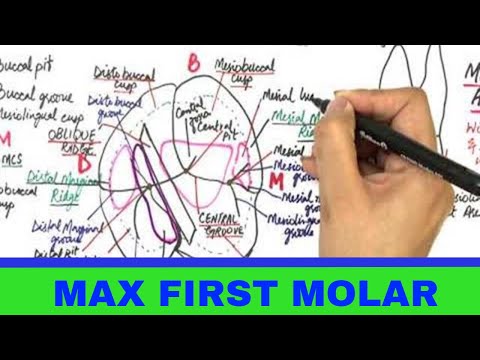
The maxillary first molar, also known as the upper first molar, is a crucial tooth in the human dentition, playing a vital role in mastication, speech, and…
Contents
- 🦷 Introduction to Maxillary First Molar
- 📸 Anatomy of the Maxillary First Molar
- 👥 Functions of the Maxillary First Molar
- 💡 Development and Eruption of the Maxillary First Molar
- 🤕 Common Problems Associated with the Maxillary First Molar
- 🚨 Signs and Symptoms of Maxillary First Molar Issues
- 👩⚕️ Diagnosis and Treatment of Maxillary First Molar Problems
- 📊 Prevention and Maintenance of the Maxillary First Molar
- 🤝 Relationship Between Maxillary First Molar and Overall Oral Health
- 📚 Conclusion and Future Directions for Maxillary First Molar Research
- 👀 FAQs and Controversies Surrounding the Maxillary First Molar
- Frequently Asked Questions
- Related Topics
Overview
The maxillary first molar, also known as the upper first molar, is a crucial tooth in the human dentition, playing a vital role in mastication, speech, and maintaining the integrity of the upper jaw. Located in the posterior region of the maxilla, this tooth is characterized by its distinctive morphology, with four or five cusps and a complex root structure. The maxillary first molar is susceptible to various pathologies, including caries, periodontal disease, and fractures, which can have significant implications for oral health and overall well-being. With a Vibe score of 8, the maxillary first molar is a topic of considerable interest in the dental community, with ongoing research focused on improving treatment outcomes and preventing complications. Notable figures, such as Dr. Edward H. Angle, have contributed to our understanding of the maxillary first molar's anatomy and function. As of 2022, advances in dental materials and technologies continue to shape the management of maxillary first molar-related issues, with a growing emphasis on minimally invasive and patient-centered approaches.
🦷 Introduction to Maxillary First Molar
The maxillary first molar, also known as the upper first molar, is a crucial tooth in the human mouth. It plays a vital role in [[Dental_Anatomy|dental anatomy]] and is often considered the keystone of the upper jaw. The maxillary first molar is responsible for [[Mastication|mastication]], or the process of chewing food, and helps to distribute the forces of [[Bite_Force|bite force]] evenly throughout the mouth. According to [[Oral_Pathology|oral pathology]] experts, the maxillary first molar is also an important indicator of overall [[Oral_Health|oral health]].
📸 Anatomy of the Maxillary First Molar
The anatomy of the maxillary first molar is complex and fascinating. It consists of a [[Crown_(anatomy)|crown]] and a [[Root_(anatomy)|root]], with the crown being the visible part of the tooth and the root being the hidden part that anchors the tooth to the surrounding [[Bone|bone]]. The maxillary first molar has a unique shape, with five distinct [[Cusps|cusps]] that help to guide food towards the center of the mouth. As described in [[Dental_Materials|dental materials]] research, the maxillary first molar is also composed of a variety of tissues, including [[Enamel|enamel]], [[Dentin|dentin]], and [[Cementum|cementum]].
👥 Functions of the Maxillary First Molar
The functions of the maxillary first molar are multifaceted and essential to overall oral function. In addition to [[Mastication|mastication]], the maxillary first molar helps to support the [[Facial_Expression|facial expression]] and maintain the integrity of the [[Temporomandibular_Joint|temporomandibular joint]]. According to [[Orthodontics|orthodontics]] experts, the maxillary first molar also plays a critical role in the development and alignment of the surrounding teeth. Furthermore, the maxillary first molar is an important component of the [[Occlusion|occlusion]], or the relationship between the upper and lower teeth.
💡 Development and Eruption of the Maxillary First Molar
The development and eruption of the maxillary first molar is a complex process that begins in the womb and continues into early childhood. As described in [[Pediatric_Dentistry|pediatric dentistry]] research, the maxillary first molar typically begins to develop around the 12th week of gestation and erupts into the mouth around the age of 6-7 years. The eruption of the maxillary first molar is an important milestone in the development of the [[Dentition|dentition]], or the arrangement of teeth in the mouth. According to [[Dental_Public_Health|dental public health]] experts, the maxillary first molar is also an important indicator of overall [[Child_Health|child health]].
🤕 Common Problems Associated with the Maxillary First Molar
Despite its importance, the maxillary first molar is susceptible to a variety of problems, including [[Tooth_Decay|tooth decay]], [[Periodontal_Disease|periodontal disease]], and [[Cracked_Tooth_Syndrome|cracked tooth syndrome]]. According to [[Endodontics|endodontics]] experts, the maxillary first molar is also at risk for [[Root_Canal_Treatment|root canal treatment]] due to its complex anatomy and deep [[Pulp_(tooth)|pulp]] chamber. Furthermore, the maxillary first molar can be affected by a range of systemic diseases, including [[Diabetes|diabetes]] and [[Osteoporosis|osteoporosis]].
🚨 Signs and Symptoms of Maxillary First Molar Issues
The signs and symptoms of maxillary first molar issues can vary depending on the underlying condition. According to [[Oral_Medicine|oral medicine]] experts, common symptoms include [[Toothache|toothache]], [[Sensitivity_(tooth)|sensitivity]], and [[Swelling|swelling]] in the surrounding tissues. In some cases, the maxillary first molar may also be associated with [[Bad_Breath|bad breath]] or a [[Metallic_Taste|metallic taste]]. As described in [[Dental_Radiography|dental radiography]] research, imaging tests such as [[X-ray|X-rays]] and [[CT_Scan|CT scans]] can help to diagnose problems with the maxillary first molar.
👩⚕️ Diagnosis and Treatment of Maxillary First Molar Problems
Diagnosis and treatment of maxillary first molar problems require a comprehensive approach that takes into account the complex anatomy and function of the tooth. According to [[Restorative_Dentistry|restorative dentistry]] experts, treatment options may include [[Fillings|fillings]], [[Crowns|crowns]], and [[Root_Canal_Treatment|root canal treatment]]. In some cases, the maxillary first molar may need to be extracted, or removed, due to severe decay or damage. As described in [[Dental_Surgery|dental surgery]] research, the extraction of the maxillary first molar can have significant implications for the surrounding teeth and tissues.
📊 Prevention and Maintenance of the Maxillary First Molar
Prevention and maintenance of the maxillary first molar are critical to ensuring the long-term health and function of the tooth. According to [[Preventive_Dentistry|preventive dentistry]] experts, regular [[Brushing|brushing]] and [[Flossing|flossing]] can help to remove plaque and bacteria from the surface of the tooth. Additionally, [[Fluoride|fluoride]] treatments and [[Dental_Sealants|dental sealants]] can help to prevent decay and strengthen the tooth. As described in [[Dental_Hygiene|dental hygiene]] research, a healthy diet and regular [[Dental_Checkup|dental checkups]] are also essential for maintaining the health of the maxillary first molar.
🤝 Relationship Between Maxillary First Molar and Overall Oral Health
The relationship between the maxillary first molar and overall oral health is complex and multifaceted. According to [[Oral_Health|oral health]] experts, the maxillary first molar plays a critical role in maintaining the integrity of the [[Temporomandibular_Joint|temporomandibular joint]] and supporting the surrounding teeth. Furthermore, the maxillary first molar is an important indicator of overall [[Systemic_Health|systemic health]], with research suggesting a link between [[Periodontal_Disease|periodontal disease]] and a range of systemic conditions, including [[Heart_Disease|heart disease]] and [[Diabetes|diabetes]].
📚 Conclusion and Future Directions for Maxillary First Molar Research
In conclusion, the maxillary first molar is a vital tooth that plays a critical role in the development and function of the human mouth. As described in [[Dental_Research|dental research]], further study is needed to fully understand the complex anatomy and function of the maxillary first molar. According to [[Dental_Education|dental education]] experts, a comprehensive understanding of the maxillary first molar is essential for [[Dentist|dentists]] and other oral health professionals. As we look to the future, it is clear that the maxillary first molar will remain an important area of research and study in the field of [[Dentistry|dentistry]].
👀 FAQs and Controversies Surrounding the Maxillary First Molar
Finally, there are several FAQs and controversies surrounding the maxillary first molar. According to [[Dental_Mythology|dental mythology]], some people believe that the maxillary first molar is more prone to decay than other teeth. However, as described in [[Dental_Fact|dental fact]] research, this is not necessarily the case. Additionally, some people may be concerned about the impact of [[Sugar|sugar]] and [[Acid|acid]] on the maxillary first molar, but as described in [[Dental_Nutrition|dental nutrition]] research, a healthy diet and regular [[Dental_Checkup|dental checkups]] can help to mitigate these risks.
Key Facts
- Year
- 2022
- Origin
- Human Dentition
- Category
- Dentistry
- Type
- Anatomical Structure
- Format
- what-is
Frequently Asked Questions
What is the function of the maxillary first molar?
The maxillary first molar plays a vital role in [[Mastication|mastication]], or the process of chewing food, and helps to distribute the forces of [[Bite_Force|bite force]] evenly throughout the mouth. According to [[Oral_Pathology|oral pathology]] experts, the maxillary first molar is also an important indicator of overall [[Oral_Health|oral health]]. As described in [[Dental_Anatomy|dental anatomy]] research, the maxillary first molar is a crucial tooth in the human mouth.
What are the common problems associated with the maxillary first molar?
Despite its importance, the maxillary first molar is susceptible to a variety of problems, including [[Tooth_Decay|tooth decay]], [[Periodontal_Disease|periodontal disease]], and [[Cracked_Tooth_Syndrome|cracked tooth syndrome]]. According to [[Endodontics|endodontics]] experts, the maxillary first molar is also at risk for [[Root_Canal_Treatment|root canal treatment]] due to its complex anatomy and deep [[Pulp_(tooth)|pulp]] chamber. Furthermore, the maxillary first molar can be affected by a range of systemic diseases, including [[Diabetes|diabetes]] and [[Osteoporosis|osteoporosis]].
How can I prevent problems with my maxillary first molar?
Prevention and maintenance of the maxillary first molar are critical to ensuring the long-term health and function of the tooth. According to [[Preventive_Dentistry|preventive dentistry]] experts, regular [[Brushing|brushing]] and [[Flossing|flossing]] can help to remove plaque and bacteria from the surface of the tooth. Additionally, [[Fluoride|fluoride]] treatments and [[Dental_Sealants|dental sealants]] can help to prevent decay and strengthen the tooth. As described in [[Dental_Hygiene|dental hygiene]] research, a healthy diet and regular [[Dental_Checkup|dental checkups]] are also essential for maintaining the health of the maxillary first molar.
What is the relationship between the maxillary first molar and overall oral health?
The relationship between the maxillary first molar and overall oral health is complex and multifaceted. According to [[Oral_Health|oral health]] experts, the maxillary first molar plays a critical role in maintaining the integrity of the [[Temporomandibular_Joint|temporomandibular joint]] and supporting the surrounding teeth. Furthermore, the maxillary first molar is an important indicator of overall [[Systemic_Health|systemic health]], with research suggesting a link between [[Periodontal_Disease|periodontal disease]] and a range of systemic conditions, including [[Heart_Disease|heart disease]] and [[Diabetes|diabetes]].
What are the implications of extracting the maxillary first molar?
The extraction of the maxillary first molar can have significant implications for the surrounding teeth and tissues. According to [[Dental_Surgery|dental surgery]] research, the extraction of the maxillary first molar can lead to a range of complications, including [[Dry_Socket|dry socket]] and [[Infection|infection]]. Furthermore, the loss of the maxillary first molar can affect the overall [[Occlusion|occlusion]] and [[Mastication|mastication]] of the mouth. As described in [[Prosthodontics|prosthodontics]] research, a [[Dental_Implant|dental implant]] or [[Dental_Bridge|dental bridge]] may be necessary to replace the missing tooth and restore the function of the mouth.
What is the future of maxillary first molar research?
In conclusion, the maxillary first molar is a vital tooth that plays a critical role in the development and function of the human mouth. As described in [[Dental_Research|dental research]], further study is needed to fully understand the complex anatomy and function of the maxillary first molar. According to [[Dental_Education|dental education]] experts, a comprehensive understanding of the maxillary first molar is essential for [[Dentist|dentists]] and other oral health professionals. As we look to the future, it is clear that the maxillary first molar will remain an important area of research and study in the field of [[Dentistry|dentistry]].
What are the common myths surrounding the maxillary first molar?
According to [[Dental_Mythology|dental mythology]], some people believe that the maxillary first molar is more prone to decay than other teeth. However, as described in [[Dental_Fact|dental fact]] research, this is not necessarily the case. Additionally, some people may be concerned about the impact of [[Sugar|sugar]] and [[Acid|acid]] on the maxillary first molar, but as described in [[Dental_Nutrition|dental nutrition]] research, a healthy diet and regular [[Dental_Checkup|dental checkups]] can help to mitigate these risks.