
Contents
- 🔍 Introduction to the Human Visual System
- 👀 The Anatomy of the Eye
- 💡 The Optical System: How Light Enters the Eye
- 🔌 The Neural System: Processing Visual Information
- 📸 The Role of the Retina in Visual Perception
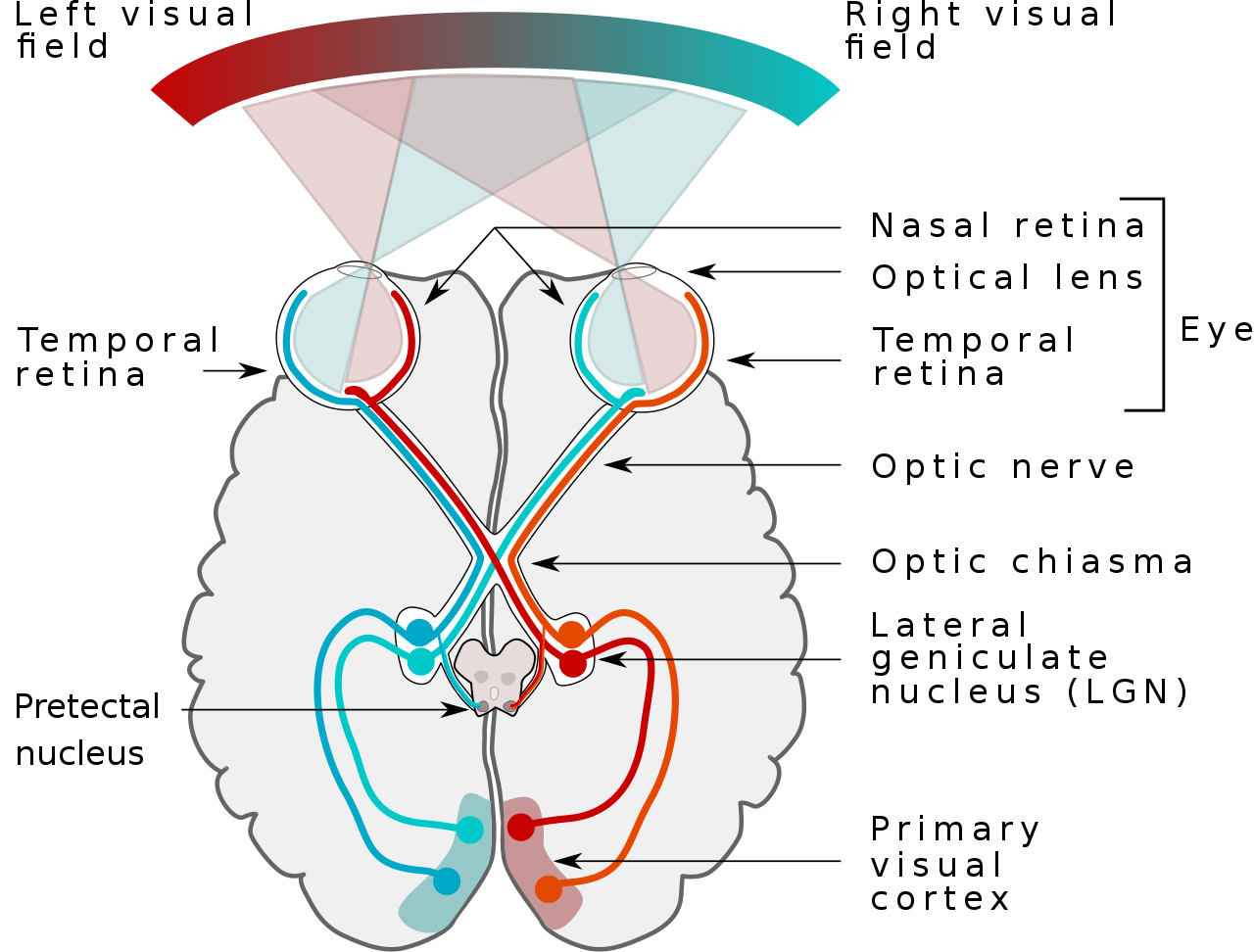
- 👁️ The Connection Between the Eye and the Brain
- 🤖 The Impact of Technology on the Visual System
- 📊 The Mathematics of Visual Perception
- 👥 The Psychology of Visual Perception
- 🔬 Current Research and Future Directions
- 📚 Conclusion: The Complexity of the Human Visual System
- Frequently Asked Questions
- Related Topics
Overview
The human visual system is a intricate process that involves the eyes, brain, and nervous system to interpret and understand visual information from the environment. It begins with the absorption of light by photoreceptor cells in the retina, which then send signals to the optic nerve and eventually to the brain for processing. The brain interprets these signals, using past experiences and learned patterns to recognize objects, colors, and movement. However, the human visual system is not just a biological process, but also a psychological and technological one, with advancements in fields like computer vision and virtual reality pushing the boundaries of what we can see and experience. With a vibe score of 8, the human visual system is a topic of significant cultural energy, influencing fields from art and design to medicine and engineering. As researchers continue to study and improve our understanding of the human visual system, we may uncover new ways to enhance or restore vision, and even create new forms of visual perception.
🔍 Introduction to the Human Visual System
The human visual system is a complex network of light and perception that enables us to interpret and understand the world around us. The visual system is the physiological basis of visual perception, and it detects, transduces, and interprets information concerning light within the visible range to construct an image and build a mental model of the surrounding environment. The visual system is associated with the eye and functionally divided into the optical system and the neural system. This system is crucial for our daily lives, and it is closely related to other senses, such as hearing and touch. The study of the visual system is an interdisciplinary field that involves biology, psychology, and technology.
👀 The Anatomy of the Eye
The anatomy of the eye is a fascinating topic that has been studied for centuries. The eye is a complex organ that consists of several layers, including the cornea, the lens, and the retina. The cornea is the outermost layer of the eye, and it plays a crucial role in refracting light. The lens is a flexible structure that changes shape to focus on objects at different distances. The retina is the innermost layer of the eye, and it contains specialized cells called photoreceptors that convert light into electrical signals. These signals are then transmitted to the brain through the optic nerve. The eye is also closely related to other parts of the body, such as the brain stem and the cerebral cortex.
💡 The Optical System: How Light Enters the Eye
The optical system is responsible for focusing light onto the retina. This system includes the cornea, the lens, and the pupil. The cornea and the lens work together to refract light and focus it onto the retina. The pupil is the opening at the center of the iris, and it regulates the amount of light that enters the eye. The optical system is a critical component of the visual system, and it is essential for visual acuity and depth perception. The optical system is also closely related to other systems, such as the vestibular system, which is responsible for balance and equilibrium. The study of the optical system involves physics and mathematics, and it has many practical applications in fields such as optometry and ophthalmology.
🔌 The Neural System: Processing Visual Information
The neural system is responsible for processing visual information and transmitting it to the brain. This system includes the retina, the optic nerve, and the lateral geniculate nucleus. The retina contains specialized cells called photoreceptors that convert light into electrical signals. These signals are then transmitted to the optic nerve, which carries them to the lateral geniculate nucleus. The lateral geniculate nucleus is a structure in the thalamus that relays visual information to the cerebral cortex. The neural system is a complex network of neurons and synapses that work together to enable us to perceive and interpret visual information. The study of the neural system involves neuroscience and psychology, and it has many practical applications in fields such as neurology and psychiatry.
📸 The Role of the Retina in Visual Perception
The retina is a critical component of the visual system, and it plays a central role in visual perception. The retina contains two types of photoreceptors: rods and cones. Rods are sensitive to low light levels and are responsible for peripheral vision. Cones are sensitive to color and are responsible for central vision. The retina also contains a layer of cells called bipolar cells that transmit signals from the photoreceptors to the optic nerve. The retina is a complex and highly specialized tissue that is essential for visual perception. The study of the retina involves cell biology and molecular biology, and it has many practical applications in fields such as ophthalmology and optometry.
👁️ The Connection Between the Eye and the Brain
The connection between the eye and the brain is a complex and highly specialized system. The optic nerve carries visual information from the eye to the brain, where it is processed and interpreted. The brain uses this information to create a mental model of the surrounding environment, which enables us to navigate and interact with the world. The connection between the eye and the brain is also closely related to other senses, such as hearing and touch. The study of this connection involves neuroscience and psychology, and it has many practical applications in fields such as neurology and psychiatry.
🤖 The Impact of Technology on the Visual System
The impact of technology on the visual system is a rapidly evolving field. Advances in computer vision and machine learning have enabled the development of sophisticated systems that can interpret and understand visual information. These systems have many practical applications in fields such as medicine, transportation, and security. The study of the impact of technology on the visual system involves computer science and engineering, and it has many potential benefits and risks. For example, the development of artificial intelligence systems that can interpret visual information could have significant benefits for fields such as medicine and education. However, it also raises important questions about privacy and ethics.
📊 The Mathematics of Visual Perception
The mathematics of visual perception is a complex and highly specialized field. It involves the use of mathematical models and algorithms to understand and interpret visual information. The study of visual perception involves geometry, calculus, and statistics, and it has many practical applications in fields such as computer vision and machine learning. The mathematics of visual perception is also closely related to other fields, such as physics and psychology. For example, the study of optics involves the use of mathematical models to understand the behavior of light and its interaction with matter. The study of psychophysics involves the use of mathematical models to understand the relationship between physical stimuli and perceptual responses.
👥 The Psychology of Visual Perception
The psychology of visual perception is a complex and highly specialized field. It involves the study of how we perceive and interpret visual information, and how this information is used to create a mental model of the surrounding environment. The study of visual perception involves cognitive psychology, neuroscience, and philosophy, and it has many practical applications in fields such as education and marketing. The psychology of visual perception is also closely related to other fields, such as social psychology and developmental psychology. For example, the study of social perception involves the use of visual information to understand and interpret social cues. The study of developmental psychology involves the use of visual information to understand and interpret developmental processes.
🔬 Current Research and Future Directions
Current research and future directions in the field of visual perception are rapidly evolving. Advances in neuroscience, computer science, and engineering are enabling the development of new technologies and treatments for visual disorders. For example, the development of brain-computer interfaces could enable people with visual impairments to interact with the world in new and innovative ways. The study of visual perception also involves ethics and policy, and it has many potential benefits and risks. For example, the development of artificial intelligence systems that can interpret visual information could have significant benefits for fields such as medicine and education. However, it also raises important questions about privacy and ethics.
📚 Conclusion: The Complexity of the Human Visual System
The complexity of the human visual system is a fascinating topic that has been studied for centuries. The visual system is a complex network of light and perception that enables us to interpret and understand the world around us. The study of the visual system involves biology, psychology, and technology, and it has many practical applications in fields such as medicine, education, and marketing. The complexity of the human visual system is also closely related to other fields, such as philosophy and anthropology. For example, the study of perception involves the use of visual information to understand and interpret the world. The study of culture involves the use of visual information to understand and interpret cultural differences.
Key Facts
- Year
- 2023
- Origin
- Ancient Greece, with significant contributions from scientists like Hermann von Helmholtz and modern researchers in ophthalmology, neuroscience, and computer science.
- Category
- Biology, Psychology, Technology
- Type
- Biological System
Frequently Asked Questions
What is the human visual system?
The human visual system is a complex network of light and perception that enables us to interpret and understand the world around us. It involves the eye, the optic nerve, and the brain, and it is essential for our daily lives. The study of the visual system involves biology, psychology, and technology, and it has many practical applications in fields such as medicine, education, and marketing.
How does the eye work?
The eye is a complex organ that consists of several layers, including the cornea, the lens, and the retina. The cornea is the outermost layer of the eye, and it plays a crucial role in refracting light. The lens is a flexible structure that changes shape to focus on objects at different distances. The retina is the innermost layer of the eye, and it contains specialized cells called photoreceptors that convert light into electrical signals. These signals are then transmitted to the brain through the optic nerve.
What is the role of the retina in visual perception?
The retina is a critical component of the visual system, and it plays a central role in visual perception. The retina contains two types of photoreceptors: rods and cones. Rods are sensitive to low light levels and are responsible for peripheral vision. Cones are sensitive to color and are responsible for central vision. The retina also contains a layer of cells called bipolar cells that transmit signals from the photoreceptors to the optic nerve.
How does the brain process visual information?
The brain uses visual information to create a mental model of the surrounding environment, which enables us to navigate and interact with the world. The brain processes visual information in a hierarchical manner, with early stages of processing involving the detection of simple features such as lines and edges, and later stages involving the recognition of complex objects and scenes. The brain also uses visual information to guide movement and action, and it is closely related to other senses, such as hearing and touch.
What are some potential applications of visual perception research?
Visual perception research has many potential applications in fields such as medicine, education, and marketing. For example, the development of brain-computer interfaces could enable people with visual impairments to interact with the world in new and innovative ways. The study of visual perception could also inform the design of more effective visual displays and interfaces, and it could enable the development of more sophisticated artificial intelligence systems that can interpret and understand visual information.
What are some of the challenges and limitations of visual perception research?
Visual perception research is a complex and highly interdisciplinary field, and it involves many challenges and limitations. For example, the study of visual perception requires the use of sophisticated technologies, such as functional magnetic resonance imaging and electroencephalography. The study of visual perception also requires the use of complex mathematical models and algorithms, and it involves many potential sources of error and bias. Additionally, the study of visual perception raises important questions about ethics and policy, and it has many potential benefits and risks.
How can I learn more about visual perception?
There are many ways to learn more about visual perception, including taking courses, reading books and articles, and attending conferences and workshops. The study of visual perception involves biology, psychology, and technology, and it has many practical applications in fields such as medicine, education, and marketing. You can also explore online resources, such as visual perception websites and blogs, and you can participate in online forums and discussions to learn more about the topic.