
Contents
- 🌎 Introduction to the Israeli-Palestinian Conflict
- 🏛️ Historical Background: The Roots of the Conflict
- 🚫 The Palestinian Refugee Crisis: A Lasting Impact
- 🏗️ Israeli Settlements: A Point of Contention
- 💧 Water Rights and the Struggle for Resources
- 🚫 The Israeli Occupation: West Bank and Gaza Strip
- 🗺️ Borders and Security: A Delicate Balance
- 👥 The Permit Regime: Restricting Palestinian Movement
- 🏙️ The Status of Jerusalem: A City of Conflict
- 💬 Peace Negotiations: A History of Failure and Hope
- 📊 The Human Cost: Casualties and Displacement
- 🔜 Future Prospects: A Path to Peace?
- Frequently Asked Questions
- Related Topics
Overview
The Israeli-Palestinian conflict is a longstanding dispute over land, identity, and self-determination, with roots dating back to the early 20th century. The 1948 Arab-Israeli War and the subsequent establishment of the State of Israel led to the displacement of hundreds of thousands of Palestinians, known as the Nakba or 'catastrophe' in Arabic. Today, the conflict centers on issues like Israeli settlement expansion, Gaza's blockade, and the status of Jerusalem. With a vibe score of 8.2, reflecting its high cultural energy and global attention, the conflict has been marked by periods of relative calm punctuated by outbreaks of violence, including the 2014 Gaza War, which resulted in over 2,200 Palestinian deaths and 73 Israeli deaths. The conflict has also been shaped by international involvement, including the 1993 Oslo Accords and the 2003 Roadmap for Peace, which have aimed to establish a two-state solution. However, with the current Israeli government's stance on settlements and the Palestinian Authority's internal divisions, a lasting resolution seems increasingly elusive, with 71% of Israelis and 64% of Palestinians reportedly skeptical about the prospects for peace.
🌎 Introduction to the Israeli-Palestinian Conflict
The Israeli-Palestinian conflict is a longstanding dispute over land and self-determination, with roots dating back to the early 20th century. The conflict has been marked by periods of relative calm punctuated by outbreaks of violence, including the First Intifada and the Gaza War. At its core, the conflict is a struggle for Palestinian statehood and recognition, with Israel seeking to maintain its sovereignty and security. The conflict has been shaped by a complex array of factors, including the Palestinian refugee crisis and the Israeli settlement movement.
🏛️ Historical Background: The Roots of the Conflict
The historical background of the conflict is complex and multifaceted, with various British Mandate for Palestine and United Nations Partition Plan playing a significant role. The 1948 Arab–Israeli War marked a turning point in the conflict, resulting in the displacement of hundreds of thousands of Palestinians and the establishment of Israel as an independent state. The conflict has been influenced by a range of regional and international actors, including the United States and the European Union. The Middle East Peace Process has been a key framework for negotiations, but has yet to yield a lasting resolution.
🚫 The Palestinian Refugee Crisis: A Lasting Impact
The Palestinian refugee crisis is a lasting impact of the conflict, with hundreds of thousands of Palestinians displaced from their homes and forced to live in refugee camps. The right of return is a central demand of the Palestinian people, with many seeking to return to their ancestral homes in Israel and the West Bank. The United Nations Relief and Works Agency for Palestine Refugees in the Near East (UNRWA) has played a crucial role in providing support to Palestinian refugees, but the agency faces significant funding challenges. The Palestinian refugee crisis is a humanitarian issue that requires a comprehensive and sustainable solution.
🏗️ Israeli Settlements: A Point of Contention
Israeli settlements are a point of contention in the conflict, with Israel establishing settlements in the West Bank and Gaza Strip despite international opposition. The settlement movement is driven by a range of factors, including religious and ideological motivations. The International Court of Justice has ruled that the settlements are illegal under international law, but Israel has continued to expand its settlement program. The two-state solution is widely seen as the most viable solution to the conflict, but the settlement issue remains a significant obstacle.
💧 Water Rights and the Struggle for Resources
Water rights are a critical issue in the conflict, with Israel controlling the majority of the water resources in the West Bank and Gaza Strip. The water crisis in Gaza Strip is particularly acute, with the Gaza Water Crisis having a devastating impact on the local population. The Palestinian Water Authority has sought to address the water crisis, but faces significant challenges in terms of funding and infrastructure. The water rights issue is a key aspect of the conflict, with Israel and the Palestinians competing for control of this vital resource.
🚫 The Israeli Occupation: West Bank and Gaza Strip
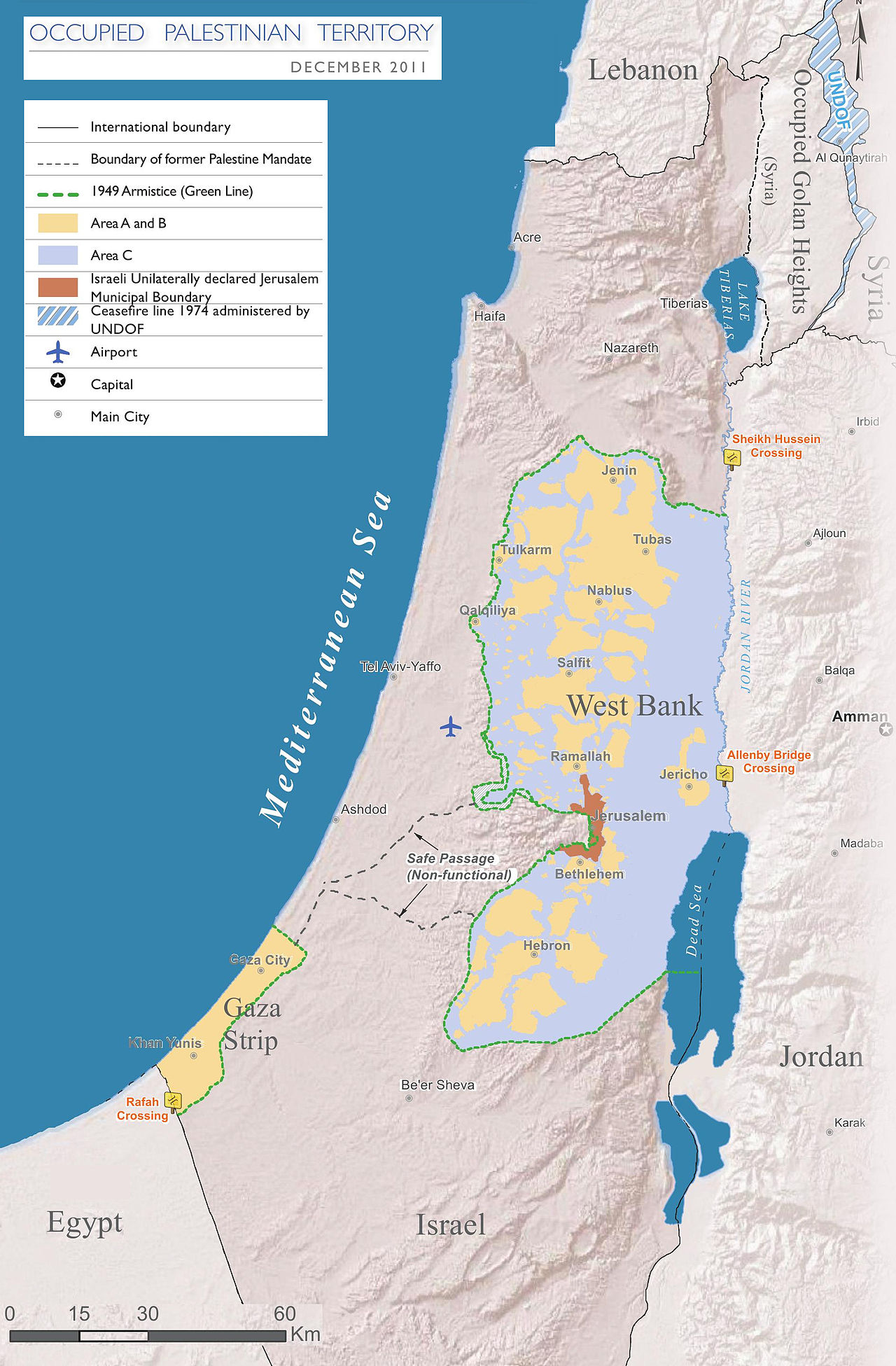
The Israeli occupation of the West Bank and Gaza Strip is a central aspect of the conflict, with Israel maintaining a significant military presence in both territories. The occupation has been marked by a range of human rights abuses, including the use of administrative detention and the construction of the Israeli West Bank barrier. The International Court of Justice has ruled that the barrier is illegal under international law, but Israel has continued to expand its construction. The occupation is a major obstacle to a lasting resolution to the conflict, with the Palestinians seeking an end to Israeli rule and the establishment of an independent state.
🗺️ Borders and Security: A Delicate Balance
The issue of borders and security is a delicate balance in the conflict, with Israel seeking to maintain its security while the Palestinians seek to establish an independent state. The border dispute is a key aspect of the conflict, with Israel and the Palestinians competing for control of the West Bank and Gaza Strip. The security barrier constructed by Israel has been a major point of contention, with the International Court of Justice ruling that it is illegal under international law. The two-state solution is widely seen as the most viable solution to the conflict, but the border issue remains a significant obstacle.
👥 The Permit Regime: Restricting Palestinian Movement
The permit regime in the West Bank and Gaza Strip is a restrictive system that limits the movement of Palestinians. The permit regime is administered by the Israeli military, which has significant discretion in terms of who is granted a permit and who is not. The humanitarian crisis in Gaza Strip is particularly acute, with the Gaza Blockade having a devastating impact on the local population. The permit regime is a key aspect of the conflict, with the Palestinians seeking greater freedom of movement and the Israel seeking to maintain its security.
🏙️ The Status of Jerusalem: A City of Conflict
The status of Jerusalem is a city of conflict, with Israel and the Palestinians competing for control of the city. The Jerusalem dispute is a key aspect of the conflict, with Israel seeking to maintain its sovereignty over the city and the Palestinians seeking to establish Jerusalem as the capital of an independent state. The Temple Mount is a particularly sensitive issue, with Israel and the Palestinians competing for control of the site. The two-state solution is widely seen as the most viable solution to the conflict, but the Jerusalem issue remains a significant obstacle.
💬 Peace Negotiations: A History of Failure and Hope
Peace negotiations have been a key aspect of the conflict, with Israel and the Palestinians engaging in a range of talks and agreements. The Oslo Accords were a significant breakthrough, but the Second Intifada marked a major setback. The Kerry Initiative was a recent attempt to revive the peace process, but it ultimately failed to yield a lasting resolution. The two-state solution is widely seen as the most viable solution to the conflict, but the peace process remains stalled.
📊 The Human Cost: Casualties and Displacement
The human cost of the conflict has been significant, with thousands of Palestinians and Israelis killed or injured. The Gaza War was a particularly devastating conflict, with over 2,000 Palestinians killed and thousands more displaced. The conflict has also had a significant impact on the economy of the region, with Israel and the Palestinians both suffering significant losses. The human cost of the conflict is a key aspect of the dispute, with both sides seeking to minimize the harm to civilians.
🔜 Future Prospects: A Path to Peace?
The future prospects for a resolution to the conflict are uncertain, with Israel and the Palestinians remaining far apart on key issues. The two-state solution is widely seen as the most viable solution to the conflict, but the settlement issue and the Jerusalem dispute remain significant obstacles. The international community has a key role to play in resolving the conflict, with the United States and the European Union seeking to revive the peace process. The future prospects for a resolution to the conflict are uncertain, but there is a growing recognition of the need for a comprehensive and sustainable solution.
Key Facts
- Year
- 1948
- Origin
- Middle East
- Category
- Geopolitics, Middle East
- Type
- Geopolitical Conflict
Frequently Asked Questions
What is the Israeli-Palestinian conflict about?
The Israeli-Palestinian conflict is a longstanding dispute over land and self-determination, with roots dating back to the early 20th century. The conflict is a struggle for Palestinian statehood and recognition, with Israel seeking to maintain its sovereignty and security. The conflict has been shaped by a complex array of factors, including the Palestinian refugee crisis and the Israeli settlement movement.
What is the status of Jerusalem in the conflict?
The status of Jerusalem is a city of conflict, with Israel and the Palestinians competing for control of the city. The Jerusalem dispute is a key aspect of the conflict, with Israel seeking to maintain its sovereignty over the city and the Palestinians seeking to establish Jerusalem as the capital of an independent state.
What is the human cost of the conflict?
The human cost of the conflict has been significant, with thousands of Palestinians and Israelis killed or injured. The Gaza War was a particularly devastating conflict, with over 2,000 Palestinians killed and thousands more displaced. The conflict has also had a significant impact on the economy of the region, with Israel and the Palestinians both suffering significant losses.
What is the role of the international community in resolving the conflict?
The international community has a key role to play in resolving the conflict, with the United States and the European Union seeking to revive the peace process. The international community can provide economic and diplomatic support to both sides, and can help to facilitate negotiations and agreements.
What is the future prospects for a resolution to the conflict?
The future prospects for a resolution to the conflict are uncertain, with Israel and the Palestinians remaining far apart on key issues. The two-state solution is widely seen as the most viable solution to the conflict, but the settlement issue and the Jerusalem dispute remain significant obstacles. The international community has a key role to play in resolving the conflict, and there is a growing recognition of the need for a comprehensive and sustainable solution.
What is the impact of the conflict on the regional economy?
The conflict has had a significant impact on the regional economy, with both Israel and the Palestinians suffering significant losses. The conflict has disrupted trade and investment, and has led to a decline in economic growth and development. The international community can provide economic support to both sides, and can help to facilitate economic cooperation and development.
What is the role of the United States in the conflict?
The United States has a key role to play in the conflict, with the US seeking to revive the peace process and facilitate negotiations between Israel and the Palestinians. The US has provided significant economic and diplomatic support to both sides, and has sought to promote a comprehensive and sustainable solution to the conflict.