
Contents
- 🏛️ Introduction to John Calvin
- 📜 Early Life and Education
- 🕊️ Theological Influences
- 📢 The Protestant Reformation
- 🔥 Development of Calvinism
- 🌎 Spread of Calvinist Doctrines
- 👥 Reformed Church Movements
- 📚 Key Writings and Teachings
- 💡 Legacy and Impact
- 🤝 Criticisms and Controversies
- 🌐 Global Influence
- 👑 Conclusion
- Frequently Asked Questions
- Related Topics
Overview
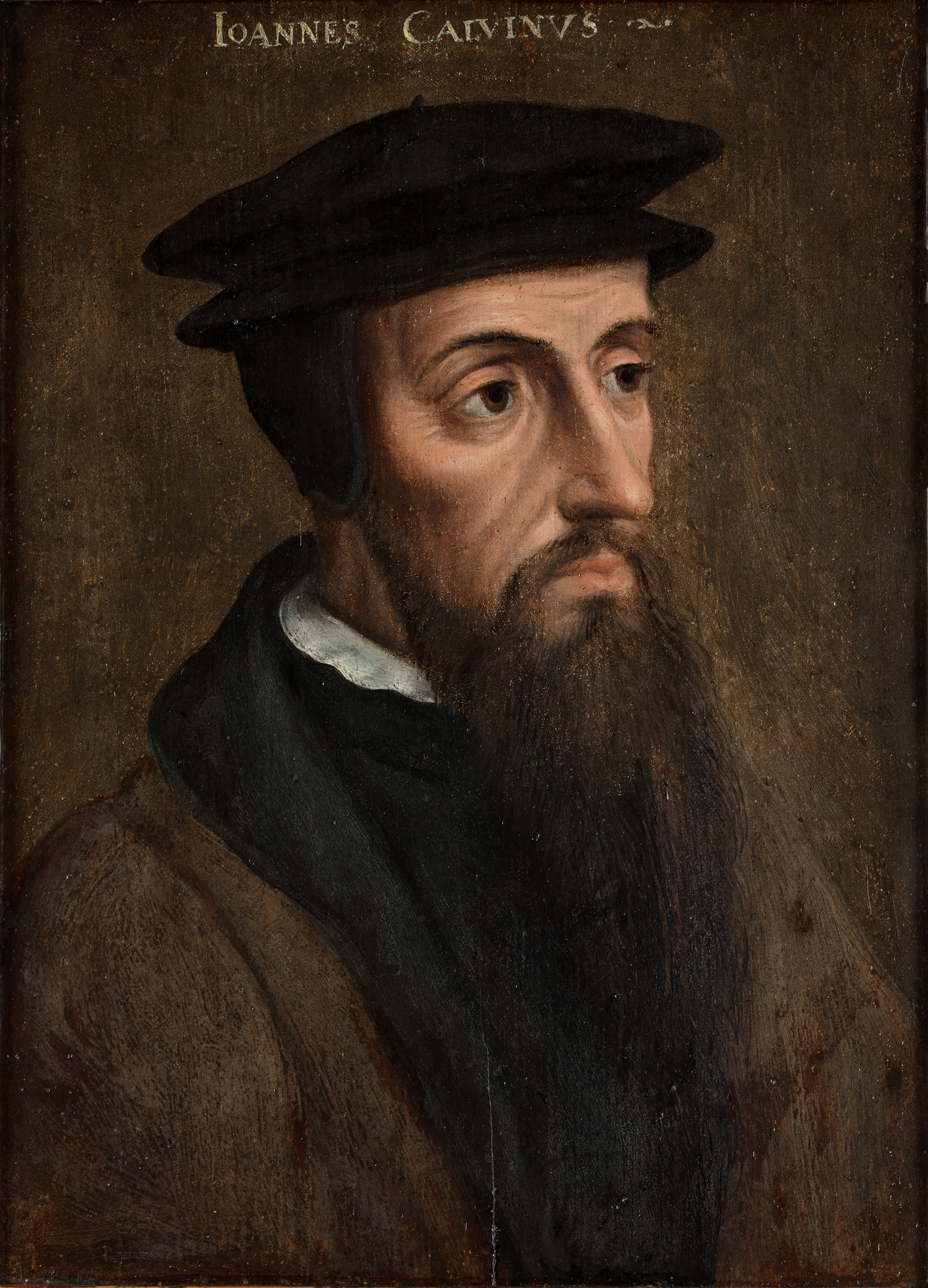
John Calvin, a 16th-century French theologian and pastor, played a pivotal role in the Protestant Reformation, leaving an indelible mark on Christian theology and practice. Born on July 10, 1509, in Noyon, France, Calvin's writings, particularly his seminal work 'Institutes of the Christian Religion,' continue to influence Protestant denominations worldwide. With a Vibe score of 82, reflecting his significant cultural and historical impact, Calvin's ideas on predestination, the sovereignty of God, and the authority of Scripture remain central to Reformed theology. His legacy extends beyond the theological realm, with influence on Western philosophy, politics, and social structures. Despite controversy surrounding his views on predestination and his role in the execution of Michael Servetus, Calvin's contributions to the development of modern Christianity are undeniable. As the Protestant Reformation continues to shape contemporary religious and cultural landscapes, John Calvin's work remains a crucial touchstone for understanding the complexities of Christian theology and its enduring influence on Western society.
🏛️ Introduction to John Calvin
John Calvin was a French theologian, pastor, and reformer in Geneva during the Protestant Reformation. He is widely regarded as one of the most influential figures in Christian history, and his teachings continue to shape Protestant theology to this day. Calvin's work was heavily influenced by Augustine of Hippo, and he is often seen as a key figure in the development of Reformed theology. His ideas about predestination and God's sovereignty have had a lasting impact on Christian thought. As a pastor in Geneva, Calvin worked closely with other reformers, including Martin Luther and Huldrych Zwingli.
📜 Early Life and Education
Calvin was born in 1509 in Noyon, France, and studied law and theology at the University of Paris. He was heavily influenced by the humanist movement, which emphasized the study of classical texts and the potential for human beings to achieve great things through education and reason. Calvin's early life and education laid the foundation for his later work as a theologian and reformer. He was particularly drawn to the writings of Desiderius Erasmus, who was a key figure in the humanist movement. Calvin's own writings, including his famous Institutes of the Christian Religion, reflect the influence of humanist thought.
🕊️ Theological Influences
Calvin's theological influences were diverse and far-reaching. He was deeply influenced by the writings of Augustine of Hippo, who is considered one of the greatest theologians in Christian history. Calvin also drew on the ideas of other Christian thinkers, including Martin Luther and Huldrych Zwingli. His own theology was shaped by his experiences as a pastor and reformer in Geneva, where he worked to establish a more pure and biblical form of Christianity. Calvin's emphasis on predestination and God's sovereignty reflects the influence of Augustine's thought. He also engaged with the ideas of other theologians, including Thomas Aquinas and Duns Scotus.
📢 The Protestant Reformation
The Protestant Reformation was a time of great upheaval and change in Europe. Calvin played a key role in the Reformation, working closely with other reformers to establish a more biblical form of Christianity. The Reformation was sparked by the writings of Martin Luther, who challenged the authority of the Catholic Church and called for reform. Calvin's own contributions to the Reformation included his emphasis on predestination and God's sovereignty. He also worked to establish a more pure and biblical form of worship in Geneva, where he served as a pastor. The Reformation had a profound impact on European society and politics, leading to the establishment of new churches and the challenging of traditional authority.
🔥 Development of Calvinism
Calvin's development of Calvinism was a key aspect of his work as a theologian and reformer. Calvinism emphasizes the sovereignty of God in all things, including salvation. Calvin believed that God had predestined certain individuals for salvation, and that this predestination was not based on human merit or works. Instead, it was a free gift of God's grace. Calvin's teachings on predestination and God's sovereignty have had a lasting impact on Christian thought. His ideas have influenced a wide range of Christian denominations, including Presbyterianism and Congregationalism. Calvin's own church in Geneva, the Reformed Church of Geneva, became a model for other Reformed churches throughout Europe.
🌎 Spread of Calvinist Doctrines
The spread of Calvinist doctrines was a gradual process that took place over several centuries. Calvin's own writings, including his Institutes of the Christian Religion, were widely read and influential. His ideas about predestination and God's sovereignty were adopted by a wide range of Christian denominations, including Presbyterianism and Congregationalism. Calvinist churches were established in many parts of Europe, including Scotland, England, and the Netherlands. The Scottish Reformation, led by John Knox, was heavily influenced by Calvin's ideas. Today, Calvinist churches can be found all over the world, and Calvin's teachings continue to shape Protestant theology.
👥 Reformed Church Movements
Reformed Church movements have played a significant role in the spread of Calvinist doctrines. These movements, which include Continental Reformed, Congregationalism, and Presbyterianism, have established churches and promoted Calvin's teachings in many parts of the world. The Reformed Church of Geneva, where Calvin served as a pastor, became a model for other Reformed churches throughout Europe. Today, Reformed churches can be found in many countries, including the United States, Canada, and Australia. Calvin's ideas about predestination and God's sovereignty continue to shape the theology and practice of these churches.
📚 Key Writings and Teachings
Calvin's key writings and teachings include his Institutes of the Christian Religion, which is considered one of the most important works of the Protestant Reformation. In this book, Calvin outlines his views on predestination, God's sovereignty, and other key theological topics. Calvin also wrote extensively on the Bible, producing commentaries on many books of the Old and New Testaments. His commentaries on Genesis and Psalms are particularly notable. Calvin's writings have had a lasting impact on Christian thought and continue to be studied by theologians and scholars today.
💡 Legacy and Impact
Calvin's legacy and impact are still felt today. His teachings on predestination and God's sovereignty have shaped the theology and practice of many Christian denominations. Calvin's emphasis on the authority of the Bible and the importance of justification by faith has also had a lasting impact on Christian thought. The Reformed theology that Calvin helped to establish has influenced a wide range of Christian traditions, including Presbyterianism and Congregationalism. Calvin's own church in Geneva, the Reformed Church of Geneva, became a model for other Reformed churches throughout Europe.
🤝 Criticisms and Controversies
Despite his significant contributions to Christian theology, Calvin has also been the subject of criticisms and controversies. Some have criticized his views on predestination, arguing that they are too narrow and restrictive. Others have challenged his emphasis on God's sovereignty, arguing that it undermines human freedom and responsibility. Calvin's role in the execution of Michael Servetus, a Spanish theologian who was accused of heresy, has also been the subject of controversy. Calvin's defenders argue that he was acting in accordance with the laws and customs of his time, but others see his actions as a betrayal of his commitment to religious freedom and tolerance.
🌐 Global Influence
Calvin's global influence can be seen in the many Christian denominations and churches that have been established around the world. His teachings on predestination and God's sovereignty have shaped the theology and practice of many Christian traditions, including Presbyterianism and Congregationalism. The Reformed theology that Calvin helped to establish has influenced a wide range of Christian denominations, from the Reformed Church of Geneva to the Presbyterian Church in America. Today, Calvin's ideas continue to shape Christian thought and practice, and his legacy can be seen in the many churches and denominations that have been established around the world.
👑 Conclusion
In conclusion, John Calvin was a significant figure in the Protestant Reformation, and his teachings continue to shape Christian thought and practice today. His emphasis on predestination and God's sovereignty has had a lasting impact on Christian theology, and his ideas have influenced a wide range of Christian denominations. Calvin's own church in Geneva, the Reformed Church of Geneva, became a model for other Reformed churches throughout Europe, and his legacy can be seen in the many churches and denominations that have been established around the world. As we look to the future, it is clear that Calvin's ideas will continue to shape Christian thought and practice, and his influence will be felt for generations to come.
Key Facts
- Year
- 1509
- Origin
- Noyon, France
- Category
- History, Theology
- Type
- Historical Figure
Frequently Asked Questions
What was John Calvin's role in the Protestant Reformation?
John Calvin was a key figure in the Protestant Reformation, working closely with other reformers to establish a more biblical form of Christianity. His emphasis on predestination and God's sovereignty helped to shape the theology and practice of many Christian denominations. Calvin's own church in Geneva, the Reformed Church of Geneva, became a model for other Reformed churches throughout Europe.
What are the key teachings of Calvinism?
The key teachings of Calvinism include the sovereignty of God in all things, including salvation, and the doctrine of predestination. Calvinists believe that God has predestined certain individuals for salvation, and that this predestination is not based on human merit or works. Instead, it is a free gift of God's grace. Calvinism also emphasizes the authority of the Bible and the importance of justification by faith.
How did Calvin's teachings influence the development of Reformed theology?
Calvin's teachings had a significant influence on the development of Reformed theology. His emphasis on predestination and God's sovereignty helped to shape the theology and practice of many Christian denominations. Calvin's own church in Geneva, the Reformed Church of Geneva, became a model for other Reformed churches throughout Europe. The Reformed theology that Calvin helped to establish has influenced a wide range of Christian denominations, from the Reformed Church of Geneva to the Presbyterian Church in America.
What is the significance of Calvin's Institutes of the Christian Religion?
Calvin's Institutes of the Christian Religion is considered one of the most important works of the Protestant Reformation. In this book, Calvin outlines his views on predestination, God's sovereignty, and other key theological topics. The Institutes have had a lasting impact on Christian thought and continue to be studied by theologians and scholars today.
How has Calvin's legacy been received by different Christian traditions?
Calvin's legacy has been received in different ways by different Christian traditions. Some have criticized his views on predestination, arguing that they are too narrow and restrictive. Others have challenged his emphasis on God's sovereignty, arguing that it undermines human freedom and responsibility. However, many Christian denominations, including Presbyterianism and Congregationalism, have been shaped by Calvin's teachings and continue to affirm his emphasis on predestination and God's sovereignty.
What is the current state of Calvinist theology and practice?
Calvinist theology and practice continue to evolve and develop today. Many Christian denominations, including Presbyterianism and Congregationalism, remain committed to Calvin's teachings on predestination and God's sovereignty. However, there are also many diverse perspectives and interpretations within Calvinist theology, and ongoing debates about the meaning and implications of Calvin's ideas. As Christianity continues to grow and develop around the world, it is likely that Calvinist theology and practice will continue to play an important role in shaping Christian thought and practice.
How has Calvin's influence extended beyond Christian theology?
Calvin's influence has extended beyond Christian theology to shape Western culture and society more broadly. His emphasis on the importance of education and the value of hard work helped to shape the Protestant work ethic, which has had a significant impact on Western economics and politics. Calvin's ideas about God's sovereignty and predestination have also influenced Western philosophy, particularly in the areas of metaphysics and epistemology.