
Contents
- 🌳 Introduction to Oranges
- 🍊 The Botany of Oranges
- 🌴 The Origins of Oranges
- 🍋 The Hybridization of Oranges
- 🧬 The Genome of Oranges
- 🌈 The Diversity of Oranges
- 🍊 The Cultural Significance of Oranges
- 🌎 The Economic Impact of Oranges
- 🚨 The Controversies Surrounding Oranges
- 👥 The Future of Oranges
- Frequently Asked Questions
- Related Topics
Overview
Oranges, with a vibe score of 82, are one of the most widely consumed fruits globally, yet their history is marked by controversy and tension. Originating in China over 4,000 years ago, oranges were introduced to the Mediterranean by the Arabs in the 9th century and later became a staple in European trade, with the likes of Christopher Columbus and the Dutch East India Company playing significant roles in their dissemination. Today, oranges are a major commodity, with Brazil, China, and the United States being among the top producers, and their production is fraught with debates over labor rights, environmental impact, and genetic modification. The influence of oranges can be seen in various aspects of culture, from art to literature, with notable references in the works of authors like Jeanette Winterson and Salmon Rushdie. As the world grapples with issues of sustainability and food security, the future of oranges hangs in the balance, with some predicting a shift towards more sustainable and equitable production methods, while others foresee a continued reliance on industrial-scale farming. With a controversy spectrum rating of 6 out of 10, the topic of oranges is sure to remain a contentious and thought-provoking subject in the years to come.
🌳 Introduction to Oranges
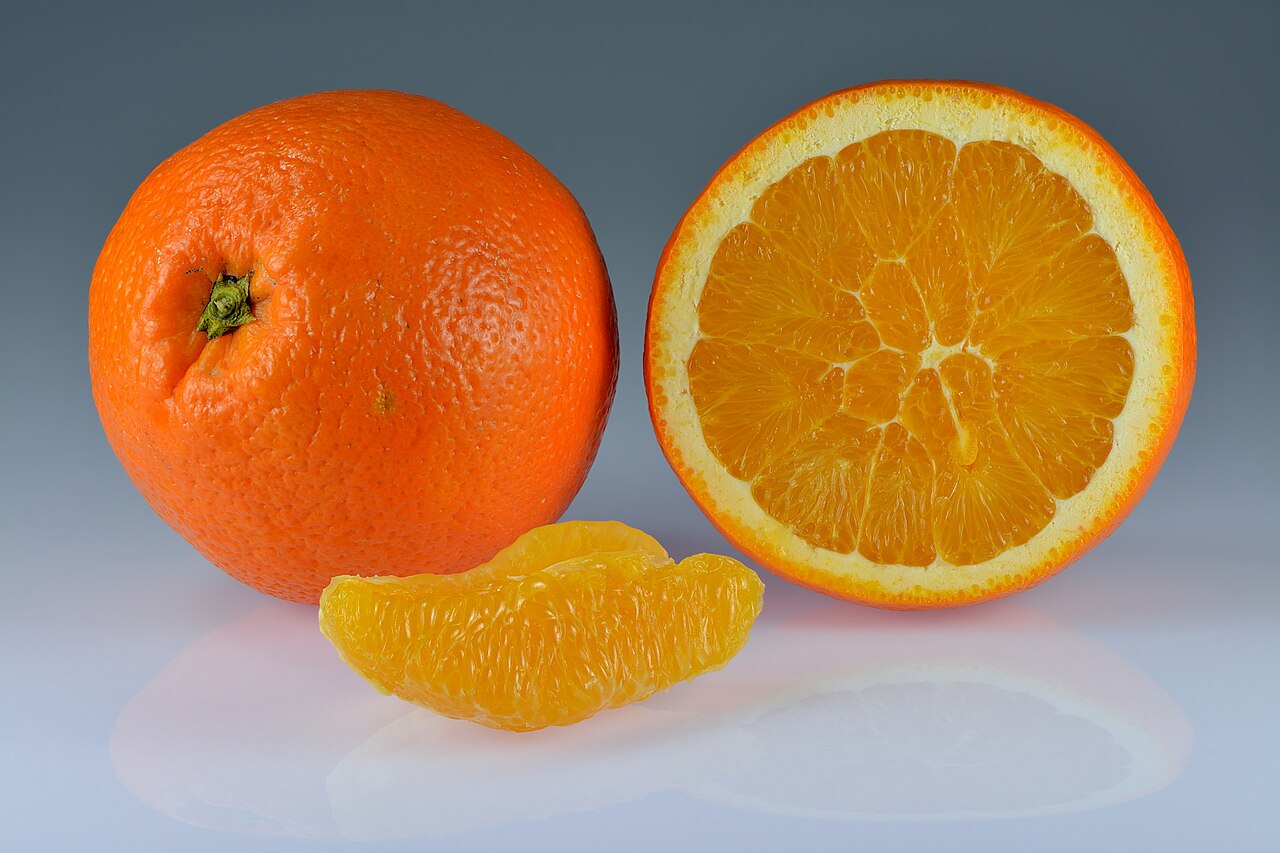
Oranges are one of the most widely consumed fruits in the world, and their history is as complex as their flavor profile. As a Food item, oranges have been a staple in many cultures for centuries, with a History that dates back to ancient China. The orange tree, a member of the Rutaceae family, is a hybrid of the Pomelo and the Mandarin orange, making it a unique specimen in the world of Botany. With its sweet and juicy pulp, oranges have become a favorite among fruit lovers, but their production and trade have also been marred by Controversy.
🍊 The Botany of Oranges
From a botanical standpoint, oranges are a fascinating specimen. The sweet orange, also known as Citrus × sinensis, is a hybrid of the Pomelo and the Mandarin orange. This hybridization has resulted in a fruit that is not only delicious but also packed with nutrients, making it a popular choice among Health enthusiasts. The Chloroplast genome of oranges is that of the Pomelo, which provides insight into the maternal line of the fruit. Furthermore, the study of Botany has helped us understand the complex relationships between different plant species, including the Rutaceae family.
🌴 The Origins of Oranges
The origins of oranges are shrouded in mystery, but historians believe that they originated in Asia, where they were first cultivated over 4,000 years ago. From there, oranges were introduced to the Mediterranean region by the Arabs and later became a staple in European cuisine. Today, oranges are grown in many parts of the world, with top producers including Brazil, China, and the United States. The History of oranges is a testament to the power of Trade and Cultural Exchange in shaping the course of human civilization.
🍋 The Hybridization of Oranges
The hybridization of oranges has resulted in a wide range of varieties, each with its unique characteristics and flavor profile. The sweet orange, for example, is a hybrid of the Pomelo and the Mandarin orange, while the Grapefruit is a hybrid of the sweet orange and the Pomelo. This process of hybridization has allowed farmers to create new and exciting varieties of oranges, which has helped to increase their popularity among consumers. The study of Genetics has also shed light on the complex process of hybridization, which is essential for the development of new crop varieties.
🧬 The Genome of Oranges
The genome of oranges has been fully sequenced, providing scientists with a wealth of information about the fruit's genetic makeup. This knowledge has helped researchers to better understand the complex relationships between different plant species and has paved the way for the development of new technologies in the field of Agriculture. The study of Genomics has also enabled scientists to identify genes that are responsible for specific traits, such as disease resistance and flavor profile. Furthermore, the analysis of the orange genome has provided insights into the Evolution of the fruit and its relationships with other plant species.
🌈 The Diversity of Oranges
Oranges are a diverse fruit, with many different varieties available in the market. From the sweet and juicy Valencia orange to the bitter and sour Seville orange, each variety has its unique characteristics and uses. The diversity of oranges is a testament to the power of Agriculture and the creativity of farmers, who have developed new and exciting varieties of the fruit over the centuries. The study of Horticulture has also played a crucial role in the development of new orange varieties, which has helped to increase their popularity among consumers.
🍊 The Cultural Significance of Oranges
Oranges have a significant cultural impact, with many different cultures and traditions associated with the fruit. In China, for example, oranges are a symbol of good luck and prosperity, while in Italy, they are a staple in many traditional dishes. The cultural significance of oranges is a testament to the power of Food to bring people together and create a sense of community. The study of Anthropology has also shed light on the cultural significance of oranges, which has helped to promote cross-cultural understanding and appreciation.
🌎 The Economic Impact of Oranges
The economic impact of oranges is significant, with the fruit being a major source of income for many countries. The production and trade of oranges are a complex process, involving many different stakeholders and industries. The study of Economics has helped to understand the complex relationships between different economic agents and has provided insights into the impact of Globalization on the orange industry. Furthermore, the analysis of the orange market has provided insights into the Trade patterns and trends that shape the industry.
🚨 The Controversies Surrounding Oranges
Despite their popularity, oranges have also been at the center of many controversies. From the use of Pesticides in orange production to the impact of Climate Change on orange crops, there are many challenges facing the orange industry. The study of Environmental Science has helped to understand the complex relationships between human activities and the environment, which has provided insights into the impact of orange production on the environment. Furthermore, the analysis of the orange industry has provided insights into the Sustainability of orange production and the need for more environmentally friendly practices.
👥 The Future of Oranges
As the world continues to evolve, the future of oranges is uncertain. With the rise of Climate Change and the increasing demand for sustainable and environmentally friendly products, the orange industry will need to adapt to these changes in order to survive. The study of Futures Studies has helped to understand the complex relationships between different trends and drivers that shape the future of the orange industry. Furthermore, the analysis of the orange market has provided insights into the opportunities and challenges that lie ahead for the industry, which will help to shape the future of oranges.
Key Facts
- Year
- 2019
- Origin
- China, 4,000 years ago
- Category
- Food and Agriculture
- Type
- Fruit
Frequently Asked Questions
What is the origin of oranges?
Oranges originated in Asia, where they were first cultivated over 4,000 years ago. From there, they were introduced to the Mediterranean region by the Arabs and later became a staple in European cuisine. The study of History has provided insights into the origins of oranges and their spread across the world.
What is the difference between sweet and bitter oranges?
Sweet oranges, also known as Citrus × sinensis, are a hybrid of the Pomelo and the Mandarin orange. Bitter oranges, on the other hand, are a different species of orange that is often used for its peel and oil. The study of Botany has helped to understand the differences between sweet and bitter oranges, which has provided insights into their unique characteristics and uses.
What is the economic impact of oranges?
The economic impact of oranges is significant, with the fruit being a major source of income for many countries. The production and trade of oranges are a complex process, involving many different stakeholders and industries. The study of Economics has helped to understand the complex relationships between different economic agents and has provided insights into the impact of Globalization on the orange industry.
What are the challenges facing the orange industry?
The orange industry faces many challenges, including the use of Pesticides in orange production, the impact of Climate Change on orange crops, and the increasing demand for sustainable and environmentally friendly products. The study of Environmental Science has helped to understand the complex relationships between human activities and the environment, which has provided insights into the impact of orange production on the environment.
What is the future of oranges?
The future of oranges is uncertain, with the rise of Climate Change and the increasing demand for sustainable and environmentally friendly products. The orange industry will need to adapt to these changes in order to survive. The study of Futures Studies has helped to understand the complex relationships between different trends and drivers that shape the future of the orange industry.