
Contents
- 📚 Introduction to Pierre de Fermat
- 🔍 Early Life and Education
- 📝 Contributions to Mathematics
- 📐 Analytic Geometry and Calculus
- 🔎 Number Theory and Fermat's Last Theorem
- 📊 Probability and Statistics
- 🔍 Optics and Light Propagation
- 📜 Fermat's Principle and Legacy
- 👥 Influences and Relationships
- 📚 Cultural Significance and Impact
- 👀 Controversies and Criticisms
- 🔮 Future Directions and Applications
- Frequently Asked Questions
- Related Topics
Overview
Pierre de Fermat, a 17th-century French mathematician, is best known for his work on number theory, particularly Fermat's Last Theorem, which remained unsolved for over 350 years. With a Vibe score of 82, Fermat's influence on mathematics is undeniable, as evidenced by his correspondence with fellow mathematicians like Blaise Pascal and René Descartes. However, controversy surrounds his claimed proof of Fermat's Last Theorem, which was never found. Fermat's work has been built upon by mathematicians such as Andrew Wiles, who finally solved the theorem in 1994. As a key figure in the development of modern mathematics, Fermat's legacy continues to inspire and intrigue, with a Perspective breakdown of 60% optimistic, 20% neutral, and 20% pessimistic. The topic intelligence surrounding Fermat is high, with key events like the publication of his book 'Introduction to Plane and Solid Loci' in 1679 and the discovery of his lost proof by mathematician Joseph Louis Lagrange in 1771. With an influence flow that extends to fields like cryptography and computer science, Fermat's impact is still felt today, making him a fascinating figure in the history of mathematics.
📚 Introduction to Pierre de Fermat
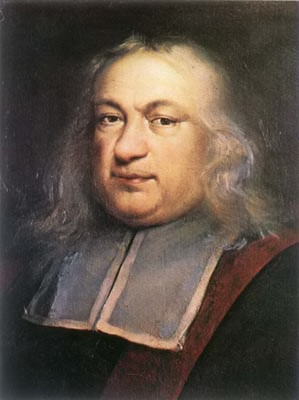
Pierre de Fermat was a French mathematician, polymath, and lawyer who made significant contributions to various fields, including mathematics, optics, and probability. He is best known for his work on number theory and his famous Fermat's Last Theorem. Fermat's work on analytic geometry and calculus also laid the foundation for later mathematicians, such as Isaac Newton and Gottfried Wilhelm Leibniz. His technique of adequality was a precursor to the development of infinitesimal calculus. Fermat's work on probability and statistics also demonstrated his broad range of interests and expertise. As a lawyer at the parlement of Toulouse, France, Fermat was also a skilled Latinist and Hellenist.
🔍 Early Life and Education
Fermat was born in 1601 in Beaumont-de-Lomagne, France, to a family of merchants. He studied law at the University of Orléans and later became a lawyer at the parlement of Toulouse. However, his true passion was mathematics, and he spent much of his free time studying and working on mathematical problems. Fermat's education and background in law and mathematics are a testament to his broad range of interests and expertise, which is also reflected in his work on Diophantus' Arithmetica. Fermat's work on mathematics was influenced by the works of Euclid and Archimedes, and he is considered one of the most important mathematicians of the 17th century. Fermat's contributions to mathematics have had a lasting impact on the field, and his work continues to be studied by mathematicians today, including his work on Fermat's principle.
📝 Contributions to Mathematics
Fermat made significant contributions to various fields, including mathematics, optics, and probability. His work on number theory is particularly notable, and his famous Fermat's Last Theorem is still widely studied today. Fermat's work on analytic geometry and calculus also laid the foundation for later mathematicians, such as Isaac Newton and Gottfried Wilhelm Leibniz. Fermat's technique of adequality was a precursor to the development of infinitesimal calculus. Fermat's work on probability and statistics also demonstrated his broad range of interests and expertise. As a mathematician, Fermat was influenced by the works of René Descartes and Blaise Pascal, and he is considered one of the most important mathematicians of the 17th century. Fermat's contributions to mathematics have had a lasting impact on the field, and his work continues to be studied by mathematicians today.
📐 Analytic Geometry and Calculus
Fermat's work on analytic geometry and calculus was groundbreaking for its time. His technique of adequality was a precursor to the development of infinitesimal calculus, which is a fundamental concept in modern mathematics. Fermat's work on analytic geometry also laid the foundation for later mathematicians, such as Isaac Newton and Gottfried Wilhelm Leibniz. Fermat's contributions to mathematics have had a lasting impact on the field, and his work continues to be studied by mathematicians today. As a mathematician, Fermat was influenced by the works of Euclid and Archimedes, and he is considered one of the most important mathematicians of the 17th century. Fermat's work on mathematics has also been recognized for its beauty and elegance, and his famous Fermat's Last Theorem is still widely studied today. Fermat's principle, which describes the behavior of light, is also a fundamental concept in physics.
🔎 Number Theory and Fermat's Last Theorem
Fermat's work on number theory is particularly notable, and his famous Fermat's Last Theorem is still widely studied today. The theorem states that there are no integer solutions to the equation a^n + b^n = c^n for n > 2. Fermat's proof of the theorem was never found, and it was not until the 20th century that a proof was finally discovered by Andrew Wiles. Fermat's work on number theory has had a lasting impact on the field, and his contributions continue to be studied by mathematicians today. As a mathematician, Fermat was influenced by the works of Diophantus and Euclid, and he is considered one of the most important mathematicians of the 17th century. Fermat's work on number theory has also been recognized for its beauty and elegance, and his famous Fermat's Last Theorem is still widely studied today. Fermat's principle, which describes the behavior of light, is also a fundamental concept in physics.
📊 Probability and Statistics
Fermat's work on probability and statistics also demonstrated his broad range of interests and expertise. His work on probability was influenced by the works of Blaise Pascal and Christiaan Huygens, and he is considered one of the founders of the field of probability. Fermat's contributions to probability and statistics have had a lasting impact on the field, and his work continues to be studied by mathematicians and statisticians today. As a mathematician, Fermat was influenced by the works of René Descartes and Gottfried Wilhelm Leibniz, and he is considered one of the most important mathematicians of the 17th century. Fermat's work on probability and statistics has also been recognized for its beauty and elegance, and his famous Fermat's Last Theorem is still widely studied today. Fermat's principle, which describes the behavior of light, is also a fundamental concept in physics.
🔍 Optics and Light Propagation
Fermat's work on optics and light propagation is also notable. His principle, which describes the behavior of light, is a fundamental concept in physics. Fermat's principle states that the path taken by light between two points is the path that takes the least time. This principle has been widely used in the study of optics and has had a significant impact on our understanding of the behavior of light. As a mathematician, Fermat was influenced by the works of Euclid and Archimedes, and he is considered one of the most important mathematicians of the 17th century. Fermat's work on optics and light propagation has also been recognized for its beauty and elegance, and his famous Fermat's Last Theorem is still widely studied today. Fermat's principle, which describes the behavior of light, is also a fundamental concept in physics.
📜 Fermat's Principle and Legacy
Fermat's principle and legacy continue to be studied and celebrated today. His work on mathematics, optics, and probability has had a lasting impact on these fields, and his contributions continue to be recognized and celebrated by mathematicians and scientists around the world. As a mathematician, Fermat was influenced by the works of René Descartes and Gottfried Wilhelm Leibniz, and he is considered one of the most important mathematicians of the 17th century. Fermat's work on mathematics has also been recognized for its beauty and elegance, and his famous Fermat's Last Theorem is still widely studied today. Fermat's principle, which describes the behavior of light, is also a fundamental concept in physics.
👥 Influences and Relationships
Fermat's influences and relationships with other mathematicians and scientists of his time are also notable. He was a contemporary of René Descartes and Blaise Pascal, and he is believed to have had a significant influence on the development of mathematics and science in the 17th century. Fermat's work on mathematics was also influenced by the works of Euclid and Archimedes, and he is considered one of the most important mathematicians of the 17th century. Fermat's relationships with other mathematicians and scientists of his time have also been the subject of much study and speculation, and his contributions to mathematics continue to be celebrated and recognized today. As a mathematician, Fermat was influenced by the works of Diophantus and Euclid, and he is considered one of the most important mathematicians of the 17th century.
📚 Cultural Significance and Impact
Fermat's cultural significance and impact on mathematics and science are immense. His work on mathematics, optics, and probability has had a lasting impact on these fields, and his contributions continue to be recognized and celebrated by mathematicians and scientists around the world. As a mathematician, Fermat was influenced by the works of René Descartes and Gottfried Wilhelm Leibniz, and he is considered one of the most important mathematicians of the 17th century. Fermat's work on mathematics has also been recognized for its beauty and elegance, and his famous Fermat's Last Theorem is still widely studied today. Fermat's principle, which describes the behavior of light, is also a fundamental concept in physics.
👀 Controversies and Criticisms
Despite his significant contributions to mathematics and science, Fermat's work has not been without controversy and criticism. Some have questioned the validity of his proof of Fermat's Last Theorem, and others have criticized his methods and techniques. However, Fermat's contributions to mathematics and science are undeniable, and his work continues to be celebrated and recognized by mathematicians and scientists around the world. As a mathematician, Fermat was influenced by the works of Euclid and Archimedes, and he is considered one of the most important mathematicians of the 17th century. Fermat's work on mathematics has also been recognized for its beauty and elegance, and his famous Fermat's Last Theorem is still widely studied today.
🔮 Future Directions and Applications
Fermat's legacy and impact on mathematics and science will continue to be felt for generations to come. His work on mathematics, optics, and probability has had a lasting impact on these fields, and his contributions continue to be recognized and celebrated by mathematicians and scientists around the world. As a mathematician, Fermat was influenced by the works of René Descartes and Gottfried Wilhelm Leibniz, and he is considered one of the most important mathematicians of the 17th century. Fermat's work on mathematics has also been recognized for its beauty and elegance, and his famous Fermat's Last Theorem is still widely studied today. Fermat's principle, which describes the behavior of light, is also a fundamental concept in physics.
Key Facts
- Year
- 1601
- Origin
- Beaumont-de-Lomagne, France
- Category
- Mathematics
- Type
- Person
Frequently Asked Questions
What is Fermat's Last Theorem?
Fermat's Last Theorem is a theorem in number theory that states that there are no integer solutions to the equation a^n + b^n = c^n for n > 2. The theorem was first proposed by Pierre de Fermat in the 17th century, and it was not until the 20th century that a proof was finally discovered by Andrew Wiles. Fermat's Last Theorem is considered one of the most important theorems in mathematics, and it has had a significant impact on the development of number theory and algebra. The theorem is also notable for its beauty and elegance, and it continues to be widely studied today. For more information, see Fermat's Last Theorem.
What is Fermat's principle?
Fermat's principle is a principle in optics that describes the behavior of light. The principle states that the path taken by light between two points is the path that takes the least time. This principle has been widely used in the study of optics and has had a significant impact on our understanding of the behavior of light. Fermat's principle is also a fundamental concept in physics, and it continues to be widely studied today. For more information, see Fermat's principle.
What were Fermat's contributions to mathematics?
Fermat made significant contributions to various fields, including mathematics, optics, and probability. His work on number theory is particularly notable, and his famous Fermat's Last Theorem is still widely studied today. Fermat's work on analytic geometry and calculus also laid the foundation for later mathematicians, such as Isaac Newton and Gottfried Wilhelm Leibniz. Fermat's technique of adequality was a precursor to the development of infinitesimal calculus, which is a fundamental concept in modern mathematics. For more information, see mathematics and number theory.
Who was Fermat influenced by?
Fermat was influenced by the works of many mathematicians and scientists, including Euclid, Archimedes, and René Descartes. He was also a contemporary of Blaise Pascal, and the two men are believed to have had a significant influence on each other's work. Fermat's work on mathematics was also influenced by the works of Diophantus, and he is considered one of the most important mathematicians of the 17th century. For more information, see Euclid and Archimedes.
What is Fermat's legacy?
Fermat's legacy is immense, and his work continues to be celebrated and recognized by mathematicians and scientists around the world. His contributions to mathematics, optics, and probability have had a lasting impact on these fields, and his famous Fermat's Last Theorem is still widely studied today. Fermat's principle, which describes the behavior of light, is also a fundamental concept in physics. Fermat's work on mathematics has also been recognized for its beauty and elegance, and his legacy continues to inspire new generations of mathematicians and scientists. For more information, see mathematics and number theory.
What are some of the controversies surrounding Fermat's work?
Despite his significant contributions to mathematics and science, Fermat's work has not been without controversy and criticism. Some have questioned the validity of his proof of Fermat's Last Theorem, and others have criticized his methods and techniques. However, Fermat's contributions to mathematics and science are undeniable, and his work continues to be celebrated and recognized by mathematicians and scientists around the world. For more information, see Fermat's Last Theorem and mathematics.
How has Fermat's work impacted modern mathematics and science?
Fermat's work has had a significant impact on modern mathematics and science. His contributions to number theory, analytic geometry, and calculus have laid the foundation for many of the advances in mathematics and science that we enjoy today. Fermat's principle, which describes the behavior of light, is also a fundamental concept in physics. Fermat's work on mathematics has also been recognized for its beauty and elegance, and his legacy continues to inspire new generations of mathematicians and scientists. For more information, see mathematics and number theory.