Iran Refuses to Hand Over Enriched Uranium as Strait of Hormuz
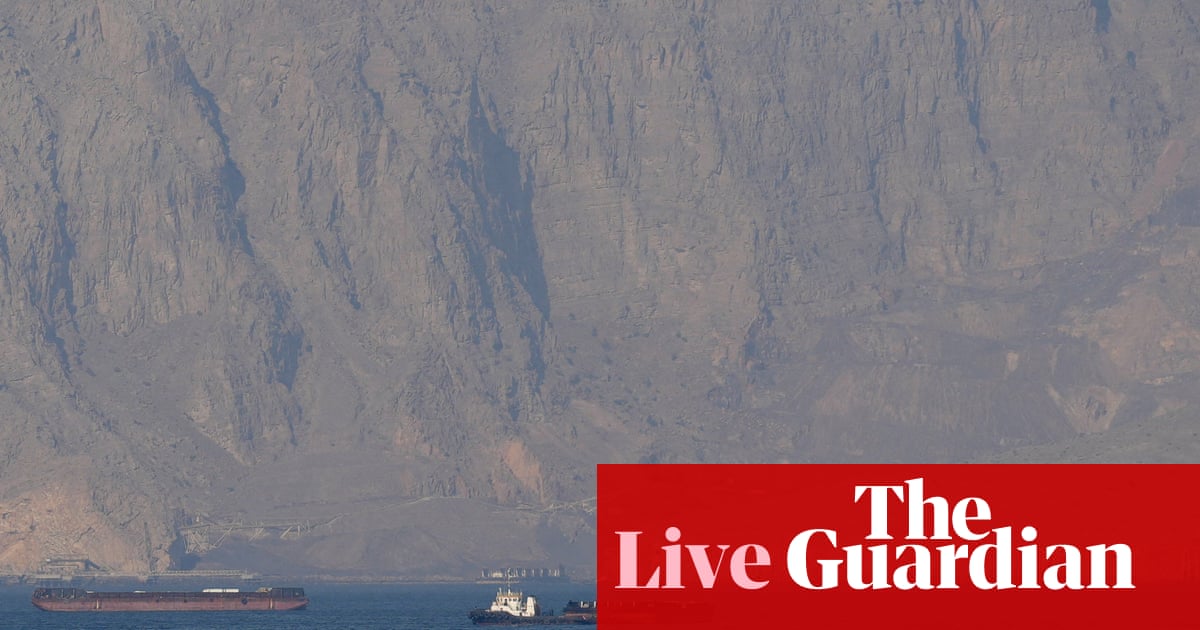
The closure of the Strait of Hormuz has sparked concerns about the potential for **escalating tensions** in the region. The US has been accused of **aggressive
Summary
The closure of the Strait of Hormuz has sparked concerns about the potential for **escalating tensions** in the region. The US has been accused of **aggressive posturing**, while Iran has been criticized for its **nuclear ambitions**. The situation is complex, with multiple parties involved, including the **European Union** and **China**. As the situation continues to unfold, it remains to be seen whether a resolution can be reached, or if the region will be plunged into further **instability**. [[middle-east|Middle East]] experts are warning of a potential **catastrophic conflict** if the situation is not resolved soon.
Key Takeaways
- Iran has closed the Strait of Hormuz in response to US sanctions
- The US has refused to end its blockade of Iran
- The situation in the Middle East is highly unstable and has significant implications for global oil prices and regional stability
- Diplomatic efforts are ongoing to find a peaceful resolution to the crisis
- The international community must work to de-escalate tensions and support diplomatic efforts
Balanced Perspective
The situation in the Middle East is complex and multifaceted, with multiple parties and interests involved. While the closure of the Strait of Hormuz is a significant development, it is not clear what the long-term implications will be. **Economic sanctions** and **diplomatic pressure** may be used to try to bring Iran to the negotiating table, but it is unclear whether these efforts will be successful. The US and Iran have a **long history of tensions**, and it may be difficult to find a resolution that satisfies both sides. [[oil-prices|Oil prices]] are likely to remain volatile in the short term, as the market reacts to the latest developments.
Optimistic View
Despite the current tensions, there is still hope for a resolution to the crisis. **Diplomatic efforts** are ongoing, with the EU and other countries working to facilitate negotiations between Iran and the US. If a deal can be reached, it could potentially **stabilize the region** and prevent further conflict. Additionally, the closure of the Strait of Hormuz may **galvanize international support** for a peaceful resolution, as countries around the world recognize the importance of maintaining **global oil supplies**. [[united-nations|United Nations]] officials are urging calm and restraint, and are working to facilitate a peaceful resolution to the crisis.
Critical View
The current situation in the Middle East is **extremely concerning**, with the potential for **catastrophic conflict**. The closure of the Strait of Hormuz is a **provocative move** by Iran, and the US is likely to respond with **aggressive measures**. The situation is **highly unstable**, with multiple parties involved and a range of competing interests. The **risk of miscalculation** is high, and the consequences of a conflict could be **devastating**. The international community must work to **de-escalate tensions** and find a peaceful resolution to the crisis, but it is unclear whether this will be possible. [[iran-us-relations|Iran-US relations]] are at a **historic low**, and it may be difficult to find a way forward.
Source
Originally reported by The Guardian