Iran Threatens to Close Strait of Hormuz Amid US Blockade
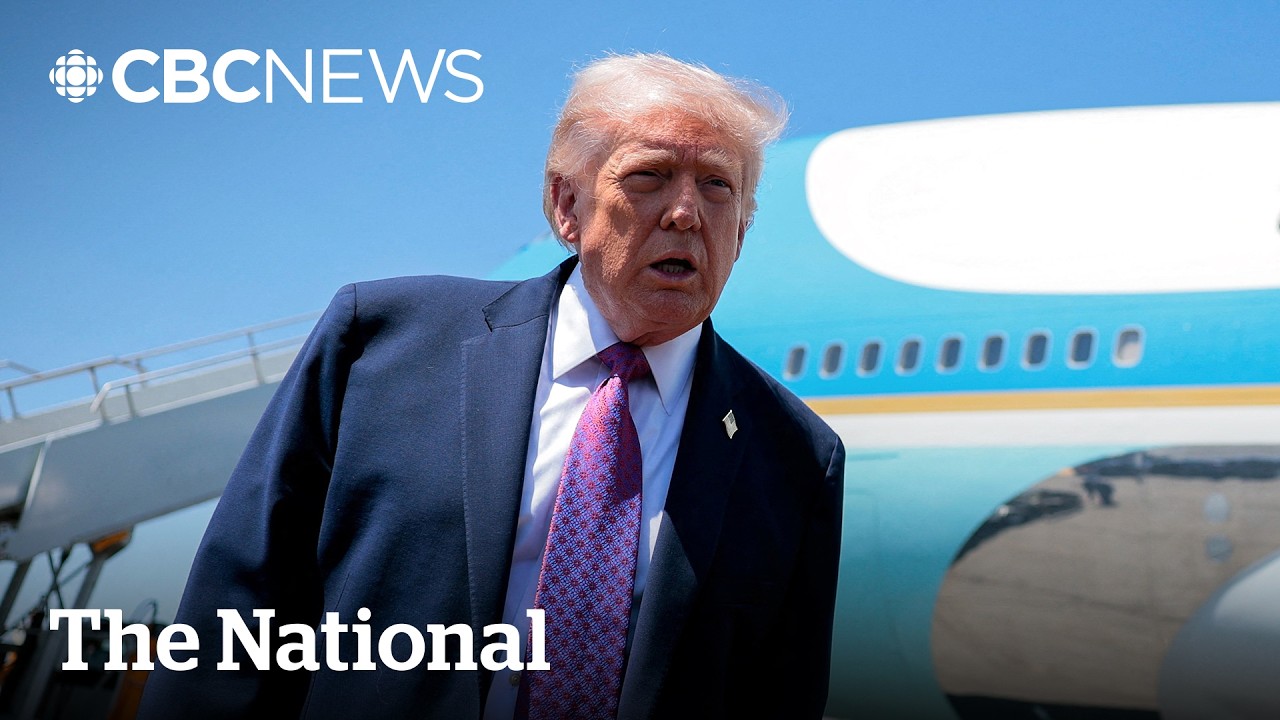
The **US blockade** of Iranian ports has led to a significant decrease in oil prices, with prices falling by nearly 10% after Iran's announcement. However, anal
Summary
The **US blockade** of Iranian ports has led to a significant decrease in oil prices, with prices falling by nearly 10% after Iran's announcement. However, analysts warn that there could be a hit to prices that outlast hostilities. The situation is being closely monitored by **oil-producing countries**, including **Saudi Arabia** and **Russia**. The **US** has imposed sanctions on **Iran** in an attempt to curb its nuclear program, but **Iran** has denied any wrongdoing. The conflict has significant implications for global oil prices and the stability of the region, with **China** warning that the US blockade is 'dangerous and irresponsible'. For more information on the **US-Iran conflict**, see [[us-iran-conflict|US-Iran Conflict]].
Key Takeaways
- The US has imposed a blockade on Iranian ports, leading to a significant decrease in oil prices
- Iran has warned that the Strait of Hormuz will 'not remain open' if the blockade continues
- The conflict has significant implications for global oil prices and the stability of the region
- The US and Iran have a long history of conflict, and it is unclear how the situation will unfold
- The international community should work towards a diplomatic solution to the conflict
Balanced Perspective
The situation is complex, with both the **US** and **Iran** taking a hardline stance. The **US** has imposed a blockade on Iranian ports, which has led to a significant decrease in oil prices. However, **Iran** has warned that it will not remain open to commercial ships if the blockade continues. The conflict has significant implications for global oil prices and the stability of the region. The **US** and **Iran** have a long history of conflict, and it is unclear how the situation will unfold. For more information on the **Middle East conflict**, see [[middle-east-conflict|Middle East Conflict]]. The **US** has imposed sanctions on **Iran** in an attempt to curb its nuclear program, but **Iran** has denied any wrongdoing. The current situation is a result of the **US** withdrawal from the **Iran nuclear deal**, which was signed in 2015.
Optimistic View
The current situation could lead to a diplomatic breakthrough between the **US** and **Iran**, with the **US** lifting its blockade and **Iran** agreeing to limit its nuclear program. This could lead to increased stability in the region and a decrease in oil prices. The **US** and **Iran** have a long history of conflict, but there have been moments of diplomacy, including the **Iran hostage crisis** in 1979. For more information on the **Iran hostage crisis**, see [[iran-hostage-crisis|Iran Hostage Crisis]]. The current situation is an opportunity for the two countries to work together and find a peaceful solution. The **US** has imposed sanctions on **Iran** in an attempt to curb its nuclear program, but **Iran** has denied any wrongdoing. However, the **US** has also offered to lift its sanctions if **Iran** agrees to limit its nuclear program.
Critical View
The current situation could lead to a significant escalation of the conflict between the **US** and **Iran**, with the **US** blockade leading to a complete closure of the **Strait of Hormuz**. This could lead to a significant increase in oil prices and a destabilization of the region. The **US** and **Iran** have a long history of conflict, and it is unclear how the situation will unfold. The **US** has imposed sanctions on **Iran** in an attempt to curb its nuclear program, but **Iran** has denied any wrongdoing. The current situation is a result of the **US** withdrawal from the **Iran nuclear deal**, which was signed in 2015. For more information on the **Iran nuclear deal**, see [[iran-nuclear-deal|Iran Nuclear Deal]]. The situation is being closely monitored by **oil-producing countries**, including **Saudi Arabia** and **Russia**.
Source
Originally reported by BBC