
Contents
- 🏦 Introduction to Banking
- 💰 History of Banking: From Ancient Civilizations to Modern Times
- 📈 The Rise of Commercial Banking
- 🏢 The Role of Central Banks
- 📊 The Evolution of Bank Accounting and Regulation
- 📱 The Digital Revolution in Banking
- 💻 Online Banking and Mobile Payments
- 🔒 Cybersecurity in Banking: Threats and Countermeasures
- 🤝 The Future of Banking: Trends and Predictions
- 📊 The Impact of Fintech on Traditional Banking
- 🌎 Globalization and the Future of Banking
- Frequently Asked Questions
- Related Topics
Overview
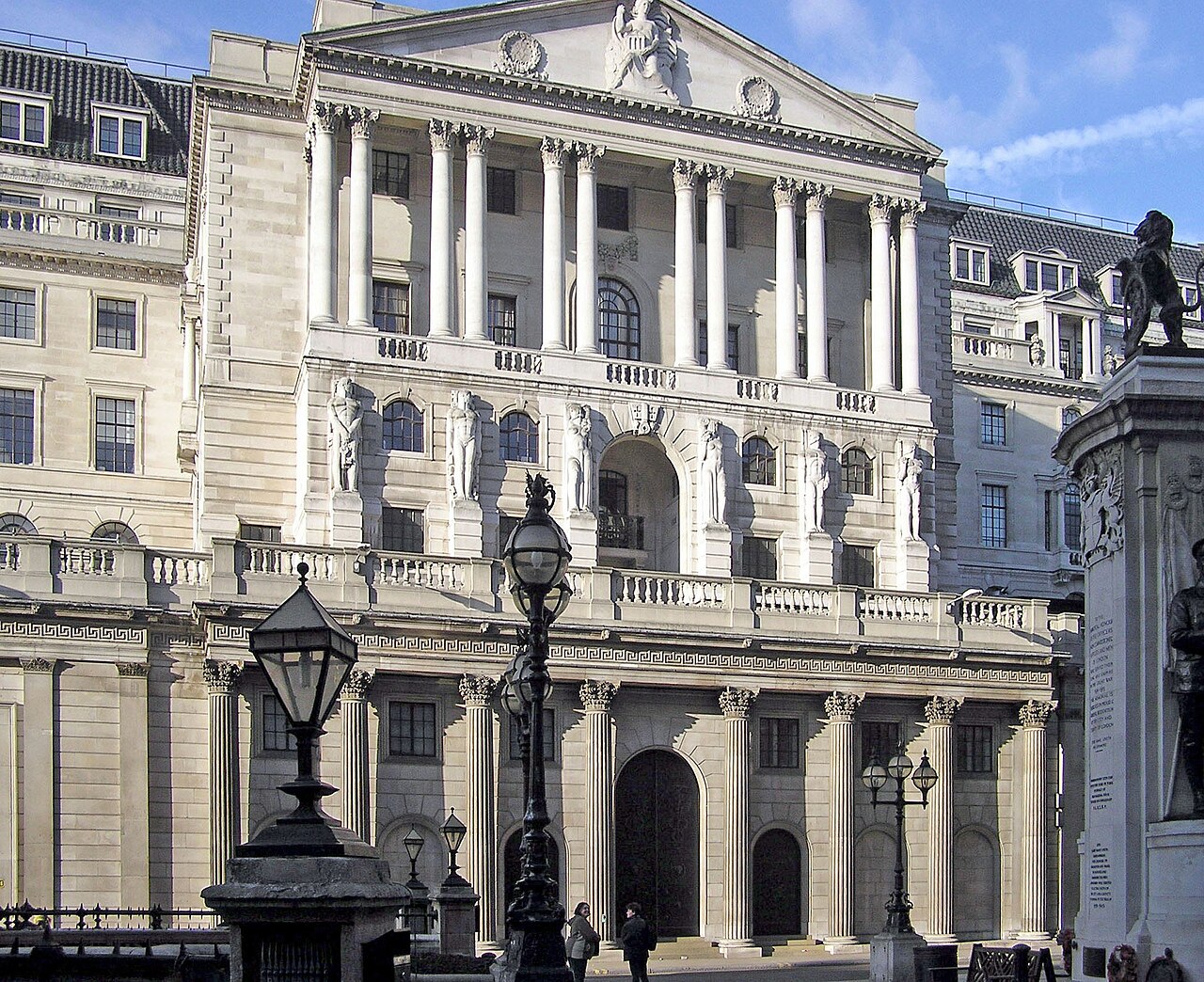
Banks have undergone significant transformations since the establishment of the first modern bank, the Medici Bank, in 1397. The historian's lens reveals a progression from goldsmiths to joint-stock companies, with the Bank of England (1694) and the Federal Reserve (1913) as pivotal institutions. However, the skeptic's perspective questions the concentration of power and wealth, citing the 2008 financial crisis as a prime example. The fan's perspective highlights the cultural resonance of banks in popular media, such as the film 'It's a Wonderful Life' (1946). The engineer's lens examines the technological advancements, including online banking (1990s) and mobile payments (2000s), which have increased accessibility and convenience. As the futurist looks ahead, concerns about cybersecurity, regulatory frameworks, and the rise of decentralized finance (DeFi) pose significant challenges to traditional banking models, with an estimated 75% of banks expected to adopt blockchain technology by 2025, according to a report by Accenture.
🏦 Introduction to Banking
The concept of banking has been around for thousands of years, with evidence of lending and borrowing dating back to ancient civilizations such as the Sumerians and Egyptians. The modern banking system, however, is a relatively recent development, with the establishment of the first commercial banks in the 17th century. Today, banks play a crucial role in the global economy, providing a range of financial services including deposit accounts, loans, and investment services. As the banking industry continues to evolve, it is likely that we will see significant changes in the way banks operate and interact with their customers, with a greater emphasis on digital banking and financial inclusion.
💰 History of Banking: From Ancient Civilizations to Modern Times
The history of banking is a long and complex one, with various forms of banking emerging in different parts of the world over the centuries. In ancient Greece and Rome, for example, temples and palaces served as early forms of banks, providing a safe place for people to store their money and valuables. The modern banking system, however, is often credited to the Medici family in Italy, who established one of the first commercial banks in the 15th century. The development of central banks and regulatory frameworks has also played a crucial role in shaping the modern banking industry, with institutions such as the Federal Reserve and the European Central Bank playing a key role in maintaining financial stability and regulating the banking sector.
📈 The Rise of Commercial Banking
The rise of commercial banking in the 17th and 18th centuries marked a significant turning point in the development of the banking industry. Commercial banks such as the Bank of England and the Banque de France began to offer a range of financial services, including loans and deposit accounts, to merchants and traders. This helped to facilitate trade and commerce, and played a key role in the growth of international trade and the development of the global economy. Today, commercial banks continue to play a vital role in the banking industry, providing essential financial services to individuals and businesses around the world, including credit cards and mortgage loans.
🏢 The Role of Central Banks
Central banks play a crucial role in the banking industry, responsible for maintaining financial stability and regulating the money supply. They do this by setting interest rates and implementing monetary policy, as well as providing liquidity to the banking system in times of need. Central banks such as the Federal Reserve and the European Central Bank also play a key role in regulating the banking sector, ensuring that banks operate in a safe and sound manner and comply with relevant laws and regulations, including Basel Accords and Dodd-Frank Act.
📊 The Evolution of Bank Accounting and Regulation
The evolution of bank accounting and regulation has been shaped by a range of factors, including changes in the banking industry and the development of new financial instruments. The introduction of Generally Accepted Accounting Principles (GAAP) and International Financial Reporting Standards (IFRS) has helped to improve transparency and consistency in financial reporting, while regulations such as the Sarbanes-Oxley Act have helped to strengthen corporate governance and reduce the risk of financial fraud. As the banking industry continues to evolve, it is likely that we will see further changes in bank accounting and regulation, with a greater emphasis on risk management and compliance.
📱 The Digital Revolution in Banking
The digital revolution in banking has transformed the way banks operate and interact with their customers. The introduction of online banking and mobile payments has made it easier for people to manage their finances and access banking services, while the development of digital wallets and cryptocurrencies has opened up new opportunities for financial inclusion and payment systems. As the use of digital technologies continues to grow, it is likely that we will see significant changes in the banking industry, with a greater emphasis on digital transformation and customer experience.
💻 Online Banking and Mobile Payments
The growth of online banking and mobile payments has been driven by advances in technology and changes in consumer behavior. Today, many banks offer a range of online and mobile banking services, including bill payments and fund transfers. The development of mobile banking apps has also made it easier for people to access banking services on the go, while the introduction of biometric authentication has helped to improve security and reduce the risk of identity theft. As the use of online and mobile banking continues to grow, it is likely that we will see further innovations in this area, with a greater emphasis on user experience and security.
🔒 Cybersecurity in Banking: Threats and Countermeasures
The increasing use of digital technologies in banking has also created new cybersecurity risks, with cyber attacks and data breaches becoming a major concern for banks and their customers. To address these risks, banks are investing heavily in cybersecurity measures, including firewalls and encryption. The development of artificial intelligence and machine learning is also being used to improve cybersecurity, with anomaly detection and predictive analytics helping to identify and prevent cyber threats. As the threat landscape continues to evolve, it is likely that we will see further innovations in cybersecurity, with a greater emphasis on threat intelligence and incident response.
🤝 The Future of Banking: Trends and Predictions
The future of banking is likely to be shaped by a range of factors, including changes in technology, consumer behavior, and regulation. The growth of fintech and digital banking is expected to continue, with a greater emphasis on customer experience and financial inclusion. The development of blockchain and distributed ledger technology is also expected to play a key role in shaping the future of banking, with potential applications in areas such as cross-border payments and supply chain finance. As the banking industry continues to evolve, it is likely that we will see significant changes in the way banks operate and interact with their customers, with a greater emphasis on innovation and disruption.
📊 The Impact of Fintech on Traditional Banking
The impact of fintech on traditional banking has been significant, with many fintech companies disrupting traditional banking business models and creating new opportunities for financial inclusion and payment systems. The development of peer-to-peer lending and crowdfunding has also opened up new opportunities for alternative finance, while the growth of digital payments has made it easier for people to make transactions and access financial services. As the use of fintech continues to grow, it is likely that we will see further innovations in this area, with a greater emphasis on partnerships and collaboration between fintech companies and traditional banks.
🌎 Globalization and the Future of Banking
The globalization of banking has created new opportunities for banks to operate across borders and provide financial services to customers around the world. The development of international banking and cross-border payments has made it easier for people to access financial services and make transactions across borders, while the growth of emerging markets has created new opportunities for banks to expand their operations and provide financial services to underserved communities. As the banking industry continues to evolve, it is likely that we will see further changes in the way banks operate and interact with their customers, with a greater emphasis on globalization and financial inclusion.
Key Facts
- Year
- 2023
- Origin
- Italy, 1397 (Medici Bank)
- Category
- Finance
- Type
- Institution
Frequently Asked Questions
What is the history of banking?
The history of banking dates back to ancient civilizations, with evidence of lending and borrowing found in ancient Sumeria and Egypt. The modern banking system, however, is a relatively recent development, with the establishment of the first commercial banks in the 17th century. Today, banks play a crucial role in the global economy, providing a range of financial services including deposit accounts, loans, and investment services.
What is the role of central banks in the banking industry?
Central banks play a crucial role in the banking industry, responsible for maintaining financial stability and regulating the money supply. They do this by setting interest rates and implementing monetary policy, as well as providing liquidity to the banking system in times of need. Central banks such as the Federal Reserve and the European Central Bank also play a key role in regulating the banking sector, ensuring that banks operate in a safe and sound manner and comply with relevant laws and regulations.
What is the impact of fintech on traditional banking?
The impact of fintech on traditional banking has been significant, with many fintech companies disrupting traditional banking business models and creating new opportunities for financial inclusion and payment systems. The development of peer-to-peer lending and crowdfunding has also opened up new opportunities for alternative finance, while the growth of digital payments has made it easier for people to make transactions and access financial services.
What is the future of banking?
The future of banking is likely to be shaped by a range of factors, including changes in technology, consumer behavior, and regulation. The growth of fintech and digital banking is expected to continue, with a greater emphasis on customer experience and financial inclusion. The development of blockchain and distributed ledger technology is also expected to play a key role in shaping the future of banking, with potential applications in areas such as cross-border payments and supply chain finance.
What is the role of cybersecurity in banking?
The increasing use of digital technologies in banking has created new cybersecurity risks, with cyber attacks and data breaches becoming a major concern for banks and their customers. To address these risks, banks are investing heavily in cybersecurity measures, including firewalls and encryption. The development of artificial intelligence and machine learning is also being used to improve cybersecurity, with anomaly detection and predictive analytics helping to identify and prevent cyber threats.