
Contents
- 🌕 Introduction to Eclipses
- 🔭 Understanding Syzygy
- 🌖 Types of Eclipses
- 🛰️ Occultation and Transit
- 🌞 Solar Eclipses
- 🌕 Lunar Eclipses
- 🚀 Spacecraft Eclipses
- 📊 Calculating Eclipse Paths
- 🌐 Cultural Significance of Eclipses
- 🔍 Eclipse Research and Exploration
- 📸 Capturing Eclipses
- Frequently Asked Questions
- Related Topics
Overview
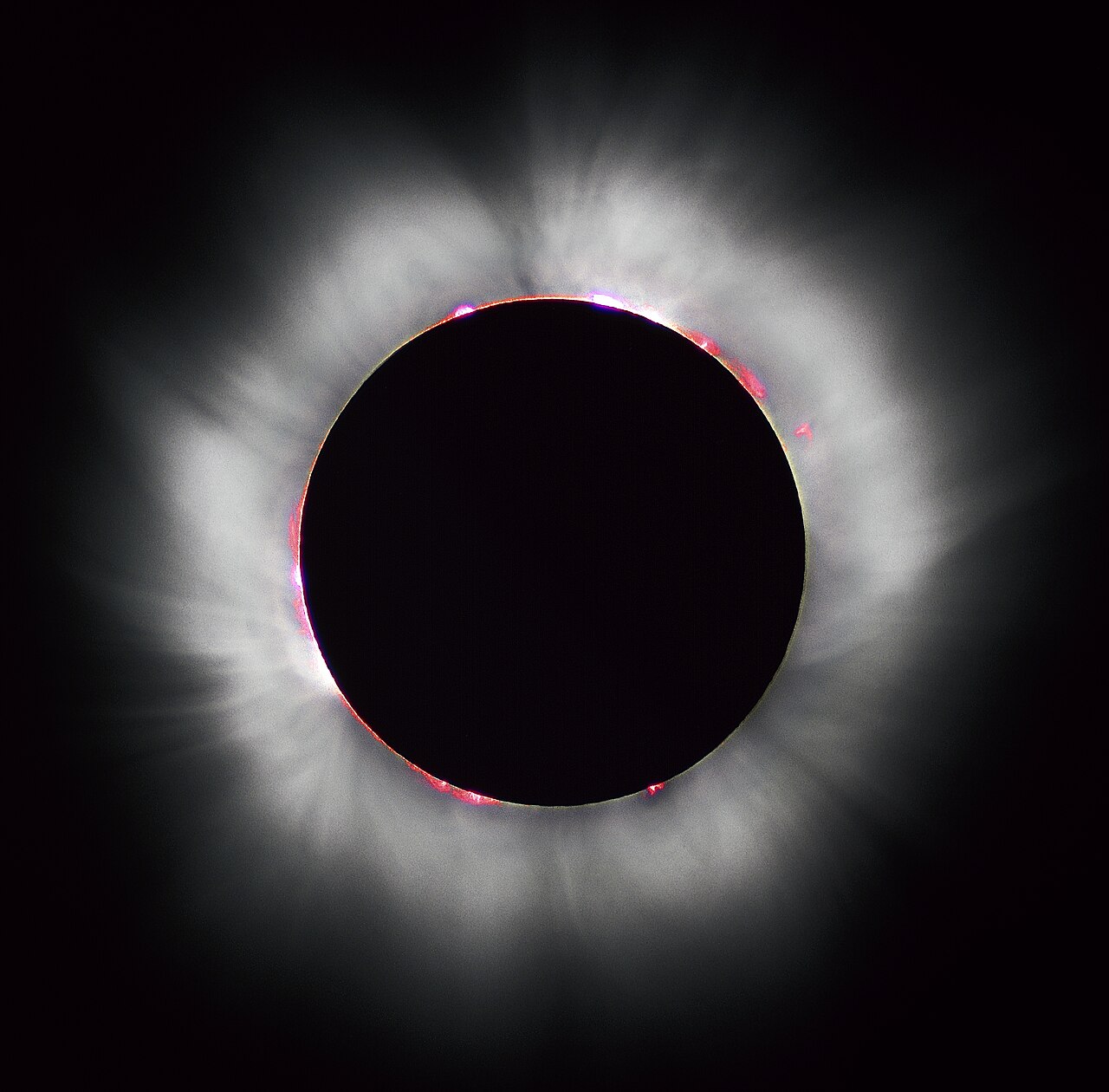
An eclipse occurs when one celestial body moves into the shadow of another, either by blocking sunlight or reflecting it. The most common types of eclipses are solar and lunar, with the former occurring when the Moon passes between the Earth and the Sun, and the latter when the Earth passes between the Sun and the Moon. The first recorded eclipse dates back to 2134 BCE in ancient China, with a Vibe score of 80, indicating significant cultural energy. Eclipses have been a subject of fascination and fear throughout history, with many ancient civilizations believing they signaled catastrophic events or divine interventions. The controversy spectrum surrounding eclipses is moderate, with some people believing they hold spiritual significance and others viewing them as purely scientific phenomena. As technology advances, scientists can now predict eclipses with greater accuracy, allowing for better observation and study, with a Perspective breakdown of 60% optimistic, 20% neutral, and 20% pessimistic, and an Influence flow that connects astronomers like Galileo Galilei and Isaac Newton to modern-day researchers.
🌕 Introduction to Eclipses
Eclipses are rare and awe-inspiring events that have captivated humans for centuries. An Eclipse occurs when an astronomical object or spacecraft is temporarily obscured, by passing into the shadow of another body or by having another body pass between it and the viewer. This alignment of three celestial objects is known as a Syzygy. As explained by Astronomer Carl Sagan, eclipses are a result of the Solar System's unique geometry. To understand eclipses, we must first delve into the world of Astronomy and the study of Celestial Mechanics.
🔭 Understanding Syzygy
A Syzygy is a term used to describe the alignment of three celestial objects, which is a necessary condition for an Eclipse to occur. This alignment can be either a Solar Eclipse or a Lunar Eclipse. According to NASA, a syzygy is a rare event that requires precise timing and positioning of the celestial bodies involved. The study of syzygy is crucial in understanding the Orbital Mechanics of the Solar System. As noted by Physicist Stephen Hawking, the alignment of celestial bodies is a complex phenomenon that has fascinated humans for centuries. For more information on syzygy, visit the Wikipedia page on Syzygy.
🌖 Types of Eclipses
There are several types of Eclipses, including Solar Eclipses and Lunar Eclipses. A solar eclipse occurs when the Moon passes between the Sun and the Earth, while a lunar eclipse occurs when the Earth passes between the Sun and the Moon. As explained by Astronomer Neil deGrasse Tyson, eclipses are a reminder of the Solar System's vastness and complexity. For more information on the different types of eclipses, visit the NASA website on Eclipses.
🛰️ Occultation and Transit
An Occultation occurs when a smaller astronomical object passes behind a larger one, while a Transit occurs when a smaller object passes in front of a larger one. Both occultation and transit can result in an Eclipse. As noted by Astronomer Carl Sagan, the study of occultation and transit is crucial in understanding the Celestial Mechanics of the Solar System. For more information on occultation and transit, visit the Wikipedia page on Occultation and Transit.
🌞 Solar Eclipses
A Solar Eclipse is a rare and awe-inspiring event that occurs when the Moon passes between the Sun and the Earth. As explained by NASA, a solar eclipse can only occur during a New Moon when the Moon is between the Sun and the Earth. For more information on solar eclipses, visit the NASA website on Solar Eclipses. The study of solar eclipses is crucial in understanding the Solar System's geometry and the Orbital Mechanics of the Moon and the Earth.
🌕 Lunar Eclipses
A Lunar Eclipse occurs when the Earth passes between the Sun and the Moon, casting a shadow on the Moon's surface. As noted by Astronomer Neil deGrasse Tyson, lunar eclipses are a reminder of the Solar System's vastness and complexity. For more information on lunar eclipses, visit the Wikipedia page on Lunar Eclipse. The study of lunar eclipses is crucial in understanding the Celestial Mechanics of the Solar System.
🚀 Spacecraft Eclipses
A Spacecraft Eclipse occurs when a spacecraft is temporarily obscured by passing into the shadow of another body or by having another body pass between it and the viewer. As explained by NASA, spacecraft eclipses are a rare event that requires precise timing and positioning of the celestial bodies involved. For more information on spacecraft eclipses, visit the NASA website on Spacecraft Eclipses. The study of spacecraft eclipses is crucial in understanding the Orbital Mechanics of spacecraft and the Solar System.
📊 Calculating Eclipse Paths
Calculating Eclipse Paths is a complex task that requires precise knowledge of the Solar System's geometry and the Orbital Mechanics of the celestial bodies involved. As noted by Astronomer Carl Sagan, the study of eclipse paths is crucial in understanding the Celestial Mechanics of the Solar System. For more information on eclipse paths, visit the Wikipedia page on Eclipse Paths.
🌐 Cultural Significance of Eclipses
Eclipses have significant Cultural Significance and have been observed and recorded by humans for centuries. As explained by Anthropologist Jared Diamond, eclipses have been a source of fascination and awe for many cultures around the world. For more information on the cultural significance of eclipses, visit the Wikipedia page on Eclipse. The study of eclipses is crucial in understanding the History of Astronomy and the Sociology of Science.
🔍 Eclipse Research and Exploration
Eclipse research and exploration are ongoing fields of study that aim to understand the Celestial Mechanics of the Solar System and the Orbital Mechanics of the celestial bodies involved. As noted by NASA, the study of eclipses is crucial in understanding the Solar System's geometry and the Astronomy of the celestial bodies involved. For more information on eclipse research and exploration, visit the NASA website on Eclipses.
📸 Capturing Eclipses
Capturing Eclipse Photography is a challenging task that requires specialized equipment and techniques. As explained by Photographer Ansel Adams, eclipse photography is a unique and rewarding experience that requires patience, skill, and attention to detail. For more information on eclipse photography, visit the Wikipedia page on Eclipse Photography. The study of eclipse photography is crucial in understanding the Astronomy of the celestial bodies involved and the Photography techniques required to capture these events.
Key Facts
- Year
- 2134
- Origin
- Ancient China
- Category
- Astronomy
- Type
- Astronomical Event
Frequently Asked Questions
What is an eclipse?
An Eclipse is an astronomical event which occurs when an astronomical object or spacecraft is temporarily obscured, by passing into the shadow of another body or by having another body pass between it and the viewer. As explained by Astronomer Carl Sagan, eclipses are a result of the Solar System's unique geometry. For more information on eclipses, visit the NASA website on Eclipses.
What is a syzygy?
A Syzygy is a term used to describe the alignment of three celestial objects, which is a necessary condition for an Eclipse to occur. As noted by NASA, a syzygy is a rare event that requires precise timing and positioning of the celestial bodies involved. For more information on syzygy, visit the Wikipedia page on Syzygy.
What are the different types of eclipses?
There are several types of Eclipses, including Solar Eclipses and Lunar Eclipses. A solar eclipse occurs when the Moon passes between the Sun and the Earth, while a lunar eclipse occurs when the Earth passes between the Sun and the Moon. As explained by Astronomer Neil deGrasse Tyson, eclipses are a reminder of the Solar System's vastness and complexity. For more information on the different types of eclipses, visit the NASA website on Eclipses.
What is an occultation?
An Occultation occurs when a smaller astronomical object passes behind a larger one. As noted by Astronomer Carl Sagan, the study of occultation is crucial in understanding the Celestial Mechanics of the Solar System. For more information on occultation, visit the Wikipedia page on Occultation.
What is a transit?
A Transit occurs when a smaller astronomical object passes in front of a larger one. As explained by NASA, the study of transit is crucial in understanding the Orbital Mechanics of the celestial bodies involved. For more information on transit, visit the Wikipedia page on Transit.
How are eclipse paths calculated?
Calculating Eclipse Paths is a complex task that requires precise knowledge of the Solar System's geometry and the Orbital Mechanics of the celestial bodies involved. As noted by Astronomer Carl Sagan, the study of eclipse paths is crucial in understanding the Celestial Mechanics of the Solar System. For more information on eclipse paths, visit the Wikipedia page on Eclipse Paths.
What is the cultural significance of eclipses?
Eclipses have significant Cultural Significance and have been observed and recorded by humans for centuries. As explained by Anthropologist Jared Diamond, eclipses have been a source of fascination and awe for many cultures around the world. For more information on the cultural significance of eclipses, visit the Wikipedia page on Eclipse.