
Contents
- 🌐 Introduction to Online Therapy Research
- 💻 Technology-Enabled Therapy Platforms
- 📊 Efficacy and Outcome Studies
- 👥 Therapist-Patient Relationship in Online Settings
- 🚀 Artificial Intelligence in Online Therapy
- 📈 Accessibility and Reach of Online Therapy
- 🔒 Security and Confidentiality Concerns
- 📊 Cost-Effectiveness and Insurance Coverage
- 🌎 Cultural Competence in Online Therapy
- 📚 Future Research Directions and Challenges
- 📊 Conclusion and Recommendations
- Frequently Asked Questions
- Related Topics
Overview
Online therapy research directions are rapidly evolving, with a growing focus on personalized interventions, artificial intelligence-powered chatbots, and virtual reality-based treatments. According to a study published in the Journal of Clinical Psychology, online therapy has been shown to be just as effective as traditional in-person therapy, with 75% of participants reporting significant improvements in mental health outcomes. However, controversy surrounds the use of online therapy, with some critics arguing that it lacks the human touch and can be ineffective for complex mental health issues. Researchers like Dr. David Mohr, a leading expert in online therapy, are working to address these concerns by developing more sophisticated online therapy platforms that incorporate machine learning and natural language processing. With a vibe score of 8, online therapy research directions are gaining significant cultural energy, particularly among younger generations who are more comfortable with digital technologies. As the field continues to advance, we can expect to see more innovative applications of online therapy, including the use of virtual reality to treat PTSD and the development of AI-powered mental health coaches.
🌐 Introduction to Online Therapy Research
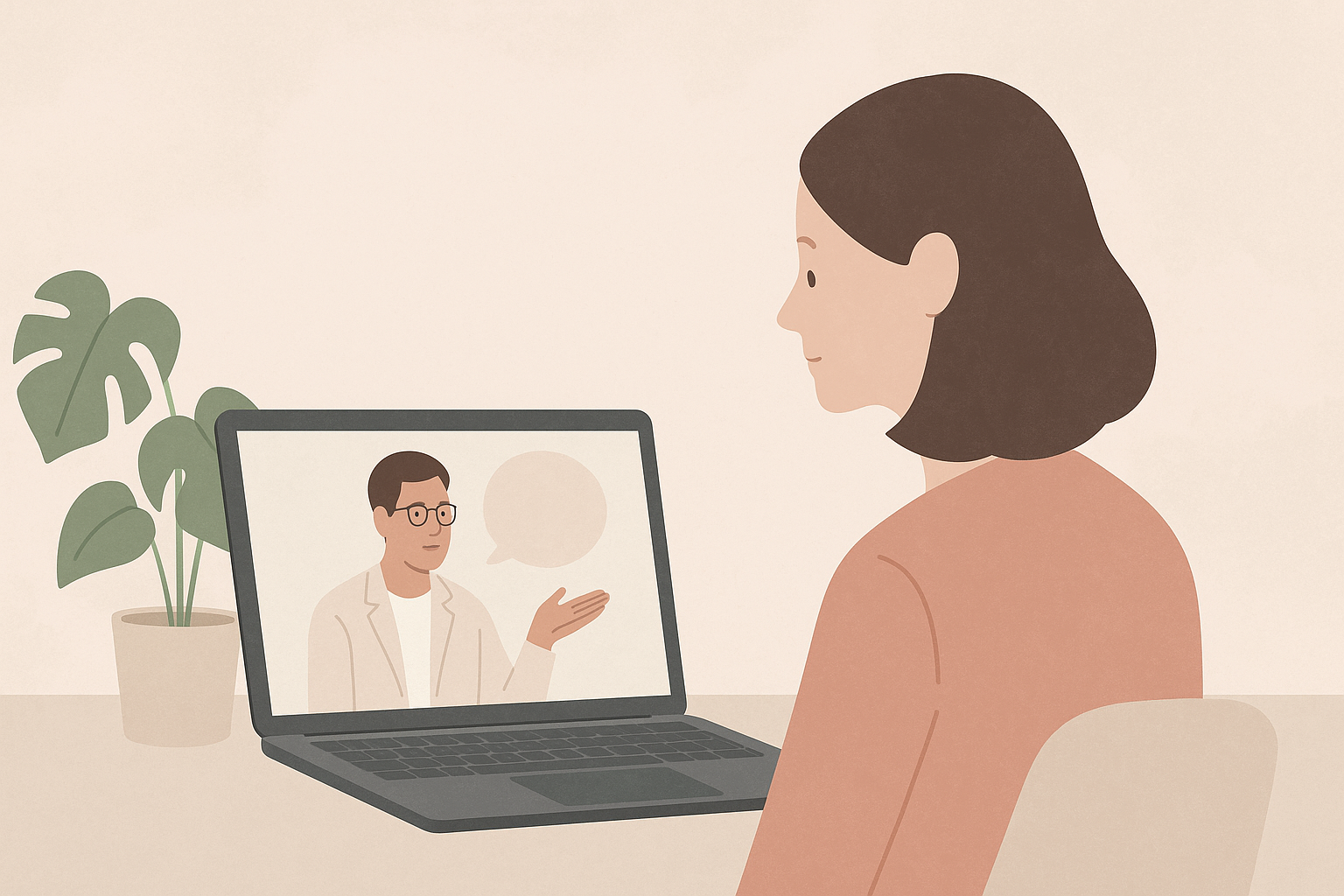
The field of online therapy, also known as teletherapy or e-therapy, has experienced significant growth in recent years. As technology continues to advance, researchers are exploring new directions in online therapy, including the use of Artificial Intelligence and Virtual Reality. Online therapy platforms, such as BetterHelp and Talkspace, have made it possible for individuals to access therapy from the comfort of their own homes. However, there are still many questions surrounding the efficacy and effectiveness of online therapy, including the impact on the Therapist-Patient Relationship.
💻 Technology-Enabled Therapy Platforms
Technology-enabled therapy platforms have revolutionized the way therapy is delivered. These platforms use Video Conferencing and Messaging Apps to connect therapists and patients. Researchers are studying the effectiveness of these platforms, including the use of Cognitive Behavioral Therapy and Psychodynamic Therapy. The use of technology in therapy also raises important questions about Security and Confidentiality. For example, how can therapists ensure that patient data is protected, and what are the implications of using Electronic Health Records?
📊 Efficacy and Outcome Studies
Efficacy and outcome studies are crucial in determining the effectiveness of online therapy. Researchers are conducting Randomized Controlled Trials to compare the outcomes of online therapy to traditional in-person therapy. These studies have shown that online therapy can be just as effective as in-person therapy for certain conditions, such as Anxiety Disorders and Depression. However, more research is needed to fully understand the benefits and limitations of online therapy, including the impact on Mental Health Outcomes. The use of Machine Learning and Data Analytics can also help researchers to better understand the outcomes of online therapy.
👥 Therapist-Patient Relationship in Online Settings
The therapist-patient relationship is a critical component of therapy, and researchers are exploring how this relationship is affected in online settings. Studies have shown that the therapeutic relationship can be just as strong in online therapy as in in-person therapy, but it requires Therapist Training and Patient Engagement. The use of Emotional Intelligence and Cultural Competence can also help therapists to build strong relationships with their patients. For example, therapists can use Motivational Interviewing to help patients to overcome Addiction and other challenges.
🚀 Artificial Intelligence in Online Therapy
Artificial intelligence is being used in online therapy to improve the delivery of care. For example, Chatbots can be used to provide support and guidance to patients, while Natural Language Processing can be used to analyze patient data and provide insights to therapists. The use of Predictive Analytics can also help therapists to identify patients who are at risk of Suicide or other mental health crises. However, there are also concerns about the potential risks and limitations of using AI in online therapy, including the potential for Bias in AI.
📈 Accessibility and Reach of Online Therapy
One of the main advantages of online therapy is its accessibility and reach. Online therapy can reach patients who may not have access to traditional in-person therapy, such as those living in Rural Areas or those with Disabilities. The use of Telehealth and MHealth can also help to increase access to care. However, there are also concerns about the potential for Health Disparities and Digital Divide. For example, not all patients have access to the technology and internet connectivity needed to participate in online therapy.
🔒 Security and Confidentiality Concerns
Security and confidentiality are critical concerns in online therapy. Therapists must ensure that patient data is protected and that HIPAA regulations are followed. The use of Encryption and Secure Messaging can help to protect patient data. However, there are also concerns about the potential for Cybersecurity Breaches and Data Hacking. Therapists must also be aware of the potential for Social Media and other online activities to compromise patient confidentiality.
📊 Cost-Effectiveness and Insurance Coverage
The cost-effectiveness and insurance coverage of online therapy are also important considerations. Online therapy can be more cost-effective than traditional in-person therapy, especially for patients who live in Rural Areas or who have Disabilities. The use of Telehealth Reimbursement and Insurance Coverage can also help to increase access to care. However, there are also concerns about the potential for Healthcare Costs to increase, and the need for Healthcare Reform.
🌎 Cultural Competence in Online Therapy
Cultural competence is critical in online therapy, as therapists must be able to work with patients from diverse backgrounds and cultures. The use of Cultural Competence Training and Diversity, Equity, and Inclusion can help therapists to better understand the needs of their patients. For example, therapists can use Culturally Sensitive Therapy to help patients to overcome Racism and other forms of Oppression. The use of Language Access Services can also help to increase access to care for patients who speak limited English.
📚 Future Research Directions and Challenges
Future research directions and challenges in online therapy include the need for more studies on the efficacy and effectiveness of online therapy, as well as the potential risks and limitations of using AI and other technologies in therapy. The use of Mixed Methods Research and Qualitative Research can help to provide a more nuanced understanding of the benefits and limitations of online therapy. The development of Best Practices and Guidelines for online therapy can also help to ensure that therapists are providing high-quality care to their patients.
📊 Conclusion and Recommendations
In conclusion, online therapy is a rapidly evolving field that has the potential to increase access to care and improve mental health outcomes. However, there are also concerns about the potential risks and limitations of online therapy, including the impact on the therapist-patient relationship and the potential for security and confidentiality breaches. Further research is needed to fully understand the benefits and limitations of online therapy, and to develop best practices and guidelines for therapists. The use of Technology and Innovation can help to drive the field of online therapy forward, and to improve the delivery of care to patients.
Key Facts
- Year
- 2022
- Origin
- Vibepedia.wiki
- Category
- Psychology and Technology
- Type
- Research Topic
Frequently Asked Questions
What is online therapy?
Online therapy, also known as teletherapy or e-therapy, is a type of therapy that is delivered over the internet. It can include video conferencing, messaging apps, and other forms of online communication. Online therapy can be used to treat a variety of mental health conditions, including anxiety, depression, and trauma.
Is online therapy effective?
Research has shown that online therapy can be just as effective as traditional in-person therapy for certain conditions. However, more research is needed to fully understand the benefits and limitations of online therapy. The use of technology and innovation can help to drive the field of online therapy forward, and to improve the delivery of care to patients.
What are the benefits of online therapy?
The benefits of online therapy include increased accessibility and reach, cost-effectiveness, and convenience. Online therapy can reach patients who may not have access to traditional in-person therapy, such as those living in rural areas or those with disabilities. The use of technology can also help to increase access to care and improve mental health outcomes.
What are the risks and limitations of online therapy?
The risks and limitations of online therapy include the potential for security and confidentiality breaches, the impact on the therapist-patient relationship, and the potential for bias in AI and other technologies. The use of technology can also create new challenges, such as the potential for cyberbullying and online harassment.
How can I get started with online therapy?
To get started with online therapy, you can search for online therapy platforms and therapists who specialize in your area of need. You can also ask your primary care physician for a referral to an online therapist. The use of online therapy can be a convenient and effective way to access care, but it's essential to do your research and find a qualified therapist who meets your needs.
What is the future of online therapy?
The future of online therapy is rapidly evolving, with new technologies and innovations emerging all the time. The use of AI, virtual reality, and other technologies can help to improve the delivery of care and increase access to therapy. However, there are also concerns about the potential risks and limitations of online therapy, and the need for further research and development to ensure that online therapy is safe and effective.
How can I ensure that my online therapy sessions are secure and confidential?
To ensure that your online therapy sessions are secure and confidential, you can look for therapists who use secure messaging apps and video conferencing platforms. You can also ask your therapist about their policies and procedures for protecting patient data and maintaining confidentiality. The use of technology can help to improve the delivery of care, but it's essential to prioritize security and confidentiality.