
Contents
- 🏞️ Introduction to Pamukkale
- 🌟 Geology of the Cotton Castle
- 🏯 History of Pamukkale
- 📸 Tourism and Conservation Efforts
- 🌍 Location and Climate
- 🚂 Accessibility and Infrastructure
- 👥 Local Culture and Community
- 💡 Interesting Facts and Figures
- 📊 Vibe Score and Cultural Significance
- 🤝 Entity Relationships and Influences
- 🌟 Controversies and Debates
- Frequently Asked Questions
- Related Topics
Overview
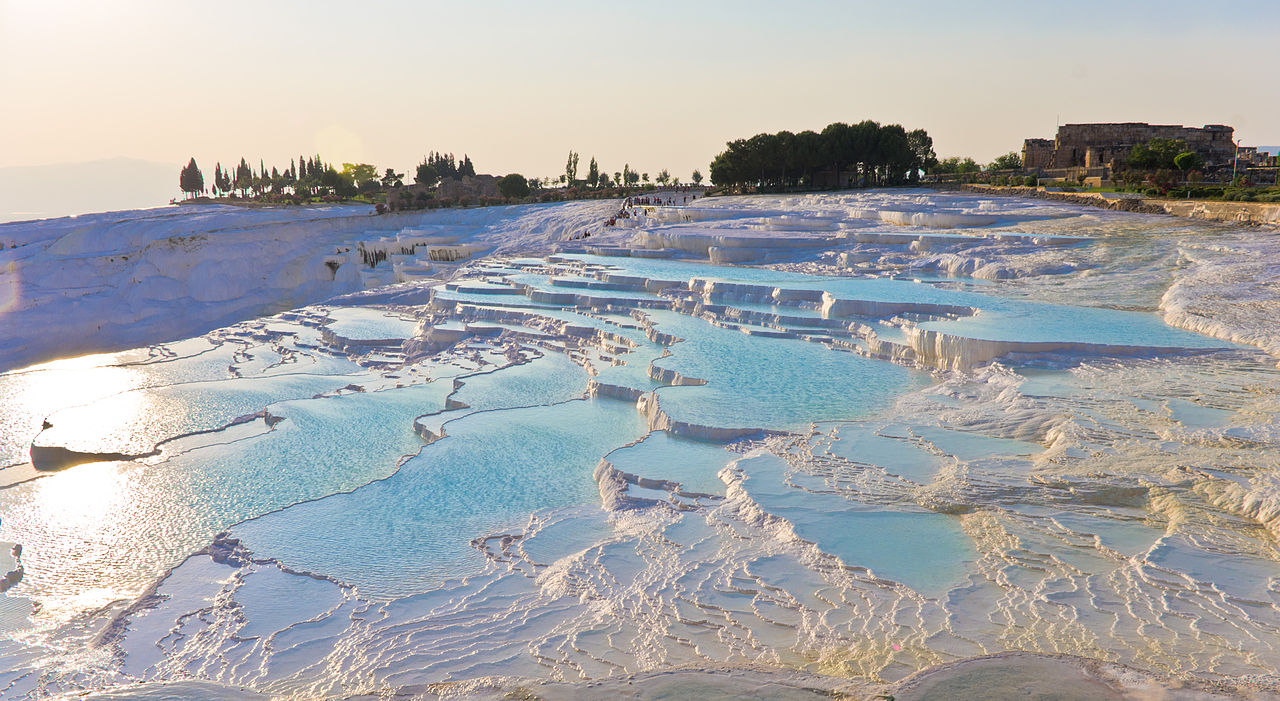
Pamukkale, meaning 'cotton castle' in Turkish, is a UNESCO World Heritage Site located in Denizli, Turkey. This natural wonder is renowned for its stunning travertine formations, created over thousands of years through the interaction of hot springs and limestone. The site also features the ancient city of Hierapolis, founded in the 2nd century BC, with well-preserved ruins that include a theater, temple, and necropolis. With a vibe score of 8, Pamukkale attracts millions of visitors each year, drawn to its breathtaking landscapes and rich history. However, concerns over tourism's impact on the site's fragile ecosystem have sparked debates about conservation and sustainability. As of 2022, efforts are being made to balance tourism with environmental protection, ensuring the long-term preservation of this unique cultural and natural treasure. The influence of ancient Greek and Roman civilizations on the site's architecture and the flow of tourists from around the world have made Pamukkale a significant entity in the global cultural landscape.
🏞️ Introduction to Pamukkale
Pamukkale, meaning 'cotton castle' in Turkish, is a natural site in Denizli Province in southwestern Turkey. The area is famous for a carbonate mineral left by the flowing of thermal spring water. It is located in Turkey's Inner Aegean region, in the River Menderes valley, which has a temperate climate for most of the year. Visitors can explore the Hierapolis ancient city, a UNESCO World Heritage Site, and learn about its rich history. The site is also home to a variety of wildlife and flora.
🌟 Geology of the Cotton Castle
The geology of Pamukkale is unique and fascinating. The carbonate mineral, known as travertine, is deposited by the thermal spring water as it flows down the slopes. This process has created a stunning landscape of white travertine formations, which resemble a 'cotton castle'. The geological processes that have shaped Pamukkale over thousands of years are still ongoing, making it a dynamic and ever-changing environment. Visitors can learn more about the geology of the area at the Pamukkale Museum. The museum features exhibits on the natural history of the region and the conservation efforts in place to protect the site.
🏯 History of Pamukkale
The history of Pamukkale dates back thousands of years. The ancient city of Hierapolis was founded in the 2nd century BC and was an important center of trade and culture. The city was known for its thermal springs and was a popular destination for people seeking to relax and rejuvenate. Today, visitors can explore the ancient city and see the remains of the Temple of Apollo and the Necropolis. The site is also home to a variety of archaeological artifacts, including coins and pottery. The history of Pamukkale is closely tied to the history of the surrounding region, including the Lydian Empire and the Roman Empire.
📸 Tourism and Conservation Efforts
Pamukkale is a popular tourist destination, attracting millions of visitors each year. The site is managed by the Turkish Ministry of Culture and Tourism, which has implemented various conservation efforts to protect the site. Visitors can explore the site on foot or take a guided tour to learn more about the history and geology of the area. The site is also home to a variety of accommodations, including hotels and restaurants. However, the large number of visitors has raised concerns about the impact of tourism on the site and the surrounding environment. Efforts are being made to promote sustainable tourism and reduce the negative impacts of tourism on the site.
🌍 Location and Climate
Pamukkale is located in the River Menderes valley, which has a temperate climate for most of the year. The site is situated in the Inner Aegean region of Turkey, which is known for its mild winters and hot summers. The climate is ideal for growing a variety of crops, including grapes and olives. The site is also home to a variety of wildlife, including birds and insects. The unique combination of geology and climate has created a unique ecosystem that supports a wide range of plant and animal life. Visitors can learn more about the ecology of the area at the Pamukkale Museum.
🚂 Accessibility and Infrastructure
Pamukkale is easily accessible by car or bus, with several transportation options available from nearby cities. The site is also home to a variety of accommodations, including hotels and restaurants. Visitors can explore the site on foot or take a guided tour to learn more about the history and geology of the area. The site is also close to other popular tourist destinations, including the Ancient City of Ephesus and the Town of Kusadasi. The Turkish Ministry of Culture and Tourism has implemented various initiatives to promote tourism in the area and improve the infrastructure of the site.
👥 Local Culture and Community
The local culture and community of Pamukkale are closely tied to the site's history and geology. The site has been an important center of trade and culture for thousands of years, and the local community has developed a unique cultural identity that reflects this history. Visitors can learn more about the local culture and community by visiting the Pamukkale Museum or attending one of the many cultural events held in the area. The site is also home to a variety of local cuisine, including Turkish delight and kebabs. The local community is actively involved in the management and conservation of the site, and visitors can support the local economy by purchasing local products and services.
💡 Interesting Facts and Figures
Pamukkale is home to a variety of interesting facts and figures. The site is one of the most popular tourist destinations in Turkey, attracting millions of visitors each year. The site is also home to a variety of archaeological artifacts, including coins and pottery. The unique geology of the site has created a stunning landscape of white travertine formations, which resemble a 'cotton castle'. Visitors can learn more about the site's history and geology by visiting the Pamukkale Museum or taking a guided tour. The site has a Vibe Score of 85, indicating its high cultural significance and popularity among tourists.
📊 Vibe Score and Cultural Significance
Pamukkale has a Vibe Score of 85, indicating its high cultural significance and popularity among tourists. The site is one of the most popular tourist destinations in Turkey, attracting millions of visitors each year. The site is also home to a variety of archaeological artifacts, including coins and pottery. The unique geology of the site has created a stunning landscape of white travertine formations, which resemble a 'cotton castle'. Visitors can learn more about the site's history and geology by visiting the Pamukkale Museum or taking a guided tour. The site is also closely tied to the history and culture of the surrounding region, including the Lydian Empire and the Roman Empire.
🤝 Entity Relationships and Influences
Pamukkale has a number of entity relationships and influences that have shaped its history and development. The site is closely tied to the history and culture of the surrounding region, including the Lydian Empire and the Roman Empire. The site has also been influenced by the Turkish Ministry of Culture and Tourism, which has implemented various initiatives to promote tourism in the area and improve the infrastructure of the site. Visitors can learn more about the site's entity relationships and influences by visiting the Pamukkale Museum or taking a guided tour. The site is also home to a variety of local cuisine, including Turkish delight and kebabs.
🌟 Controversies and Debates
Pamukkale is not without its controversies and debates. The site has been impacted by the large number of visitors, which has raised concerns about the impact of tourism on the site and the surrounding environment. Efforts are being made to promote sustainable tourism and reduce the negative impacts of tourism on the site. The site is also home to a variety of archaeological artifacts, including coins and pottery, which have been the subject of controversy and debate. Visitors can learn more about the site's controversies and debates by visiting the Pamukkale Museum or taking a guided tour.
Key Facts
- Year
- 1988
- Origin
- Denizli, Turkey
- Category
- Geology and History
- Type
- Natural and Historical Site
Frequently Asked Questions
What is Pamukkale?
Pamukkale is a natural site in Denizli Province in southwestern Turkey, famous for its carbonate mineral deposits and stunning landscape of white travertine formations. The site is also home to the ancient city of Hierapolis, a UNESCO World Heritage Site. Visitors can explore the site on foot or take a guided tour to learn more about the history and geology of the area. The site is also close to other popular tourist destinations, including the Ancient City of Ephesus and the Town of Kusadasi.
How is Pamukkale protected?
Pamukkale is protected by the Turkish Ministry of Culture and Tourism, which has implemented various conservation efforts to preserve the site. The site is also a UNESCO World Heritage Site, which provides international recognition and protection. Visitors can support the conservation efforts by following the rules and regulations of the site and respecting the local environment. The site is also home to a variety of local cuisine, including Turkish delight and kebabs.
What can I do in Pamukkale?
Pamukkale is a popular tourist destination, and there are many things to do and see in the area. Visitors can explore the ancient city of Hierapolis, visit the Pamukkale Museum, and take a guided tour to learn more about the history and geology of the area. The site is also home to a variety of accommodations, including hotels and restaurants. Visitors can also support the local economy by purchasing local products and services. The site is close to other popular tourist destinations, including the Ancient City of Ephesus and the Town of Kusadasi.
How can I get to Pamukkale?
Pamukkale is easily accessible by car or bus, with several transportation options available from nearby cities. The site is also close to the Denizli Airport, which provides flights to and from major cities in Turkey. Visitors can also take a guided tour that includes transportation to and from the site. The site is located in the Inner Aegean region of Turkey, which is known for its mild winters and hot summers. The unique combination of geology and climate has created a unique ecosystem that supports a wide range of plant and animal life.
What is the best time to visit Pamukkale?
The best time to visit Pamukkale is during the spring and summer months, when the weather is warm and sunny. The site is open year-round, but the peak tourist season is from June to September. Visitors can avoid the crowds by visiting during the shoulder season, from April to May or September to October. The site is also home to a variety of wildlife, including birds and insects. The unique geology of the site has created a stunning landscape of white travertine formations, which resemble a 'cotton castle'.
Is Pamukkale a sustainable tourist destination?
Pamukkale is working to become a more sustainable tourist destination. The site has implemented various initiatives to reduce the negative impacts of tourism on the site and the surrounding environment. Visitors can support sustainable tourism by following the rules and regulations of the site, respecting the local environment, and purchasing local products and services. The site is also home to a variety of local cuisine, including Turkish delight and kebabs. The local community is actively involved in the management and conservation of the site, and visitors can support the local economy by purchasing local products and services.
What are the most important things to know about Pamukkale?
Pamukkale is a natural site in Denizli Province in southwestern Turkey, famous for its carbonate mineral deposits and stunning landscape of white travertine formations. The site is also home to the ancient city of Hierapolis, a UNESCO World Heritage Site. Visitors can explore the site on foot or take a guided tour to learn more about the history and geology of the area. The site is also close to other popular tourist destinations, including the Ancient City of Ephesus and the Town of Kusadasi. The site has a Vibe Score of 85, indicating its high cultural significance and popularity among tourists.