
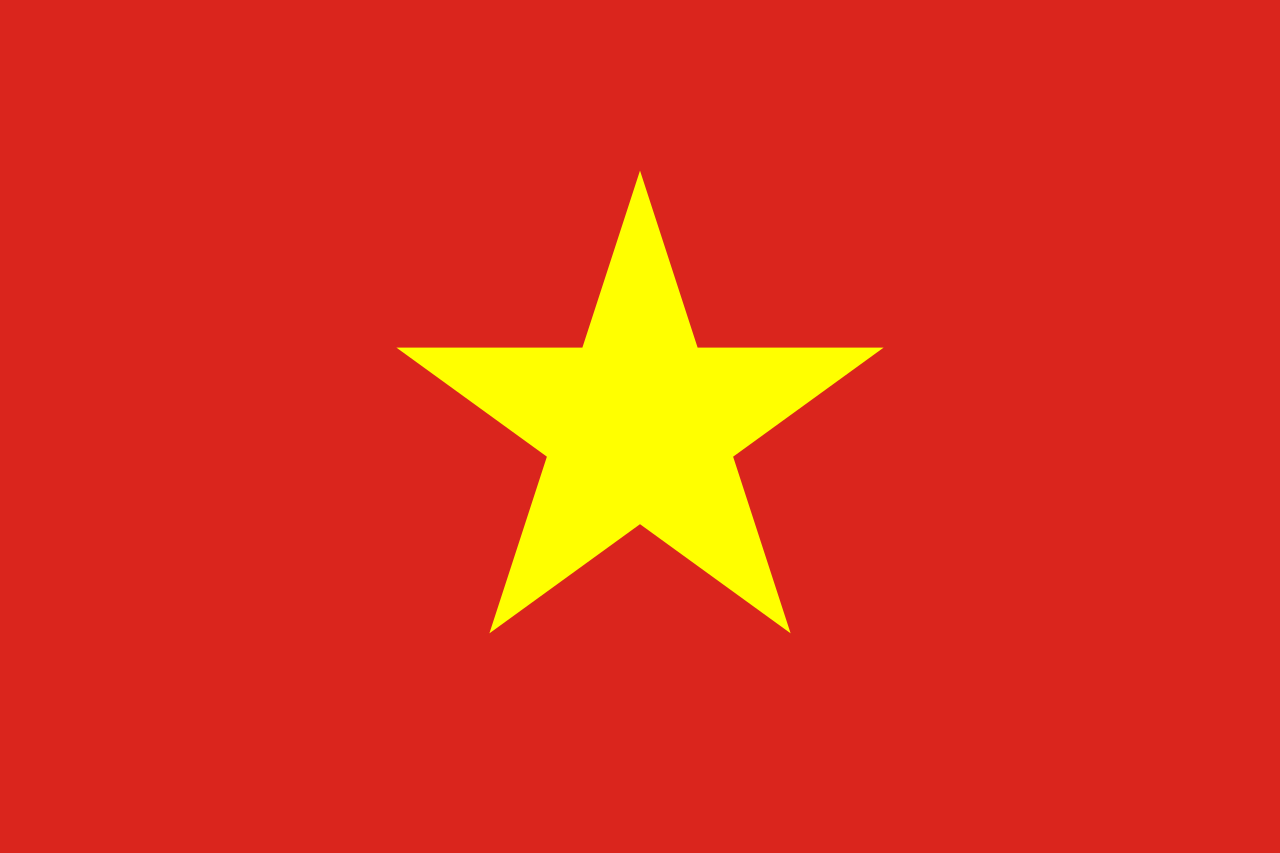
Contents
- 🏯 Introduction to Vietnam
- 🌏 Geography and Climate
- 🏞️ Natural Beauty and Tourism
- 🎨 Culture and Heritage
- 🕊️ History of Vietnam
- 📚 Vietnamese Literature and Arts
- 🍴 Cuisine and Beverages
- 🏙️ Cities and Urbanization
- 🚂 Transportation and Infrastructure
- 📊 Economy and Trade
- 🤝 International Relations and Diplomacy
- 👥 People and Society
- Frequently Asked Questions
- Related Topics
Overview
Vietnam, with a Vibe score of 82, is a country that has been shaped by its complex history, from the ancient Chinese dynasties to the French colonial era and the devastating Vietnam War. Today, Vietnam is a thriving nation, with a growing economy and a rich cultural heritage. The country is home to stunning natural beauty, including Ha Long Bay, a UNESCO World Heritage Site, and the bustling cities of Hanoi and Ho Chi Minh. With a population of over 98 million people, Vietnam is a country that seamlessly blends traditional and modern elements, from the vibrant streets of Hanoi's Old Quarter to the cutting-edge tech hubs of Da Nang. As the country continues to grow and develop, it is likely to become an increasingly important player on the global stage, with influence flows extending to neighboring countries and beyond. With a controversy spectrum rating of 60, Vietnam's history and politics remain a topic of debate, but its future looks bright, with a projected GDP growth rate of 7% in 2024.
🏯 Introduction to Vietnam
Vietnam, officially the Socialist Republic of Viet Nam (SRV), is a country at the eastern edge of Mainland Southeast Asia, with a rich history and culture that spans over 4,000 years. The country has a diverse geography, with mountains, forests, and coastal plains, making it a popular destination for tourists and travelers. Visitors can explore the ancient city of Hoi An, with its well-preserved architecture and vibrant local markets, or visit the stunning natural beauty of Ha Long Bay, a UNESCO World Heritage Site. With a population of over 102 million, Vietnam is the world's 16th-most populous country, and its capital, Hanoi, is a bustling metropolis with a mix of traditional and modern culture. The country's largest city, Ho Chi Minh City, is a hub for business and commerce, and is known for its vibrant nightlife and entertainment scene.
🌏 Geography and Climate
Vietnam's geography is characterized by its diverse landscapes, including mountains, forests, and coastal plains. The country is bordered by China to the north, and Laos and Cambodia to the west, and lies along the Gulf of Thailand to the southwest and the South China Sea to the east. The country's geography has played a significant role in shaping its history and culture, with many of its cities and towns developed along the coast or in the mountains. Visitors can explore the scenic beauty of Sapa, with its stunning mountain vistas and traditional hill tribes, or visit the ancient city of Hue, with its rich history and cultural heritage. The country's geography has also made it a popular destination for outdoor activities, such as hiking and trekking, and water sports, such as kayaking and snorkeling.
🏞️ Natural Beauty and Tourism
Vietnam is home to some of the most beautiful and diverse natural landscapes in the world, making it a popular destination for tourists and travelers. The country's natural beauty includes stunning beaches, such as Nha Trang and Da Nang, as well as scenic mountains and forests, such as Ba Na Hills and Cat Ba National Park. Visitors can also explore the country's many national parks and nature reserves, such as Cuc Phuong National Park and Bach Ma National Park, which are home to a wide range of flora and fauna. With its rich natural beauty and diverse landscapes, Vietnam is a must-visit destination for anyone interested in nature and the outdoors.
🎨 Culture and Heritage
Vietnamese culture is a unique blend of traditional and modern influences, with a rich heritage of music, dance, and art. The country has a long history of cultural exchange and influence, with many of its traditions and customs shaped by its proximity to China and other Southeast Asian countries. Visitors can experience the country's vibrant culture by attending a traditional water puppet show, or by visiting one of its many museums and cultural centers, such as the Vietnam Museum of Ethnology or the Ho Chi Minh Museum. The country's culture is also reflected in its many festivals and celebrations, such as the Tet Holiday and the Mid-Autumn Festival.
🕊️ History of Vietnam
Vietnam has a long and complex history, with many different periods and dynasties shaping the country's development. The country was ruled by the Chinese for over 1,000 years, and later by the French, who introduced many of their own customs and traditions. The country's history is reflected in its many historical sites and landmarks, such as the Imperial City of Hue and the Cu Chi Tunnels. Visitors can also learn about the country's history by visiting one of its many museums, such as the War Remnants Museum or the Museum of History. The country's history has also had a significant impact on its culture and society, with many of its traditions and customs shaped by its experiences under colonial rule.
📚 Vietnamese Literature and Arts
Vietnamese literature and arts have a long and rich history, with many famous writers and artists contributing to the country's cultural heritage. The country's literature is known for its poetry and short stories, with many famous authors, such as Nguyen Du and Vu Truong Phong, making significant contributions to the country's literary scene. The country's arts are also known for their traditional music and dance, with many different styles and genres, such as Ca Tru and Quan Ho. Visitors can experience the country's vibrant arts scene by attending a traditional music or dance performance, or by visiting one of its many art galleries and museums, such as the Vietnam Fine Arts Museum.
🍴 Cuisine and Beverages
Vietnamese cuisine is known for its fresh ingredients, bold flavors, and variety of dishes, with many popular dishes, such as Pho and Banh Mi, being enjoyed around the world. The country's cuisine is also known for its many different regional specialties, such as Bun Cha and Goi Cuon, which reflect the country's diverse geography and cultural heritage. Visitors can experience the country's vibrant food scene by trying some of its many street foods, or by visiting one of its many restaurants and cafes, such as Highway4 or La Bodega. The country's cuisine is also known for its many different beverages, such as Vietnamese Coffee and Fresh Coconut Water.
🏙️ Cities and Urbanization
Vietnam's cities are a mix of traditional and modern architecture, with many different styles and influences reflecting the country's complex history and cultural heritage. The country's largest city, Ho Chi Minh City, is a bustling metropolis with a vibrant nightlife and entertainment scene, while its capital, Hanoi, is a more laid-back city with a rich cultural heritage. Visitors can explore the country's many different cities and towns, such as Da Nang and Hoi An, each with its own unique character and charm. The country's cities are also known for their many different markets and shopping centers, such as Ben Thanh Market and Vincom Center.
🚂 Transportation and Infrastructure
Vietnam has a well-developed transportation system, with many different options for getting around the country, including buses, taxis, and trains. The country's transportation system is also known for its many different scenic routes and roads, such as the Hai Van Pass and the Ho Chi Minh Trail, which offer stunning views and landscapes. Visitors can also rent a motorbike or car to explore the country, or take a domestic flight to one of its many different airports, such as Noi Bai International Airport or Tan Son Nhat International Airport. The country's transportation system is also known for its many different ports and harbors, such as Haiphong and Ho Chi Minh City.
📊 Economy and Trade
Vietnam has a rapidly growing economy, with many different industries and sectors contributing to the country's development. The country's economy is known for its many different exports, such as textiles and electronics, and its many different imports, such as machinery and equipment. Visitors can learn about the country's economy by visiting one of its many different business and trade centers, such as the Vietnam Chamber of Commerce and Industry or the Ho Chi Minh City Stock Exchange. The country's economy is also known for its many different trade agreements and partnerships, such as the ASEAN and the Trans-Pacific Partnership.
🤝 International Relations and Diplomacy
Vietnam has a complex and multifaceted system of international relations, with many different countries and organizations playing a significant role in the country's development. The country is a member of many different international organizations, such as the United Nations and the Association of Southeast Asian Nations, and has many different diplomatic relationships with countries around the world. Visitors can learn about the country's international relations by visiting one of its many different embassies and consulates, such as the United States Embassy in Vietnam or the Australian Embassy in Vietnam. The country's international relations are also known for their many different challenges and opportunities, such as the South China Sea Dispute and the Trans-Pacific Partnership.
👥 People and Society
Vietnamese society is known for its many different customs and traditions, with a strong emphasis on family and community. The country's society is also known for its many different festivals and celebrations, such as the Tet Holiday and the Mid-Autumn Festival. Visitors can experience the country's vibrant society by attending one of its many different cultural events, or by visiting one of its many different museums and cultural centers, such as the Vietnam Museum of Ethnology or the Ho Chi Minh Museum. The country's society is also known for its many different challenges and opportunities, such as the Poverty in Vietnam and the Education in Vietnam.
Key Facts
- Year
- 2023
- Origin
- Southeast Asia
- Category
- History, Culture, Travel
- Type
- Country
Frequently Asked Questions
What is the capital of Vietnam?
The capital of Vietnam is Hanoi, a city with a rich cultural heritage and a mix of traditional and modern architecture. Hanoi is known for its many different historical sites and landmarks, such as the Ho Chi Minh Mausoleum and the Temple of Literature. The city is also home to many different museums and cultural centers, such as the Vietnam Museum of Ethnology and the Hanoi Museum.
What is the largest city in Vietnam?
The largest city in Vietnam is Ho Chi Minh City, a bustling metropolis with a vibrant nightlife and entertainment scene. The city is known for its many different historical sites and landmarks, such as the Cu Chi Tunnels and the War Remnants Museum. The city is also home to many different markets and shopping centers, such as Ben Thanh Market and Vincom Center.
What is the most popular tourist destination in Vietnam?
The most popular tourist destination in Vietnam is Ha Long Bay, a stunning natural beauty with over 1,600 limestone islands and islets. The bay is known for its many different scenic views and landscapes, and is a popular destination for boat tours and cruises. Visitors can also explore the many different caves and grottos, such as the Sung Sot Cave and the Titop Island.
What is the best time to visit Vietnam?
The best time to visit Vietnam is from September to November or from March to May, when the weather is cool and dry. The country has a tropical climate, with two main seasons: the dry season and the wet season. The dry season, which runs from September to November and from March to May, is the best time to visit the country, as the weather is cool and dry. The wet season, which runs from June to August and from December to February, is the best time to visit the country's many different beaches and coastal areas.
What is the most popular dish in Vietnam?
The most popular dish in Vietnam is Pho, a traditional Vietnamese noodle soup made with beef or chicken broth, rice noodles, and various toppings such as beef, chicken, or vegetables. The dish is known for its rich and flavorful broth, and is a popular breakfast food in Vietnam. Visitors can try Pho at many different restaurants and street food stalls throughout the country, such as Pho 24 and Pho 2000.
What is the main religion in Vietnam?
The main religion in Vietnam is Buddhism, with over 80% of the population practicing some form of Buddhism. The country is also home to many different other religions, such as Catholicism and Protestantism. Visitors can explore the many different temples and pagodas throughout the country, such as the One Pillar Pagoda and the Perfume Pagoda.
What is the currency in Vietnam?
The currency in Vietnam is the Vietnamese Dong, which is the official currency of the country. Visitors can exchange their money at many different banks and currency exchange offices throughout the country, such as the State Bank of Vietnam and the Vietcombank. The country also accepts many different credit cards, such as Visa and Mastercard.