
Contents
- 🌎 Introduction to Environmental Concerns
- 🌴 Deforestation and Coffee Production
- 💧 Water Pollution in Coffee Farming
- 🐝 Biodiversity Loss and Coffee Cultivation
- 🚮 Waste Management in the Coffee Industry
- 🌻 Sustainable Coffee Farming Practices
- 📊 The Economic Impact of Environmental Concerns
- 👥 Community Involvement in Environmental Conservation
- 🌟 Certification and Labeling of Sustainable Coffee
- 📈 The Future of Sustainable Coffee Production
- 🚨 Addressing the Environmental Concerns in Coffee Production
- 🌿 Conclusion and Call to Action
- Frequently Asked Questions
- Related Topics
Overview
The environmental concerns surrounding coffee production are a pressing issue, with deforestation, water pollution, and climate change being major contributors. According to the International Coffee Organization, coffee production is responsible for around 2.5 million hectares of deforestation annually. Furthermore, the processing of coffee cherries requires massive amounts of water, with some estimates suggesting that a single cup of coffee can require up to 140 liters of water. The use of pesticides and fertilizers in coffee farming also poses a significant threat to local ecosystems. As consumers become increasingly aware of these issues, there is a growing demand for sustainable and environmentally-friendly coffee production methods. Companies like Starbucks and Nescafe are already taking steps to reduce their environmental impact, but more needs to be done to address the scale of the problem. With the global coffee market projected to reach $85.8 billion by 2025, the environmental concerns surrounding coffee production are an issue that cannot be ignored.
🌎 Introduction to Environmental Concerns
Environmental concerns in coffee production have become a significant issue in recent years. The coffee industry is one of the largest consumers of water and energy, and its production processes can have severe impacts on the environment. Coffee beans are grown in over 70 countries, and the industry supports the livelihoods of millions of people. However, the production of coffee can lead to deforestation, water pollution, and biodiversity loss. It is essential to address these environmental concerns to ensure the long-term sustainability of the coffee industry. Sustainable coffee farming practices can help reduce the environmental impact of coffee production.
🌴 Deforestation and Coffee Production
Deforestation is a significant environmental concern in coffee production. The clearance of forests to make way for coffee plantations can lead to the loss of biodiversity and the release of stored carbon into the atmosphere. Coffee farming practices such as shade-grown coffee can help reduce the need for deforestation. Additionally, certification programs such as the Rainforest Alliance can promote sustainable coffee farming practices. Coffee production can also lead to soil erosion and water pollution if not managed properly.
💧 Water Pollution in Coffee Farming
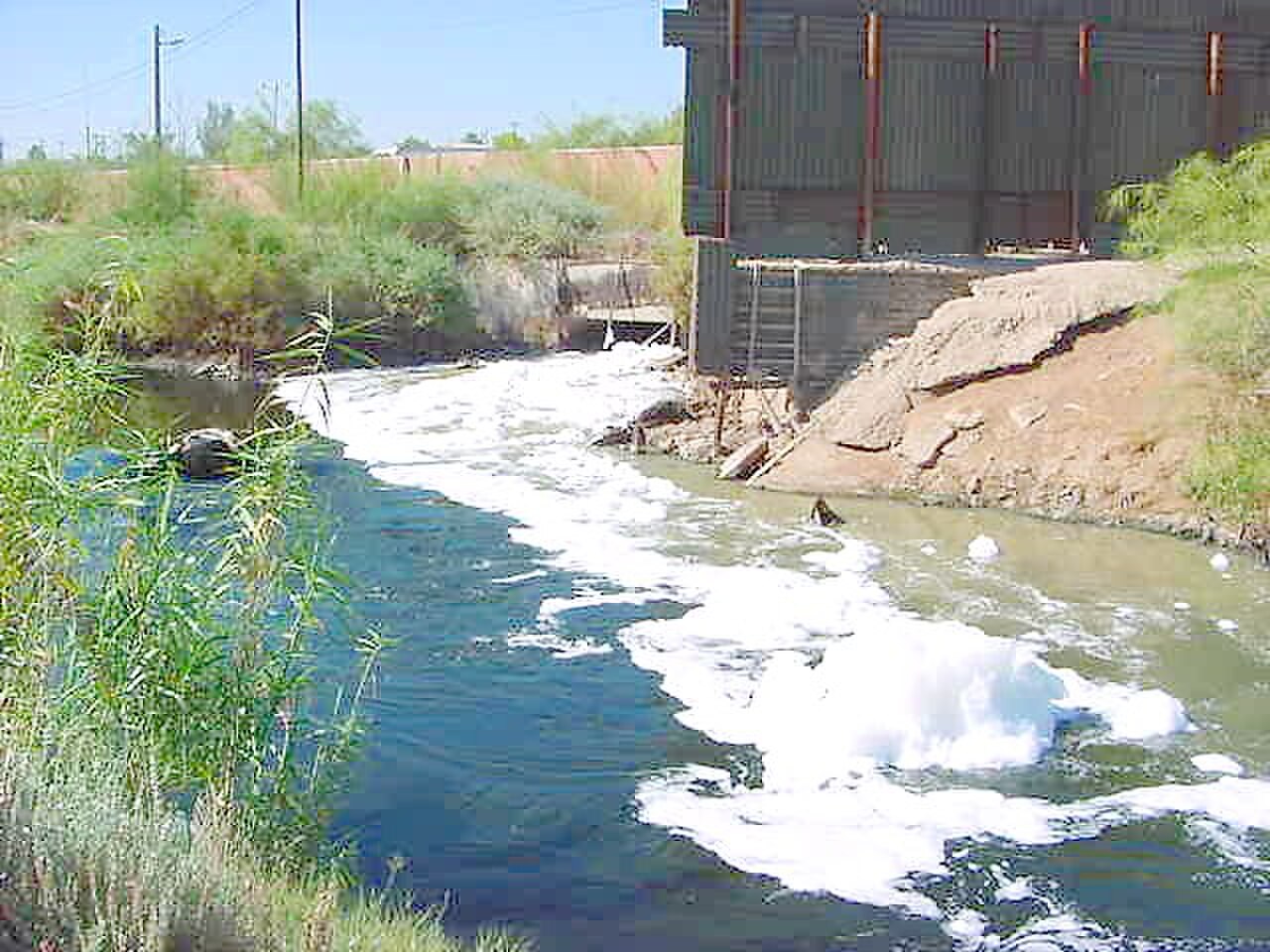
Water pollution is another significant environmental concern in coffee production. The processing of coffee cherries can generate large amounts of wastewater, which can contaminate rivers and streams if not treated properly. Coffee processing plants can implement wastewater treatment systems to reduce the environmental impact of coffee production. Furthermore, coffee farmers can use irrigation systems that reduce water waste and promote water conservation. Sustainable agriculture practices can also help reduce the environmental impact of coffee production.
🐝 Biodiversity Loss and Coffee Cultivation
Biodiversity loss is a significant environmental concern in coffee production. The clearance of forests to make way for coffee plantations can lead to the loss of endangered species and the disruption of ecosystems. Coffee ecosystems can be managed to promote biodiversity conservation. For example, shade-grown coffee plantations can provide habitat for a variety of plant and animal species. Additionally, organic coffee farming practices can reduce the use of chemical pesticides and promote ecosystem services.
🚮 Waste Management in the Coffee Industry
Waste management is a significant environmental concern in coffee production. The production of coffee can generate large amounts of waste, including coffee grounds and coffee cherry pulp. Coffee companies can implement waste reduction and waste recycling programs to reduce the environmental impact of coffee production. Furthermore, coffee farmers can use composting to turn coffee waste into organic fertilizer. Sustainable coffee farming practices can also help reduce the environmental impact of coffee production.
🌻 Sustainable Coffee Farming Practices
Sustainable coffee farming practices can help reduce the environmental impact of coffee production. Sustainable agriculture practices such as organic farming and permaculture can promote ecosystem services and reduce the use of chemical pesticides. Additionally, shade-grown coffee plantations can provide habitat for a variety of plant and animal species. Coffee certification programs such as the Fair Trade certification can promote sustainable coffee farming practices. Coffee production can also be managed to reduce greenhouse gas emissions and promote carbon sequestration.
📊 The Economic Impact of Environmental Concerns
The economic impact of environmental concerns in coffee production can be significant. The cost of implementing sustainable coffee farming practices can be high, and coffee farmers may need to invest in new equipment and training. However, the benefits of sustainable coffee farming practices can be significant, including improved coffee quality and increased market access. Coffee companies can also benefit from sustainable coffee farming practices, including improved brand reputation and increased customer loyalty. Sustainable agriculture practices can also promote rural development and reduce poverty.
👥 Community Involvement in Environmental Conservation
Community involvement is essential for addressing environmental concerns in coffee production. Coffee farmers and coffee companies can work together to implement sustainable coffee farming practices. Additionally, local communities can be involved in conservation efforts and education programs to promote environmental awareness. Coffee cooperatives can also play a significant role in promoting sustainable coffee farming practices and providing technical assistance to coffee farmers. Sustainable coffee farming practices can also promote social justice and reduce inequality.
🌟 Certification and Labeling of Sustainable Coffee
Certification and labeling of sustainable coffee can help promote sustainable coffee farming practices. Coffee certification programs such as the Rainforest Alliance and the Fair Trade certification can promote sustainable coffee farming practices. Additionally, eco-labels such as the Bird Friendly certification can promote biodiversity conservation. Coffee companies can also use sustainability reporting to promote transparency and accountability in their supply chains. Sustainable agriculture practices can also be promoted through policy reform and regulatory frameworks.
📈 The Future of Sustainable Coffee Production
The future of sustainable coffee production looks promising. Sustainable coffee farming practices are becoming increasingly popular, and coffee companies are investing in sustainability initiatives. Additionally, technology is being used to promote sustainable agriculture practices, including precision agriculture and drones. Coffee farmers can also use climate-smart agriculture practices to reduce the impacts of climate change. Sustainable coffee farming practices can also promote food security and reduce poverty.
🚨 Addressing the Environmental Concerns in Coffee Production
Addressing environmental concerns in coffee production requires a multi-faceted approach. Coffee farmers and coffee companies can work together to implement sustainable coffee farming practices. Additionally, local communities can be involved in conservation efforts and education programs to promote environmental awareness. Policy reform and regulatory frameworks can also be used to promote sustainable agriculture practices. Sustainable coffee farming practices can also promote social justice and reduce inequality.
🌿 Conclusion and Call to Action
In conclusion, environmental concerns in coffee production are a significant issue that requires immediate attention. Sustainable coffee farming practices can help reduce the environmental impact of coffee production, and coffee companies can promote sustainability initiatives in their supply chains. Additionally, local communities can be involved in conservation efforts and education programs to promote environmental awareness. It is essential to address environmental concerns in coffee production to ensure the long-term sustainability of the coffee industry.
Key Facts
- Year
- 2022
- Origin
- International Coffee Organization
- Category
- Coffee Culture
- Type
- Topic
Frequently Asked Questions
What are the environmental concerns in coffee production?
The environmental concerns in coffee production include deforestation, water pollution, biodiversity loss, and waste management. These issues can have significant impacts on the environment and the sustainability of the coffee industry. Sustainable coffee farming practices can help reduce the environmental impact of coffee production.
How can coffee farmers reduce their environmental impact?
Coffee farmers can reduce their environmental impact by implementing sustainable coffee farming practices such as shade-grown coffee, organic farming, and permaculture. Additionally, coffee farmers can use composting to turn coffee waste into organic fertilizer. Coffee certification programs can also promote sustainable coffee farming practices.
What is the economic impact of environmental concerns in coffee production?
The economic impact of environmental concerns in coffee production can be significant. The cost of implementing sustainable coffee farming practices can be high, and coffee farmers may need to invest in new equipment and training. However, the benefits of sustainable coffee farming practices can be significant, including improved coffee quality and increased market access.
How can coffee companies promote sustainability in their supply chains?
Coffee companies can promote sustainability in their supply chains by implementing sustainability initiatives such as sustainable coffee sourcing, Fair Trade certification, and Rainforest Alliance certification. Additionally, coffee companies can use sustainability reporting to promote transparency and accountability in their supply chains.
What is the future of sustainable coffee production?
The future of sustainable coffee production looks promising. Sustainable coffee farming practices are becoming increasingly popular, and coffee companies are investing in sustainability initiatives. Additionally, technology is being used to promote sustainable agriculture practices, including precision agriculture and drones.
How can local communities be involved in environmental conservation efforts?
Local communities can be involved in environmental conservation efforts by participating in conservation efforts and education programs to promote environmental awareness. Additionally, local communities can be involved in sustainable coffee farming practices such as shade-grown coffee and organic farming.
What is the role of policy reform in promoting sustainable coffee production?
Policy reform can play a significant role in promoting sustainable coffee production. Policy reform can be used to promote sustainable agriculture practices, reduce deforestation, and promote biodiversity conservation. Additionally, policy reform can be used to promote Fair Trade practices and reduce inequality in the coffee industry.