
Contents
- 📊 Introduction to Telemetry
- 🔍 History of Telemetry
- 📈 Types of Telemetry
- 📊 Applications of Telemetry
- 🚀 Space Exploration and Telemetry
- 🏥 Medical Telemetry
- 🚗 Vehicle Telemetry
- 📱 Mobile Telemetry
- 🔒 Security Concerns in Telemetry
- 📊 Future of Telemetry
- 🤖 Artificial Intelligence in Telemetry
- Frequently Asked Questions
- Related Topics
Overview
Telemetry, with a vibe score of 8, has been a cornerstone of remote monitoring since its inception in the 19th century. The term, coined by French engineer Jacques-Eugène Armengaud in 1901, refers to the automatic measurement and transmission of data from remote sources. Today, telemetry is used in various fields, including healthcare, aerospace, and industrial automation, with companies like Philips Healthcare and GE Aviation leveraging its capabilities. However, concerns over data privacy and security have sparked intense debates, with some arguing that the benefits of telemetry outweigh the risks, while others claim that it poses significant threats to individual autonomy. As the technology continues to evolve, with the rise of IoT and AI-powered analytics, the future of telemetry is poised to be shaped by innovators like NASA's Jet Propulsion Laboratory and researchers at MIT. With an estimated 34.6 billion connected devices by 2025, the influence of telemetry on modern society will only continue to grow, sparking crucial discussions about the balance between convenience, efficiency, and personal freedom.
📊 Introduction to Telemetry
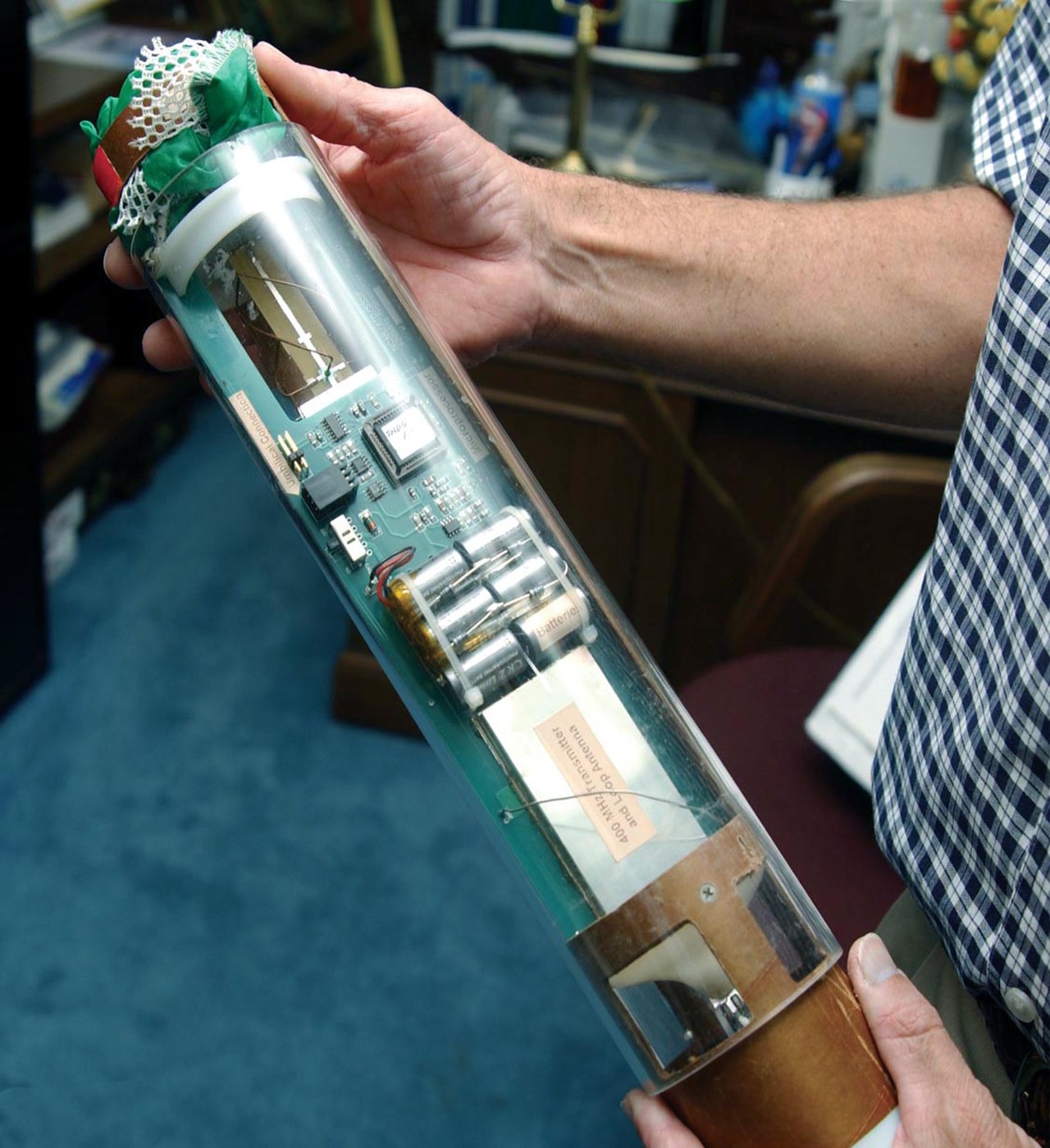
Telemetry is the in situ collection of measurements or other data at remote points and their automatic transmission to receiving equipment (telecommunication) for monitoring. The word is derived from the Greek roots tele, 'far off', and metron, 'measure'. As explained in Telecommunication, systems that need external instructions and data to operate require the counterpart of telemetry: Telecommand. Telemetry has become an essential tool in various fields, including Space Exploration, Medicine, and Transportation. For instance, NASA uses telemetry to monitor the performance of its spacecraft and Vehicles in real-time.
🔍 History of Telemetry
The history of telemetry dates back to the 19th century when Samuel Morse developed the first telegraph system. This system allowed for the transmission of messages over long distances, laying the foundation for modern telemetry. As discussed in History of Technology, the development of telemetry was further accelerated by the invention of the Radio and the Internet. Today, telemetry is used in a wide range of applications, from Weather Forecasting to Industrial Automation. Companies like IBM and Microsoft are also investing in Internet of Things (IoT) technologies that rely heavily on telemetry.
📈 Types of Telemetry
There are several types of telemetry, including Wireless Telemetry, Wired Telemetry, and Hybrid Telemetry. Each type has its own advantages and disadvantages, and the choice of which one to use depends on the specific application. For example, Medical Devices often use wireless telemetry to transmit data from patients to healthcare providers. In contrast, Industrial Equipment may use wired telemetry for more reliable and secure data transmission. As explained in Telecommunication Networks, the type of telemetry used can significantly impact the performance and efficiency of the system.
📊 Applications of Telemetry
Telemetry has a wide range of applications, from Space Exploration to Medical Research. In Space Exploration, telemetry is used to monitor the performance of spacecraft and Satellites. In Medical Research, telemetry is used to collect data on patients and Clinical Trials. Telemetry is also used in Finance to monitor Stock Markets and Portfolio Management. Companies like Google and Amazon are also using telemetry to improve their Customer Service and Supply Chain Management.
🚀 Space Exploration and Telemetry
Space exploration and telemetry go hand-in-hand. NASA uses telemetry to monitor the performance of its spacecraft and Vehicles in real-time. Telemetry is also used to collect data on the Environment and Climate of other planets. For example, the Curiosity Rover uses telemetry to transmit data back to Earth about the Geology and Atmosphere of Mars. As discussed in Space Agencies, the use of telemetry in space exploration has significantly improved our understanding of the universe and has enabled us to conduct more complex and ambitious missions.
🏥 Medical Telemetry
Medical telemetry is used to collect data on patients and Clinical Trials. This data is used to improve Patient Care and Medical Research. Medical telemetry is also used to monitor Vital Signs and Medical Conditions in real-time. For example, Cardiac Telemetry is used to monitor the Heart Rate and Blood Pressure of patients with Heart Disease. As explained in Medical Devices, the use of telemetry in medicine has significantly improved patient outcomes and has enabled healthcare providers to provide more personalized and effective care.
🚗 Vehicle Telemetry
Vehicle telemetry is used to collect data on the performance of Vehicles. This data is used to improve Vehicle Safety and Fuel Efficiency. Vehicle telemetry is also used to monitor Vehicle Health and Maintenance in real-time. For example, GPS is used to track the location and Speed of vehicles. As discussed in Automotive Industry, the use of telemetry in vehicles has significantly improved safety and has enabled the development of more efficient and environmentally friendly vehicles.
📱 Mobile Telemetry
Mobile telemetry is used to collect data on the performance of Mobile Devices. This data is used to improve Mobile Networks and Mobile Apps. Mobile telemetry is also used to monitor Mobile Usage and Mobile Security in real-time. For example, Mobile Operating Systems use telemetry to collect data on App Usage and Device Performance. As explained in Mobile Technology, the use of telemetry in mobile devices has significantly improved the user experience and has enabled the development of more efficient and secure mobile networks.
🔒 Security Concerns in Telemetry
Security concerns are a major issue in telemetry. Cybersecurity threats can compromise the integrity of telemetry data and Data Privacy is a major concern. To address these concerns, Encryption and Authentication are used to secure telemetry data. As discussed in Security Measures, the use of telemetry in sensitive applications requires careful consideration of security risks and the implementation of robust security protocols.
📊 Future of Telemetry
The future of telemetry is exciting and rapidly evolving. Artificial Intelligence and Machine Learning are being used to improve the accuracy and efficiency of telemetry data. Internet of Things (IoT) technologies are also being used to enable more widespread use of telemetry. For example, Smart Cities are using telemetry to monitor and manage Infrastructure and Public Services. As explained in Future of Technology, the use of telemetry in the future will be shaped by advances in AI, IoT, and other emerging technologies.
🤖 Artificial Intelligence in Telemetry
Artificial intelligence is being used to improve the accuracy and efficiency of telemetry data. Machine Learning Algorithms are being used to analyze telemetry data and identify patterns and trends. Predictive Maintenance is also being used to predict when Equipment is likely to fail and to schedule Maintenance accordingly. As discussed in AI Applications, the use of AI in telemetry has significant potential to improve efficiency, reduce costs, and enhance decision-making.
Key Facts
- Year
- 1901
- Origin
- France
- Category
- Technology
- Type
- Concept
Frequently Asked Questions
What is telemetry?
Telemetry is the in situ collection of measurements or other data at remote points and their automatic transmission to receiving equipment (telecommunication) for monitoring. It is used in a wide range of applications, from Space Exploration to Medical Research. Telemetry has become an essential tool in various fields, including Medicine, Transportation, and Finance.
What are the types of telemetry?
There are several types of telemetry, including Wireless Telemetry, Wired Telemetry, and Hybrid Telemetry. Each type has its own advantages and disadvantages, and the choice of which one to use depends on the specific application. For example, Medical Devices often use wireless telemetry to transmit data from patients to healthcare providers.
What are the applications of telemetry?
Telemetry has a wide range of applications, from Space Exploration to Medical Research. In Space Exploration, telemetry is used to monitor the performance of spacecraft and Satellites. In Medical Research, telemetry is used to collect data on patients and Clinical Trials. Telemetry is also used in Finance to monitor Stock Markets and Portfolio Management.
What are the security concerns in telemetry?
Security concerns are a major issue in telemetry. Cybersecurity threats can compromise the integrity of telemetry data and Data Privacy is a major concern. To address these concerns, Encryption and Authentication are used to secure telemetry data. The use of telemetry in sensitive applications requires careful consideration of security risks and the implementation of robust security protocols.
What is the future of telemetry?
The future of telemetry is exciting and rapidly evolving. Artificial Intelligence and Machine Learning are being used to improve the accuracy and efficiency of telemetry data. Internet of Things (IoT) technologies are also being used to enable more widespread use of telemetry. For example, Smart Cities are using telemetry to monitor and manage Infrastructure and Public Services.
How is artificial intelligence used in telemetry?
Artificial intelligence is being used to improve the accuracy and efficiency of telemetry data. Machine Learning Algorithms are being used to analyze telemetry data and identify patterns and trends. Predictive Maintenance is also being used to predict when Equipment is likely to fail and to schedule Maintenance accordingly. The use of AI in telemetry has significant potential to improve efficiency, reduce costs, and enhance decision-making.
What are the benefits of telemetry?
The benefits of telemetry are numerous. Telemetry enables real-time monitoring and analysis of data, which can improve efficiency, reduce costs, and enhance decision-making. Telemetry also enables the collection of data from remote locations, which can improve Patient Care and Medical Research. Additionally, telemetry can improve Vehicle Safety and Fuel Efficiency by enabling real-time monitoring of vehicle performance.