
Contents
- 🚂 Introduction to Train Stations
- 🗺️ History of Train Stations
- 🏗️ Design and Layout of Train Stations
- 🚫 Safety and Security at Train Stations
- 📈 Economic Impact of Train Stations
- 🚂 Types of Train Stations
- 🗺️ Train Station Management and Operations
- 📊 Technology Integration at Train Stations
- 🚫 Challenges and Controversies at Train Stations
- 🌎 Global Train Station Networks
- 🚂 Future of Train Stations
- Frequently Asked Questions
- Related Topics
Overview
Train stations have been the backbone of modern transportation since the 19th century, with the first underground railway opening in London in 1863. Today, iconic stations like Tokyo's Shinjuku Station, which handles over 3.5 million passengers daily, and New York's Grand Central Terminal, with its stunning Beaux-Arts architecture, are not just transit hubs but also cultural and economic centers. The historian in us notes that the development of train stations was influenced by pioneers like Isambard Kingdom Brunel, who designed the Paddington Station in London. However, the skeptic questions the environmental impact and accessibility of these massive structures. As we look to the future, the integration of high-speed rail and sustainable design will redefine the role of train stations, with China's Guangzhou South Railway Station being a prime example of modern, eco-friendly design. With a vibe score of 8, train stations continue to evoke a sense of excitement and possibility, connecting people and places across the globe. The controversy surrounding the construction of new stations, such as the proposed London Crossrail 2, highlights the need for careful planning and consideration of community needs.
🚂 Introduction to Train Stations
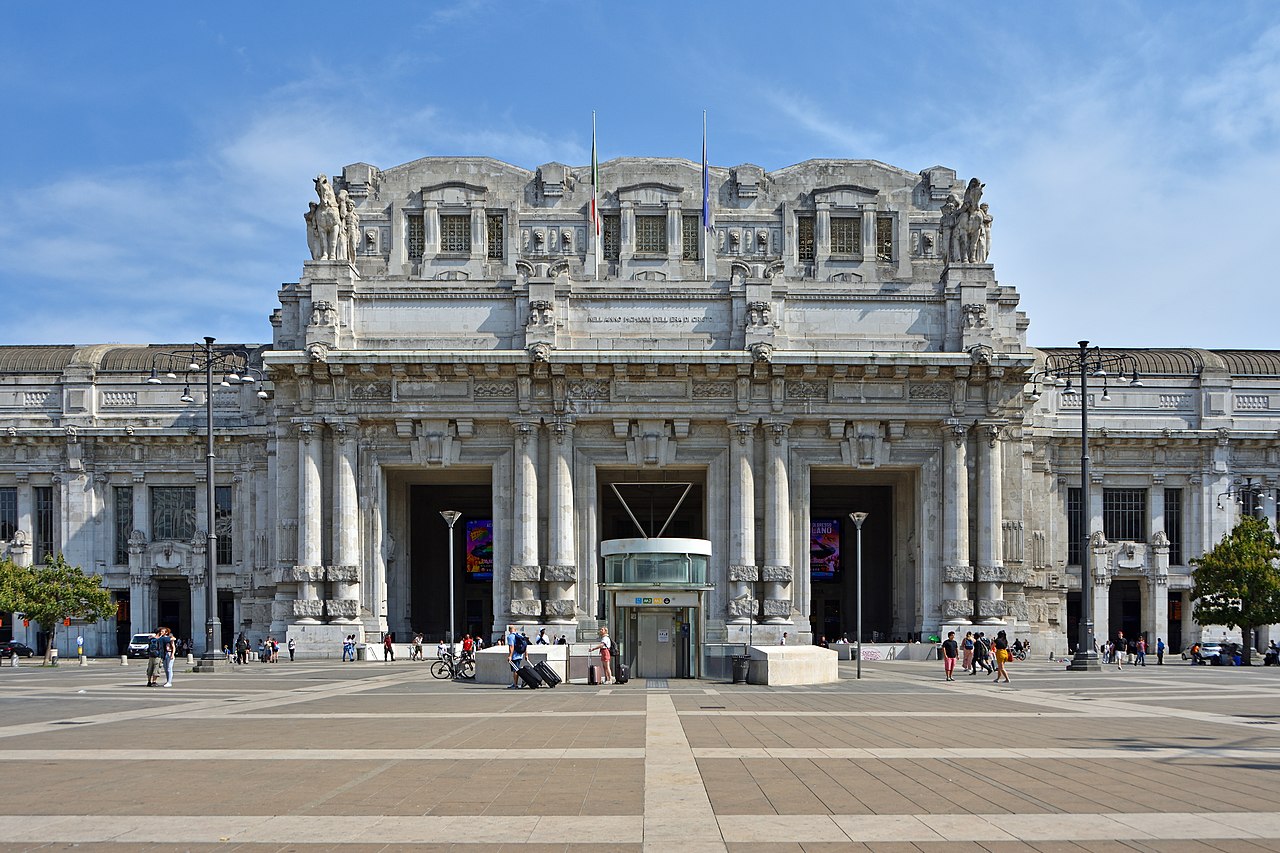
A train station, also known as a railroad station or railway station, is a railway facility where trains stop to load or unload passengers, freight, or both. It generally consists of at least one platform, one track, and a station building providing such ancillary services as ticket sales, waiting rooms, and baggage/freight service. Train stations play a crucial role in the transportation infrastructure of a country, connecting people and goods across different regions. For more information on transportation infrastructure, visit our dedicated page. Train stations are also an important part of a country's rail transportation system, with many stations serving as hubs for commuter rail services.
🗺️ History of Train Stations
The history of train stations dates back to the early 19th century, when the first railways were built in the United Kingdom. The first train station was opened in 1830 in Liverpool, England, and it was a simple structure with a single platform and a small station building. Over time, train stations evolved to become more complex and sophisticated, with the introduction of new technologies and architectural designs. For example, the Grand Central Terminal in New York City is a iconic example of a large and beautiful train station. The history of train stations is closely tied to the development of railway history and the growth of urbanization in many countries.
🏗️ Design and Layout of Train Stations
The design and layout of train stations vary depending on the location, size, and type of station. A typical train station consists of a station building, platforms, tracks, and other ancillary facilities such as waiting rooms, ticket offices, and baggage handling areas. The design of a train station must take into account factors such as passenger flow, safety, and accessibility. For example, the Tokyo Station in Japan is a large and complex station with multiple platforms and tracks, and it is designed to handle a large volume of passengers. Train stations must also be designed to be sustainable and accessible to all users, including those with disabilities.
🚫 Safety and Security at Train Stations
Safety and security are critical concerns at train stations, where large numbers of people gather and trains are in operation. Train stations must be designed and operated to minimize the risk of accidents and incidents, and to ensure the safety and security of passengers and staff. This includes measures such as surveillance cameras, security personnel, and emergency response plans. For example, the New York City Subway system has a comprehensive safety and security plan in place, including emergency response procedures and security protocols. Train stations must also be prepared to respond to natural disasters and other emergencies.
📈 Economic Impact of Train Stations
Train stations have a significant economic impact on the surrounding area, generating revenue and creating jobs. They also play a critical role in the transportation of goods and people, facilitating economic growth and development. For example, the Shanghai South Railway Station in China is a major transportation hub, handling large volumes of passengers and freight. Train stations are also important tourist destinations, attracting visitors from around the world. The economic impact of train stations is closely tied to the development of regional economies and the growth of global trade.
🚂 Types of Train Stations
There are many different types of train stations, ranging from small rural stations to large urban terminals. Each type of station has its own unique characteristics and challenges, and must be designed and operated to meet the needs of its users. For example, the Waterloo Station in London is a large and busy station, with multiple platforms and tracks, while the rural station in a small town may have only one platform and a small station building. Train stations can be categorized into different types, including commuter rail stations, regional rail stations, and high-speed rail stations.
🗺️ Train Station Management and Operations
The management and operation of train stations is a complex task, requiring careful planning and coordination. Train stations must be managed to ensure the safe and efficient movement of passengers and trains, and to provide a high level of customer service. This includes tasks such as scheduling trains, managing passenger flow, and maintaining station facilities. For example, the Amtrak system in the United States has a comprehensive management and operations plan in place, including train scheduling and station maintenance. Train stations must also be managed to minimize their environmental impact and to promote sustainability.
📊 Technology Integration at Train Stations
Technology is playing an increasingly important role in the operation of train stations, with many stations now using advanced technologies such as automated ticketing systems and real-time information systems. These technologies help to improve the efficiency and safety of train stations, and to enhance the passenger experience. For example, the Seoul Station in South Korea has a state-of-the-art automated ticketing system, making it easy for passengers to buy tickets and board trains. Train stations are also using data analytics to improve their operations and to better understand passenger behavior.
🚫 Challenges and Controversies at Train Stations
Despite their importance, train stations are not without their challenges and controversies. Many stations are facing issues such as overcrowding, delays, and security concerns. For example, the New York Penn Station in the United States is facing significant challenges, including overcrowding and infrastructure issues. Train stations must also address social issues such as homelessness and crime. The challenges and controversies facing train stations are closely tied to the development of urban planning and the growth of public transportation.
🌎 Global Train Station Networks
Train stations are an integral part of global transportation networks, connecting people and goods across different regions and countries. Many train stations are now part of large and complex networks, with multiple lines and routes. For example, the European rail network is a vast and complex system, with many different lines and routes. Train stations play a critical role in the development of global trade and the growth of international tourism. The global train station network is closely tied to the development of transportation infrastructure and the growth of globalization.
🚂 Future of Train Stations
The future of train stations is likely to be shaped by advances in technology and changes in passenger behavior. Many train stations are now investing in new technologies such as high-speed rail and automated transportation systems. For example, the Tokyo Maglev line in Japan is a state-of-the-art high-speed rail line, with trains capable of reaching speeds of over 300 km/h. Train stations must also be designed to be sustainable and resilient, with a focus on environmental impact and social responsibility. The future of train stations is closely tied to the development of transportation policy and the growth of urbanization.
Key Facts
- Year
- 1863
- Origin
- London, UK
- Category
- Transportation Infrastructure
- Type
- Infrastructure
Frequently Asked Questions
What is a train station?
A train station, also known as a railroad station or railway station, is a railway facility where trains stop to load or unload passengers, freight, or both. It generally consists of at least one platform, one track, and a station building providing such ancillary services as ticket sales, waiting rooms, and baggage/freight service. For more information on train stations, visit our dedicated page. Train stations play a crucial role in the transportation infrastructure of a country, connecting people and goods across different regions. The design and layout of train stations vary depending on the location, size, and type of station.
What are the different types of train stations?
There are many different types of train stations, ranging from small rural stations to large urban terminals. Each type of station has its own unique characteristics and challenges, and must be designed and operated to meet the needs of its users. For example, the Waterloo Station in London is a large and busy station, with multiple platforms and tracks, while the rural station in a small town may have only one platform and a small station building. Train stations can be categorized into different types, including commuter rail stations, regional rail stations, and high-speed rail stations.
What is the economic impact of train stations?
Train stations have a significant economic impact on the surrounding area, generating revenue and creating jobs. They also play a critical role in the transportation of goods and people, facilitating economic growth and development. For example, the Shanghai South Railway Station in China is a major transportation hub, handling large volumes of passengers and freight. Train stations are also important tourist destinations, attracting visitors from around the world. The economic impact of train stations is closely tied to the development of regional economies and the growth of global trade.
What are the challenges facing train stations?
Despite their importance, train stations are not without their challenges and controversies. Many stations are facing issues such as overcrowding, delays, and security concerns. For example, the New York Penn Station in the United States is facing significant challenges, including overcrowding and infrastructure issues. Train stations must also address social issues such as homelessness and crime. The challenges facing train stations are closely tied to the development of urban planning and the growth of public transportation.
What is the future of train stations?
The future of train stations is likely to be shaped by advances in technology and changes in passenger behavior. Many train stations are now investing in new technologies such as high-speed rail and automated transportation systems. For example, the Tokyo Maglev line in Japan is a state-of-the-art high-speed rail line, with trains capable of reaching speeds of over 300 km/h. Train stations must also be designed to be sustainable and resilient, with a focus on environmental impact and social responsibility. The future of train stations is closely tied to the development of transportation policy and the growth of urbanization.
How are train stations managed and operated?
The management and operation of train stations is a complex task, requiring careful planning and coordination. Train stations must be managed to ensure the safe and efficient movement of passengers and trains, and to provide a high level of customer service. This includes tasks such as scheduling trains, managing passenger flow, and maintaining station facilities. For example, the Amtrak system in the United States has a comprehensive management and operations plan in place, including train scheduling and station maintenance. Train stations must also be managed to minimize their environmental impact and to promote sustainability.
What role do train stations play in global transportation networks?
Train stations are an integral part of global transportation networks, connecting people and goods across different regions and countries. Many train stations are now part of large and complex networks, with multiple lines and routes. For example, the European rail network is a vast and complex system, with many different lines and routes. Train stations play a critical role in the development of global trade and the growth of international tourism. The global train station network is closely tied to the development of transportation infrastructure and the growth of globalization.