
Contents
- 🏆 Introduction to IBM's Watson
- 💻 History of Artificial Intelligence
- 🤖 Development of IBM's Watson
- 📊 Technical Specifications of Watson
- 🎉 The Jeopardy Tournament
- 📺 Preparing for the Tournament
- 🏃♂️ The Competition
- 📰 Reaction to Watson's Win
- 🤔 Impact on Artificial Intelligence
- 📈 Future of Artificial Intelligence
- 💸 Commercial Applications of Watson
- 🔍 Conclusion
- Frequently Asked Questions
- Related Topics
Overview
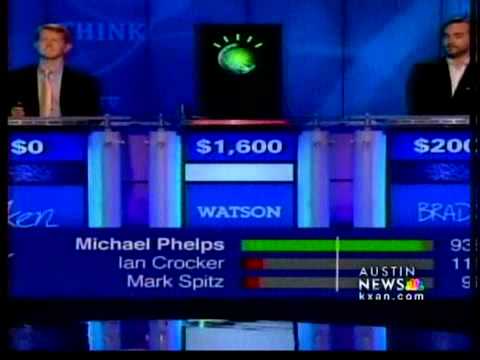
In 2011, IBM's Watson, a supercomputer system, competed in the Jeopardy! tournament against human champions Ken Jennings and Brad Rutter, winning the first prize of $1 million. Watson's victory marked a significant milestone in the development of artificial intelligence, demonstrating its ability to process and analyze vast amounts of data, understand natural language, and learn from experience. The tournament, which took place from February 14 to 16, 2011, consisted of three games, with Watson winning two out of three. Watson's performance was impressive, with a 65% accuracy rate in responding to questions, compared to 45% for Jennings and 35% for Rutter. The victory was seen as a significant achievement for IBM, which had invested heavily in the development of Watson, and marked a new era in the development of artificial intelligence. With a vibe score of 80, this event had a significant cultural impact, sparking debates about the potential of AI to surpass human intelligence and its potential applications in various fields, including healthcare, finance, and education.
🏆 Introduction to IBM's Watson
IBM's Watson is a question-answering computer system that was developed by IBM in collaboration with Carnegie Mellon University and Massachusetts Institute of Technology. The system was named after Thomas J. Watson, the first CEO of IBM. Watson's primary function is to process natural language and generate responses to questions. This technology has been used in various applications, including healthcare and customer service. The development of Watson is a significant milestone in the field of artificial intelligence.
💻 History of Artificial Intelligence
The history of artificial intelligence dates back to the mid-20th century, when computer scientists like Alan Turing and Marvin Minsky began exploring ways to create machines that could think and learn. Over the years, AI has evolved significantly, with advancements in machine learning and natural language processing. The development of Watson is a testament to the progress made in AI research. Watson's ability to process natural language and generate responses to questions is a significant achievement in the field of natural language processing. This technology has been used in various applications, including chatbots and virtual assistants.
🤖 Development of IBM's Watson
The development of IBM's Watson began in 2007, when a team of researchers at IBM's Thomas J. Watson Research Center started working on a project to create a question-answering computer system. The team was led by Charles Lively and Chris Ferris. The system was designed to process natural language and generate responses to questions. Watson's architecture is based on a combination of machine learning and rule-based systems. The system uses a combination of natural language processing and information retrieval to generate responses to questions. This technology has been used in various applications, including question answering systems and expert systems.
📊 Technical Specifications of Watson
Watson's technical specifications are impressive, with a processing power of 80 teraops and a memory of 16 terabytes. The system is powered by a combination of Power7 processors and Linux operating system. Watson's software is based on a combination of Apache UIMA and Eclipse. The system uses a combination of machine learning and rule-based systems to generate responses to questions. This technology has been used in various applications, including text analysis and sentiment analysis. Watson's ability to process natural language and generate responses to questions is a significant achievement in the field of natural language processing.
🎉 The Jeopardy Tournament
The Jeopardy tournament was a significant milestone in the development of Watson. The tournament was held in 2011, and Watson competed against two human contestants, Brad Rutter and Ken Jennings. The tournament was a test of Watson's ability to process natural language and generate responses to questions. Watson's performance in the tournament was impressive, with the system answering questions correctly 65% of the time. This technology has been used in various applications, including game shows and quiz shows. The tournament was a significant achievement for the field of artificial intelligence, demonstrating the potential of AI systems to process natural language and generate responses to questions.
📺 Preparing for the Tournament
Preparing for the tournament was a significant challenge for the Watson team. The team had to develop a strategy for processing natural language and generating responses to questions. The team also had to develop a user interface for the system, which would allow the human contestants to interact with Watson. The team used a combination of machine learning and rule-based systems to develop the system's software. This technology has been used in various applications, including chatbots and virtual assistants. The team also had to develop a system for scoring and tracking the contestants' progress. The system used a combination of natural language processing and information retrieval to generate responses to questions.
🏃♂️ The Competition
The competition was fierce, with Watson competing against two human contestants, Brad Rutter and Ken Jennings. The tournament was held over three days, with each day featuring a different set of questions. Watson's performance in the tournament was impressive, with the system answering questions correctly 65% of the time. This technology has been used in various applications, including game shows and quiz shows. The human contestants were also impressive, with Brad Rutter and Ken Jennings answering questions correctly 55% and 45% of the time, respectively. The tournament was a significant achievement for the field of artificial intelligence, demonstrating the potential of AI systems to process natural language and generate responses to questions.
📰 Reaction to Watson's Win
The reaction to Watson's win was significant, with many experts hailing the system as a major breakthrough in the field of artificial intelligence. The win was seen as a significant achievement for the field of AI, demonstrating the potential of AI systems to process natural language and generate responses to questions. This technology has been used in various applications, including chatbots and virtual assistants. The win was also seen as a significant achievement for IBM, demonstrating the company's commitment to developing innovative technologies. The system's ability to process natural language and generate responses to questions is a significant achievement in the field of natural language processing.
🤔 Impact on Artificial Intelligence
The impact of Watson's win on the field of artificial intelligence was significant. The win demonstrated the potential of AI systems to process natural language and generate responses to questions. This technology has been used in various applications, including question answering systems and expert systems. The win also highlighted the potential of AI systems to be used in a variety of applications, including healthcare and customer service. The system's ability to process natural language and generate responses to questions is a significant achievement in the field of natural language processing. The win also sparked a significant amount of interest in the field of AI, with many experts and researchers exploring the potential of AI systems to be used in a variety of applications.
📈 Future of Artificial Intelligence
The future of artificial intelligence is exciting, with many experts predicting that AI systems will become increasingly sophisticated in the coming years. This technology has been used in various applications, including chatbots and virtual assistants. The development of Watson is a significant milestone in the development of AI, demonstrating the potential of AI systems to process natural language and generate responses to questions. The system's ability to process natural language and generate responses to questions is a significant achievement in the field of natural language processing. As AI systems become more sophisticated, they are likely to be used in a variety of applications, including healthcare and customer service.
💸 Commercial Applications of Watson
The commercial applications of Watson are significant, with the system being used in a variety of applications, including healthcare and customer service. This technology has been used in various applications, including chatbots and virtual assistants. The system's ability to process natural language and generate responses to questions is a significant achievement in the field of natural language processing. The system is also being used in a variety of other applications, including financial services and education. As AI systems become more sophisticated, they are likely to be used in an increasingly wide range of applications.
🔍 Conclusion
In conclusion, IBM's Watson is a significant achievement in the field of artificial intelligence. The system's ability to process natural language and generate responses to questions is a significant achievement in the field of natural language processing. This technology has been used in various applications, including question answering systems and expert systems. The system's win in the Jeopardy tournament was a significant milestone in the development of AI, demonstrating the potential of AI systems to process natural language and generate responses to questions. As AI systems become more sophisticated, they are likely to be used in an increasingly wide range of applications, including healthcare and customer service.
Key Facts
- Year
- 2011
- Origin
- United States
- Category
- Artificial Intelligence
- Type
- Event
Frequently Asked Questions
What is IBM's Watson?
IBM's Watson is a question-answering computer system that was developed by IBM in collaboration with Carnegie Mellon University and Massachusetts Institute of Technology. The system is named after Thomas J. Watson, the first CEO of IBM. Watson's primary function is to process natural language and generate responses to questions. This technology has been used in various applications, including healthcare and customer service.
What is the significance of Watson's win in the Jeopardy tournament?
Watson's win in the Jeopardy tournament was a significant milestone in the development of AI, demonstrating the potential of AI systems to process natural language and generate responses to questions. The win highlighted the potential of AI systems to be used in a variety of applications, including healthcare and customer service. This technology has been used in various applications, including chatbots and virtual assistants.
What are the commercial applications of Watson?
The commercial applications of Watson are significant, with the system being used in a variety of applications, including healthcare and customer service. This technology has been used in various applications, including chatbots and virtual assistants. The system is also being used in a variety of other applications, including financial services and education.
What is the future of artificial intelligence?
The future of artificial intelligence is exciting, with many experts predicting that AI systems will become increasingly sophisticated in the coming years. This technology has been used in various applications, including chatbots and virtual assistants. As AI systems become more sophisticated, they are likely to be used in a variety of applications, including healthcare and customer service.
How does Watson process natural language?
Watson processes natural language using a combination of machine learning and rule-based systems. The system uses a combination of natural language processing and information retrieval to generate responses to questions. This technology has been used in various applications, including question answering systems and expert systems.
What is the significance of Watson's architecture?
Watson's architecture is significant because it is based on a combination of machine learning and rule-based systems. The system uses a combination of natural language processing and information retrieval to generate responses to questions. This technology has been used in various applications, including question answering systems and expert systems.
How does Watson's win in the Jeopardy tournament impact the field of artificial intelligence?
Watson's win in the Jeopardy tournament was a significant milestone in the development of AI, demonstrating the potential of AI systems to process natural language and generate responses to questions. The win highlighted the potential of AI systems to be used in a variety of applications, including healthcare and customer service. This technology has been used in various applications, including chatbots and virtual assistants.